Exposed :How Titan Bank Paid N35b to Acquire N2.6Trillion Union Bank .

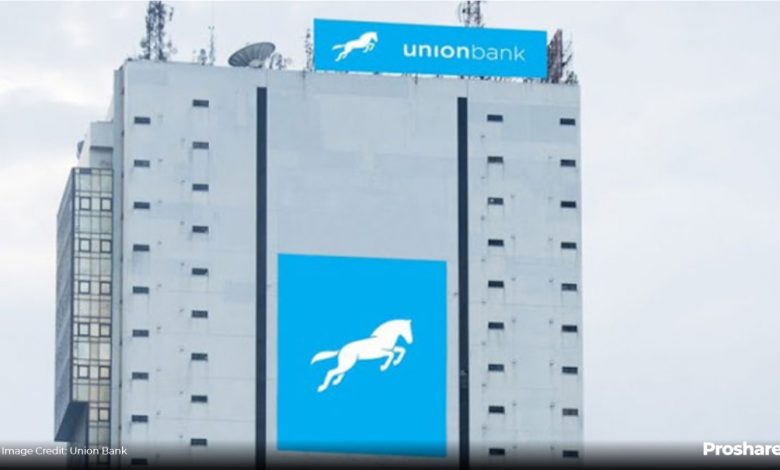
The 2022 acquisition of Union Bank by Titan Trust Bank is now generating heated controversy, with regulators, investors, former shareholders, and the banks themselves facing questions and trading blame over financing, disclosure, and due process. At the time of the deal, Titan Trust was three years old with about ₦35 billion in assets, while Union Bank was 105 years old with a balance sheet above ₦2.6 trillion and systemic exposure across deposits, credit, and payments. The mismatch in scale and capitalization tested existing fit-and-proper and capital adequacy standards, yet the transaction received regulatory approval and closed. Since then, probes and lawsuits have examined the sources of funding, related-party links, and compliance with ownership rules. A recapitalization tied to the takeover is underway while disputes over control and the integrity of the approval process continue.
The mechanics of the takeover strain credulity. Titan Trust was not only younger than most of Union Bank’s branches, it had no track record of running a complex, nationwide franchise. The source of funds for the acquisition was never convincingly explained to the public, and whispers of politically exposed money followed the transaction from day one. When beneficial ownership is murky and the acquirer is dwarfed by the target, a regulator has one job: stop the deal until the fog clears. That did not happen. The approval exposed a pattern that has haunted Nigerian banking for decades. Process exists on paper, but enforcement bends when power and money align. The cost of that bend is now obvious. Two years later, the same regulator that green-lit the sale had to sack the entire board, citing governance failures and threats to stability. If the deal was clean in 2022, what broke by 2024? And if it was not clean, why was it approved at all?
That is the CBN’s role in this saga, and it is not flattering. Oversight is not the ceremony of stamping documents. It is the discipline of continuous, intrusive supervision after a change in control. Between 2022 and 2024, Union Bank’s risk profile changed, its governance structure was reshaped, and its strategic direction was reset by new owners whose capacity was untested. The regulator’s job was to monitor that transition in real time, to audit related-party flows, to stress-test the new capital structure, and to verify that the “new money” was not just old money in a new wrapper. None of that happened publicly or effectively. Instead, the CBN waited until governance rot became a headline, then swung the axe. Decisive, yes. Preventive, no. A regulator that only acts after EFCC files and public outcry is not leading the market. It is chasing it.
The consequence now sits inside Union Bank’s recapitalization debacle. The CBN has set a March 2026 deadline for banks to meet new minimum capital thresholds. For an international bank like Union, that number is ₦500 billion. To raise it, you need investors. To attract investors, you need clarity on who owns the bank today and whether those shares are legally safe. That clarity does not exist. The 2022 sale is under litigation. Law enforcement is probing the funding trail. The same CBN that approved the deal now has to decide if capital raised against disputed equity is valid. If it says yes, it launders the controversy into the bank’s new balance sheet and tells every other investor that Nigeria’s recapitalization is a “no questions asked” exercise. If it says no, it risks pushing Union Bank into a breach, triggering depositor panic and forcing another round of state intervention. That is the corner created by a dirty deal and two years of regulatory hesitation.
The recapitalization impasse also exposes the hollowness of post-consolidation governance. A takeover is not complete when shares change hands. It is complete when systems, culture, and risk management are integrated under credible leadership. Union Bank spent 2022 to 2024 in limbo, with a board that the regulator itself later adjudged unfit. You cannot build a capital plan on a governance vacuum. New money will not cure old rot. It will only scale it. So the bank now faces a double bind. It must raise half a trillion naira while its ownership is in court, its last board was sacked for failure, and its original acquisition is under a cloud of political and criminal allegations. That is not a market problem. It is a regulatory one.
What makes this episode dangerous is precedent. Dozens of banks are now cutting deals to meet the 2026 deadline. If Union Bank’s takeover stands without a full forensic accounting of how it was funded and who truly owns it, the signal is set. Scale can be ignored. Source of funds can be fudged. And if things go bad, the CBN will wait, then fire the board and move on. That is not reform. It is amnesty. The recapitalization drive was meant to create stronger, cleaner banks. It will instead create bigger, protected ones if the Union Bank template is not dismantled.
The way out is unpleasant but simple. First, publish a complete audit of the 2022 change-in-control process, including funding verification and beneficial ownership. Second, ring-fence Union Bank’s recapitalization until courts determine the status of the disputed shares, and require that new capital comes from investors who pass enhanced due diligence. Third, sanction individuals, not just institutions, for governance breaches tied to the takeover and the two years that followed. Boards do not fail by themselves. People fail them.
Until that happens, Union Bank remains a monument to a dirty deal and a timid regulator. The bank is old enough to have seen everything, but it has never seen this: a takeover that may have been financed by the shadows, blessed by the watchdog, and now choking on the very capital it needs to survive. The saga is no longer about one bank. It is about whether Nigeria’s financial oversight means prevention, or just press releases after the fact. Right now, the evidence points to the latter. And the clock to March 2026 is ticking.