
May 25, 2026 Stock Recommendations:Why Analysts Chose Banks and Ditched Consumer Goods

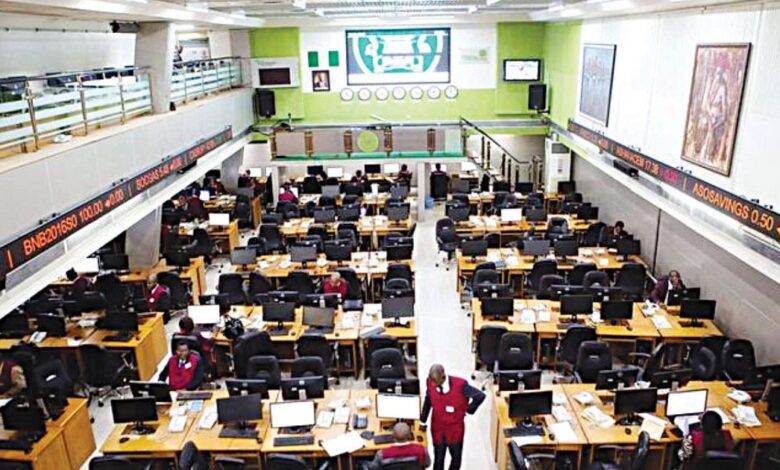
The Nigerian equities market begins the week of May 25, 2026 with a clear split in sentiment. Analyst calls published by Proshare Data show investors are no longer buying the market as a whole. They are choosing favorites. Banking stands out as the consensus pick, consumer goods face renewed pressure, and the rest of the board is being searched for pockets of missed value. The timing sharpens the contrast. Nigeria’s sovereign rating was lifted, S&P Global Ratings followed with upgrades for seven Nigerian banks, and the NGX is set to move to T+1 settlement within days. Those three developments are guiding how capital market operators frame their recommendations, and together they explain why this week’s notes read less like a market-wide view and more like a short list.
The sovereign upgrade changed the risk calculation, and the bank upgrades extended it. When Access Bank, GTBank, UBA, Zenith Bank, Stanbic IBTC, Standard Chartered Bank Nigeria, and Bank of Industry all step up from B- to B, funding costs adjust, foreign partners reassess exposure, and local funds begin to price in more stable earnings. Research desks moved quickly. Lead Capital shifted ACCESSCORP from Hold to Buy. PAC Research went further, lifting ACCESSCORP, FCMB, and UBA to Strong Buy with return projections that show real conviction. Capital Bancorp added FIRSTHOLDCO to its Buy list, while BlueMarina brought coverage back and upgraded FIDELITYBK. The reasoning is straightforward. Recapitalization is on track, credit profiles have improved, and the incoming T+1 system should boost liquidity and trading efficiency. In a market where settlement will soon be quicker and cash can be recycled faster, banks that are liquid, well capitalized, and newly re-rated sit at the core of institutional books.
Even so, the optimism is not unconditional. Capital Bancorp and BlueMarina both trimmed ZENITHBANK to Hold despite the upgrade, and STANBIC saw a similar move. That hesitation is important. It suggests some analysts think the positive news is already reflected in price, or that earnings now need to confirm the rerating. PAC Research’s change on FIRSTHOLDCO from Sell to Hold, rather than a full upgrade, reinforces the point. Coverage teams are separating banks that can convert the new rating and the new settlement cycle into performance from those that may struggle once sentiment alone is not enough. The sector is preferred, but the buying is selective.
Beyond banking the mood shifts. Consumer goods absorbed the week’s strongest downgrades. PAC Research cut DANGSUGAR and GUINNESS to Sell and reversed INTBREW from Buy to Sell. The concern is clear. Margin pressure and valuation are outweighing any macro relief. Consumer companies depend on pricing power and volume, and with households still working through inflation and policy adjustments, analysts are reluctant to assume an easy rebound. Capital Bancorp’s lone upgrade of NASCON is notable precisely because it stands alone. BlueMarina’s decision to return DANGSUGAR, NESTLE, GUINNESS, and UNILEVER to Hold from Under Review looks like administrative catch-up, not a fresh endorsement. Coverage resumes, but conviction does not.
Industrial goods and oil and gas were quiet, and in this tape quiet reads as caution. PAC Research downgraded BUACEMENT to Sell and moved OANDO and JAPAULGOLD from Buy to Hold. Most other houses held their positions, which implies little reason to chase or to cut. In a market rotating toward liquidity and clarity, sectors with heavy assets, long cycles, or less transparent earnings are not the first destination for new flows. The downgrades that did land suggest analysts are managing risk before T+1 tests how fast positions can be changed when news hits.
The more telling shifts came on the margin. Insurance and ICT received upgrades that had little to do with macro headlines and more to do with stock selection. BlueMarina took both AIICO and MANSARD to Buy, and reinstated AIRTELAFRI with a projected upside of 45.6 percent, the boldest call across all sectors this week. These names have been under-owned, and they share a feature that matters under T+1. They are liquid enough to trade, yet not so crowded that building or exiting a position becomes costly. As settlement shortens, portfolios that must manage cash more actively tend to look for mid-cap ideas with clear drivers and room to scale in. The insurance upgrades point to a view that underwriting or investment income is improving faster than the market recognizes. The AIRTELAFRI call reflects a belief that telecom cash flows and dividends can reprice once settlement friction falls.
The NGX’s transition to T+1 runs through every recommendation. Faster settlement should improve efficiency and bring Nigeria closer to global practice, but it also increases the demand for precision. Traders will have less time to correct mistakes, and liquidity will gather in names that can support higher turnover. That is why banking, with its depth and improving fundamentals, is the immediate winner. It is also why analysts are now scanning insurance, ICT, and select industrials for the next group of stocks that can benefit from cleaner settlement and better price discovery. The upgrades are not only about next quarter’s earnings. They are about which securities will work well in a market that clears faster.
The picture from the May 25 calls is a market moving into a stock picker’s phase. The broad lift that followed the sovereign upgrade is giving way to discrimination. Banks are in favor, but not every bank. Consumer goods are being marked down until margins prove durable. Industrials and energy are largely on pause. Insurance and ICT are being re-evaluated as liquidity and value plays. T+1 is more than a technical tweak. It is becoming a screen for what analysts and investors choose to hold. In the weeks ahead, names that pair improving fundamentals with tradability are likely to see inflows, while those leaning on old stories may find less support. This week’s recommendations are the first outline of that new map.