$100 Oil: A Mixed Blessing for Nigeria as Trump’s ‘Economic D-Day’ Pushes Brent Higher

For Nigeria, oil nearing US$100 is both relief and risk. Brent ended last week around US$94 per barrel after President Trump launched what he called an “Economic D-Day” against Iran, threatening “tremendous consequences” for countries trading with Tehran. The immediate effect has been a geopolitical premium across energy markets, not an actual loss of production. With vessel traffic through the Strait of Hormuz down to single digits, VLCC freight rates at exorbitant levels, and Asian LNG at about US$24 per MMBtu, traders are pricing fear into crude rather than scarcity.
That $90+ price level should in theory strengthen Nigeria’s fiscal accounts and FX inflows. Higher crude receipts would ease budget pressure and support oil-linked equities and sovereign instruments. But the benefit is conditional. It depends on whether Nigeria can actually lift and export more barrels, keep terminals running, and avoid the outages that have plagued production. Even if those conditions are met, the upside is partly cancelled out by the downside of expensive oil. Nigeria remains a net importer of refined products, so $100 crude means costlier PMS and diesel, higher transportation costs, and renewed inflationary pressure. Households will feel it at the pump and in food prices even as government revenues get a modest lift. It is the classic oil paradox for Nigeria: good for the treasury, tough for the street.
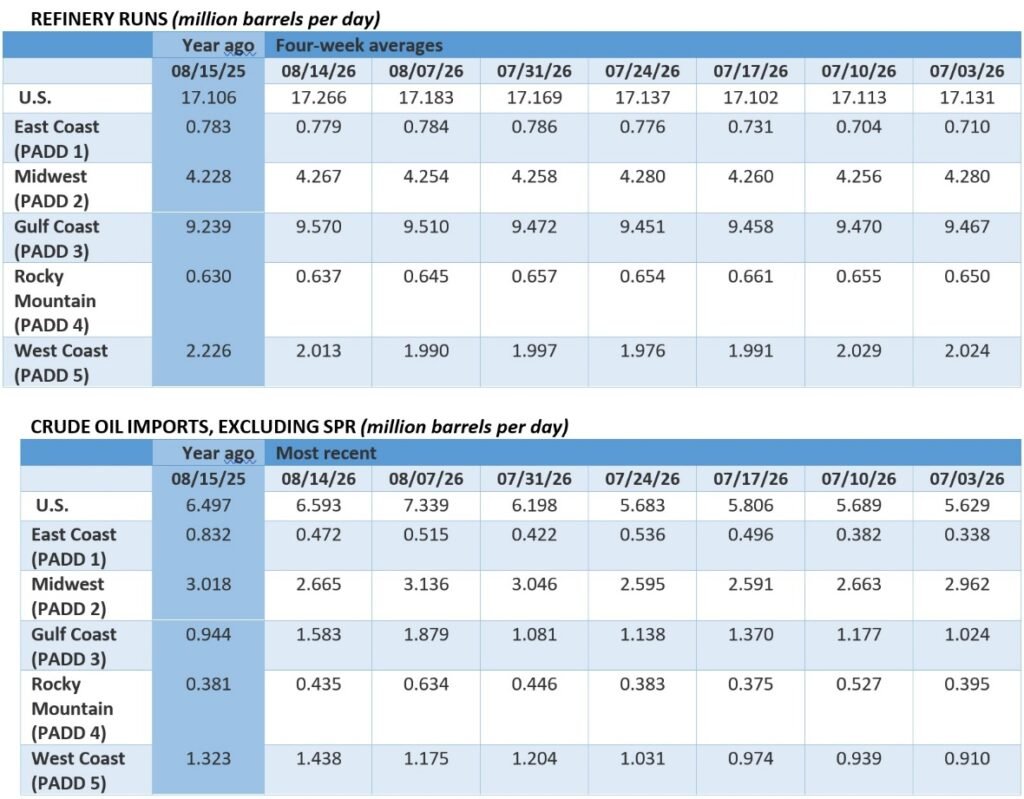
The rally is being driven by rerouted trade, not removed supply. Iraq is already adapting by approving 3-month contracts for alternative export routes to bypass Hormuz and is talking about growing output to 8–10 million b/d in six years, a plan that will test OPEC+ discipline once the geopolitical premium fades. Japan has cut its Middle East risk by raising US crude imports eight-fold to a record 891,000 b/d in July and lifting US LNG by 59%. Iranian oil has flipped from a $3 discount to a $2 premium to Brent after a US maritime blockade drained floating storage, forcing Chinese teapots to buy from Brazil and Iraq instead. Even Venezuela is sending over 500,000 b/d to US refiners. The market is adjusting, but every adjustment adds cost and volatility.
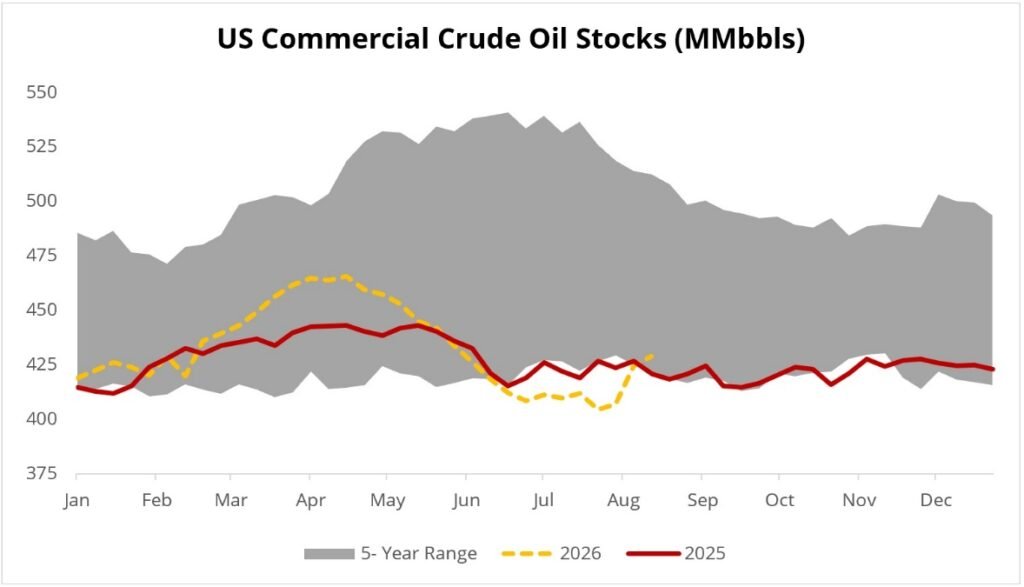
Other pressures are keeping prices elevated. Piracy has resurfaced off Yemen with the seizure of the Sibu-1 tanker, adding to Houthi-related risks. The Panama Canal will cut daily transits to 32 by mid-September after rainfall dropped 44%, threatening delays and higher freight. In Asia, South Korea raised its 2040 power demand forecast by 27GW due to AI and data centers, complicating its coal exit. And palm oil hit a 20-month high on Indonesia’s B50 biodiesel mandate and El Niño droughts, adding to global inflation.
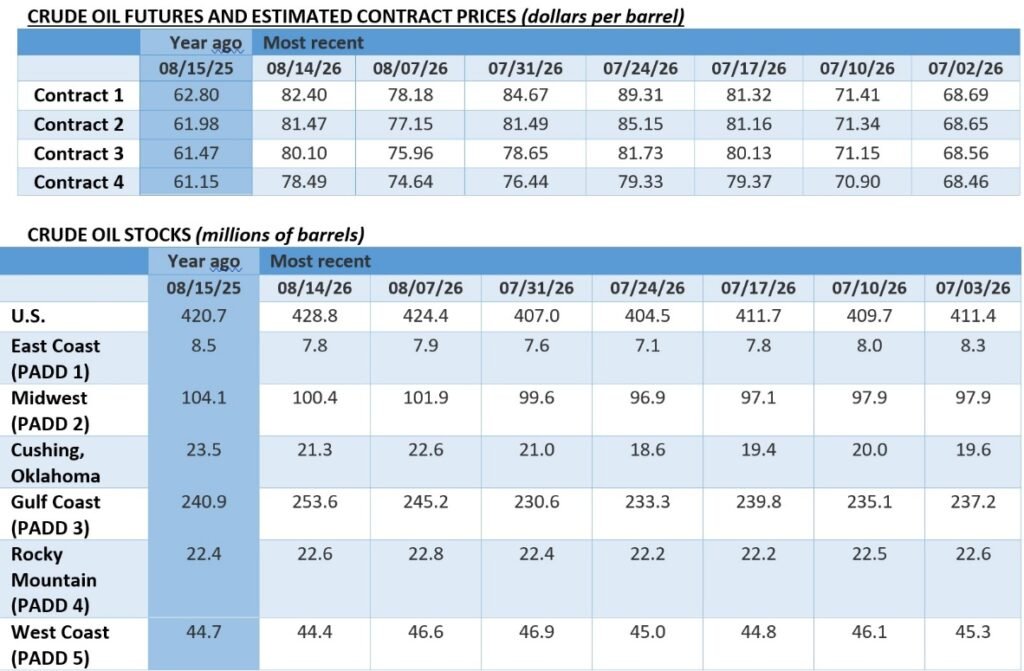
Upstream, Kazakhstan’s Tengiz field is expected to plateau in 2027, Equinor has entered Namibia for the first time since 2017, and Washington committed $500 million to lithium, cobalt and battery recycling to cut dependence on China. In Norway, much of the Barents Sea gas may stay stranded without new export infrastructure.
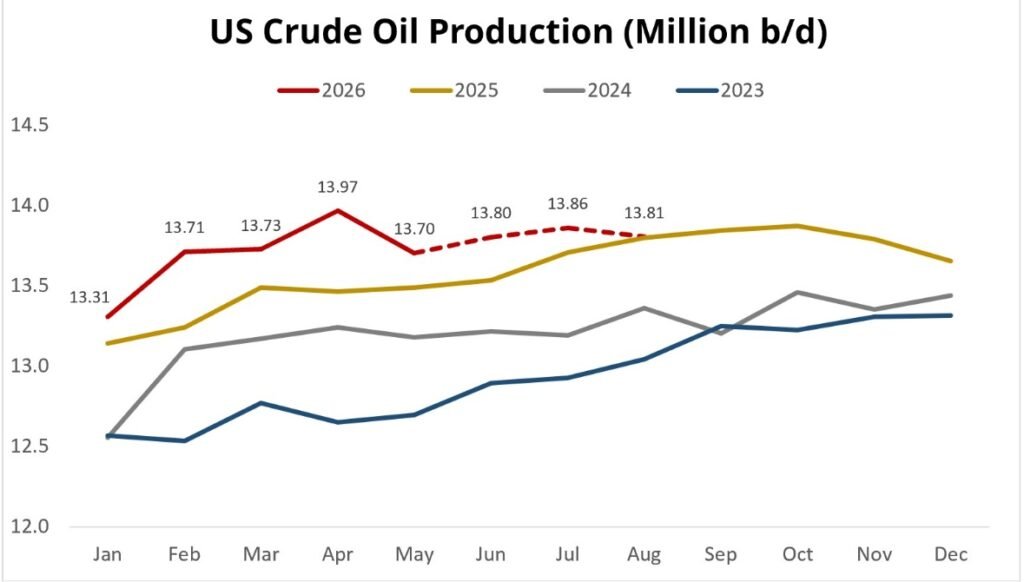
For Nigeria, the takeaway is clear. $100 oil offers short-term fiscal breathing space, but it does not fix structural weaknesses. The rally is premium-driven and vulnerable to any de-escalation in Hormuz, a shift in US Iran enforcement, or OPEC+ messaging. Without a sustained increase in production and reliable export infrastructure, Nigeria cannot fully capture the gains. And because import costs rise with crude, the benefit to government is matched by pain for consumers. Until that balance changes, expensive oil will remain a mixed blessing — a boost to revenues that comes with higher costs for the economy.