
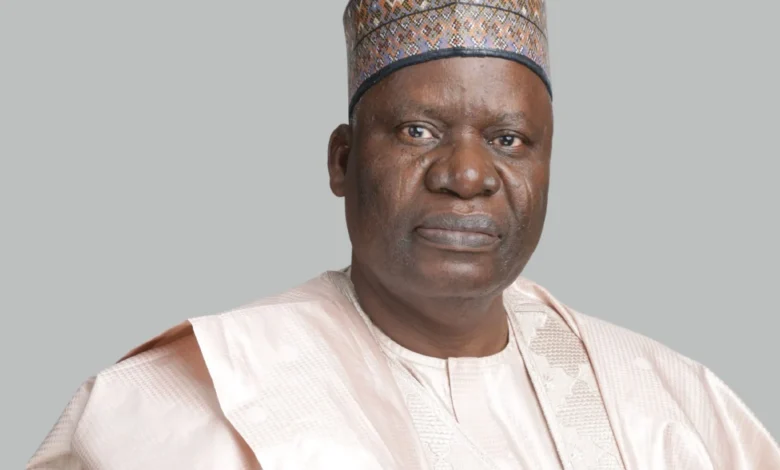
The Memorandum of Understanding between the Federal Ministry of Finance and the Central Bank of Nigeria has been presented by Dr. Suleyman Ndanusa as what it should be: an operating system, not a power grab. That distinction is the entire test of this pact.
Nigeria does not suffer from a shortage of policies. It suffers from what Ndanusa correctly calls a coordination deficit. The Ministry taxes, spends and borrows. The CBN sets the price of money, manages liquidity and defends the external value of the naira. Their mandates are different by law, but their consequences meet in one place: the market woman’s food price, the manufacturer’s cost of credit, the level of the naira, and whether a business survives.
For the last year, that collision has been visible in the data. Broad money supply is at N139.38 trillion, up 16.4% year-on-year, even while the CBN holds the Monetary Policy Rate at 26.50%. Net Domestic Assets are surging while Net Foreign Assets are falling. In plain language, the CBN is trying to mop up liquidity while fiscal operations are injecting it. Monetary policy is tight on paper and loose in practice because fiscal and monetary hands are moving in opposite directions. An MoU cannot fix that by itself, but without it, no fix is possible.
Ndanusa’s central argument is that bilateral coordination between Finance and CBN is necessary but insufficient. This is the critical insight. Inflation in Nigeria has several institutional addresses. The Monetary Policy Committee cannot grow yams. It cannot fix insecurity on farming corridors, fix logistics costs, or generate electricity. Food inflation, which drives headline inflation, is shaped by the Ministries of Agriculture, Transport, Power, Trade and by state governments and security agencies. Imported inflation is shaped by trade policy and port efficiency. If those institutions are not brought into a wider alignment system, the Finance-CBN pact becomes two men agreeing in a room while the rest of the house does something else.
The practical value of the pact, as proposed, is therefore not philosophical. It is operational. It should start with what Ndanusa calls aligning cash, debt and liquidity. Today, FAAC allocations, major revenue receipts, bond auction calendars, debt maturities, and capital releases happen on timelines that often surprise the market and the CBN’s liquidity forecasting desk. When government suddenly releases cash or unexpectedly borrows heavily domestically, banking system liquidity spikes or tightens, forcing the CBN into costly OMO operations or driving interest rates erratically. A common calendar that links the Budget Office’s release schedule, the Debt Management Office’s issuance program, the Accountant-General’s cash plan, and the CBN’s monetary policy calendar would be a low-cost, high-impact win. It would reduce avoidable volatility, lower government borrowing costs, and give banks clarity to lend.
But there is a danger Ndanusa warns against: coordination must not become fiscal dominance by committee. International practice is instructive here. The UK deliberately separated debt management from the Bank of England. New Zealand protects Reserve Bank independence but demands fiscal transparency. South Africa protects SARB independence while mandating consultation. The lesson is that coordination works only when mandates are protected. The CBN’s MPC must retain operational independence to say no to fiscal pressure that threatens price stability. Equally, the Finance Ministry must be held accountable for fiscal outcomes. If the MoU becomes a mechanism to rubber-stamp Ways and Means financing outside the law, it will destroy credibility rather than build it.
That is why Ndanusa’s insistence on a practical operating framework matters. A small technical secretariat anchored in existing institutions, a shared dashboard tracking revenue, expenditure, cash positions, debt issuance, banking liquidity, food prices, FX flows, reserves, and private-sector credit, and quarterly reviews that judge not whether each agency did its task but whether their combined actions produced the intended national result — disinflation, fiscal stability, exchange-rate resilience, productive credit. Without common assumptions, defined responsibilities, escalation procedures when forecasts diverge, and public reporting, the MoU will remain a press release.
The final test is public accountability. The authorities should publish the MoU or a detailed implementation note. Ways and Means must be kept within its legal limit, reported transparently, and subject to enforceable repayment. Fiscal risks, guarantees, and contingent liabilities must be disclosed. Nigerians need to see whether public money is being converted into public value.
Dr. Ndanusa’s piece frames the pact as a credible beginning, not a solution. He is right. Nigeria’s problem has never been that the Finance Ministry and CBN do not talk. It is that their decisions, and the decisions of the DMO, NBS, Budget Office, revenue agencies, sector ministries and states, have not been forced to reinforce a single outcome at the same time. The N139 trillion money supply, the 26.5% policy rate, the $54 billion reserves, and the crowding out of private credit are all symptoms of that deeper misalignment.
The MoU puts the two most important hands on the same table. Whether they pull in the same direction, and whether the rest of the economic body follows, will determine if this pact actually lowers food prices, lowers credit costs, and stabilizes the naira — or simply adds another document to Nigeria’s long archive of good intentions.