Nigeria’s 2026 Fiscal Deficit Outlook:Why Cheaper Borrowing Cannot Hide Nigeria’s 5.3% Fiscal Deficit Problem

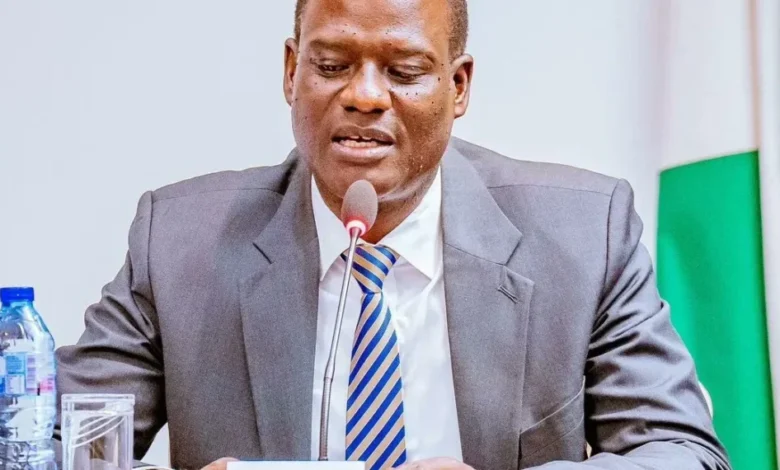
Nigeria’s 2026 fiscal deficit outlook has become a study in contradictions between political messaging and budget arithmetic, and CSL Research’s review on October 26th lays this out clearly. The Minister of Finance, Taiwo Oyedele, told Bloomberg last week that the government expects the deficit to come in below the original 4.2% of GDP budgeted for 2026, citing stronger than anticipated revenues and lower borrowing costs as the drivers. Yet the revised fiscal budget published in March, which already incorporated expectations of higher revenues, moved in the opposite direction, setting the deficit at around 5.3% of GDP, well above the original target. The reason, as CSL points out, is that authorities did not use the revenue gains to narrow the gap; instead they raised planned spending by more than the projected revenue increase, effectively spending the windfall and more. This single decision raises the fundamental question about fiscal consolidation, because if higher revenues were already budgeted and then outspent, there is limited scope for the deficit to fall back below 4.2% unless government deliberately under-executes both capital and recurrent expenditure that it has just approved.
That prospect of under-execution is made even more unlikely by the political cycle. With 2027 general elections approaching, 2026 is a pre-election year where fiscal slippages historically accelerate rather than slow, as spending pressures mount to fund projects and political commitments. CSL therefore sees the deficit staying on an upward trajectory rather than downward, a view reinforced by its revenue analysis. While non-oil revenue is expected to improve, the firm maintains that retained fiscal oil revenues could undershoot budget expectations by approximately 49.1%, despite strong gains in crude oil prices this year. The shortfall is not about price but about structure, because currency appreciation reduces the naira value of each dollar earned from oil, and weaker than budgeted oil production means fewer barrels are available to sell in the first place, and these two factors together offset the benefit of high prices. The improvement in non-oil collection, though welcome, is unlikely to be large enough to close a near fifty percent miss in oil, leaving a full year fiscal deficit around 5.3% of GDP as the more credible estimate.
The financing side offers some relief but not a solution, which is where the distinction between the cost of borrowing and the size of borrowing becomes critical. The Central Bank’s recent decision to cut its benchmark policy rate, and any further cuts that follow, should filter through to lower yields on government securities over the next two months, moderating near term financing pressures and easing debt service. This is positive for cash flow, but it does not change the underlying borrowing requirement embedded in a 5.3% deficit budget. Lower rates make a large deficit cheaper to carry, they do not make it smaller, and as CSL notes, sustained deficit reduction will depend on revenue mobilisation, expenditure discipline and transparent fiscal reporting, not on cheaper debt alone.
That transparency point may be the most worrying, because Nigeria’s fiscal trajectory is currently difficult to assess with precision due to the absence of timely publication of budget implementation data. This opacity was underscored by the recent dispute over debt sustainability, after authorities contended that the World Bank overstated interest payments and understated revenue figures, pushing back against the Bank’s conclusion that first half interest payments exceeded federal government revenue by 24%. When government and multilateral institutions cannot agree on basic figures like how much was earned and how much was paid in interest, investors are left without a credible anchor. In that context, the Minister’s expectation of a sub 4.2% deficit would require either a dramatic under execution of the expanded revised budget or an exceptional over performance in non-oil revenue to cover the oil shortfall, neither of which is supported by current production trends, currency dynamics or election year spending incentives.