Nigerian Breweries: Stronger Balance Sheet, Tighter Margins

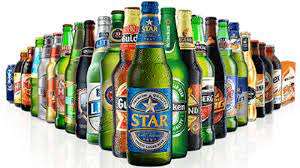
For Nigerian Breweries Plc, the first half of 2026 reads like a story of two forces pulling in opposite directions. On one side is a company that has finally cleaned up its balance sheet, generated real cash, and returned to retained earnings. On the other side is a business still being squeezed by inflation, tax, and a consumer that is spending more cautiously. The unaudited results for the six months ended 30th June 2026 show that strengths and opportunities are real, but they are being constantly tested by weaknesses and threats that are embedded in Nigeria’s operating environment.
The headline numbers look solid. Revenue rose 8.9% to ₦803.68bn. Gross profit climbed 14.1% to ₦354.86bn, pushing gross margin up from 42.1% to 44.1%. Operating profit grew 7.9% to ₦163.97bn and profit after tax was up 5.1% to ₦92.95bn. Earnings per share moved to 300 kobo from 285 kobo a year earlier.
More importantly, the balance sheet tells a turnaround story. Total equity jumped 15.3% to ₦645.86bn, with retained earnings moving from a deficit of ₦72.17bn in December 2025 to a positive ₦13.65bn. All loans and borrowings of ₦59.71bn were repaid, which drove net finance costs down 61.1% to ₦7.65bn. Cash from operations exploded to ₦111.07bn from ₦7.18bn, giving the company ₦80.58bn in free cash flow compared to a negative position last year. For a business that spent the last two years managing debt and FX losses, this is a material reset.
But the same results show how quickly strengths can be eroded when weaknesses meet threats.
The first pressure point is cost. While revenue grew 8.9%, selling and distribution expenses grew 22.1% to ₦159.62bn. Administrative expenses rose 11.1%. Cost of sales was also up 5.1%. This is the direct impact of inflation on logistics, energy, packaging and marketing. The company’s ability to grow gross margin shows pricing power, but it cannot fully pass through these costs without hurting volume. The opportunity to expand margins is therefore being capped by an operating environment where every naira of revenue now costs more to deliver.
The second pressure point is the consumer and the state. Income tax expense jumped 44.6% to ₦63.37bn, lifting the effective tax rate from 33.1% to 40.5%. In a period where disposable income is under pressure, higher taxes and excise duties make beer a more expensive choice. This feeds directly into the threat of down-trading. Consumers may shift from premium brands to value brands, or out of beer entirely. That limits the opportunity NB has to premiumize and to convert its strong brand equity into higher-margin growth. The company can invest in new products, but demand elasticity in this economy means volume growth will remain fragile.
Working capital tells the third part of the story. Trade and other receivables nearly doubled to ₦135.36bn from ₦69.40bn in six months. At the same time, the company recorded a ₦1.41bn charge for expected credit losses. This reflects two things: a push to keep distributors stocked in a tough market, and rising credit risk as retailers and wholesalers also feel the squeeze. The strength of strong cash generation is therefore partially offset by cash being tied up in the market. The opportunity to deploy that ₦80bn free cash flow into growth is reduced when a large portion is sitting in receivables.
Even the balance sheet strength comes with a caveat. The repayment of all debt and the sharp drop in finance costs is a genuine win. It gives NB flexibility that it did not have 12 months ago. But the benefit is muted by the macro. With FX gains collapsing from ₦1.24bn to ₦0.11bn, the era of easy forex-related relief is over. Capex was flat at ₦30.34bn, suggesting caution about expansion until demand visibility improves. The strength of a clean balance sheet is there, but the threat of persistent inflation and regulatory risk means management cannot deploy it aggressively.
This is the critical tension in NB’s H1 2026. The company has done what it can control: it cut debt, improved cash conversion, protected gross margin, and restored equity. Those are real strengths and they open real opportunities for investment, dividends, and market share gains.
However, the things it cannot control — inflation in distribution, a 40% tax rate, weakening consumer purchasing power, and rising credit risk — are directly eating into those gains. Revenue growth is slower than cost growth. Profit growth of 5.1% lags operating profit growth of 7.9% because tax takes more. Cash is strong, but more of it is stuck in the market.
Nigerian Breweries has moved from a defensive posture to one of cautious strength. The deleveraging gives it options. But until inflation cools, until tax policy stabilizes, and until consumer demand recovers, those options will be used to manage risk more than to chase growth.
The results show a company that is healthier. They also show a company operating in an economy where being healthier does not automatically translate into being faster. For now, NB’s biggest opportunity is to protect what it has gained. Its biggest threat is that the environment will demand that it spends those gains just to stand still.