‘Don’t Do It, It’s Regressive’ – IMF Warns Nigeria Against Restoring Petrol Subsidy

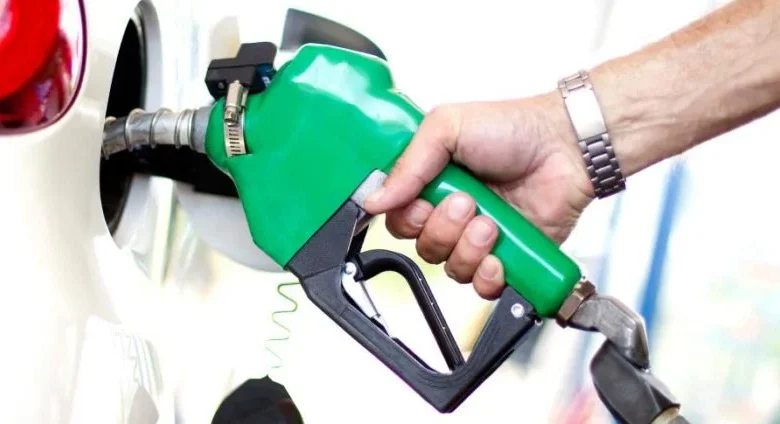
The International Monetary Fund has cautioned the Federal Government against any plan to bring back blanket petrol subsidy, insisting that the policy is costly, regressive and unsustainable for public finances.
The warning was given by the Director of the IMF’s Fiscal Affairs Department, Rodrigo Valdés, during a press briefing on the Fiscal Monitor at the 2026 Annual Meetings of the IMF and World Bank in Bangkok, Thailand, on Wednesday.
Valdés was responding to questions on the hardship caused by higher energy prices in Nigeria, where rising petrol prices have pushed up transport costs and inflation, and revived calls for subsidy restoration ahead of the 2027 general elections.
According to him, shielding citizens from hardship should not mean keeping fuel prices artificially low for everyone.
“Protecting people is not the same as protecting the price of fuels,” Valdés said.
He disclosed that countries that prevented energy prices from adjusting to supply shocks spent between 1 and 1.5 per cent of their Gross Domestic Product on subsidies in 2026 alone.
Valdés stressed that fuel subsidies largely benefit the rich who consume more, while draining resources that could be used for targeted help for the poor.
“It’s first fiscally very costly, and second, if you look at the pattern of consumption, it’s easy to see that that subsidy is readily regressive in many places,” he said.
The IMF position comes as the Federal Government announced a 30-day petrol discount at NNPC retail stations, targeted mainly at public transport operators.
The Minister of Finance, Taiwo Oyedele, had explained that NNPC Retail would sell at cost by forgoing its profit margin, describing it as temporary relief and not a return to full subsidy. Government also proposed a N1,350 per litre ceiling on ex-gantry or landing cost, subject to monthly review.
On alternatives to blanket subsidy, the Fund advised Nigeria to channel resources into direct, targeted support.
Davide Furceri, a Division Chief in the Fiscal Affairs Department, said rather than subsidising petrol for all, government could subsidise bus fares, school feeding programmes, and provide geographically targeted support for vulnerable households and smallholder farmers.
“For example, you mentioned transportation costs. Yeah, gasoline could go up, and perhaps bus fees may be subsidised in a way that is a much better policy at the end of the day than just a blanket subsidy for everybody,” Furceri said.
He admitted that Nigeria and similar countries may lack comprehensive social registers and digital payment systems to perfectly target the poor, but said interim measures could be adopted while stronger systems are built. He stressed that any intervention must be limited, targeted and temporary.
Valdés further warned that keeping fuel prices low when global supply is tight only worsens the problem, as it encourages higher consumption and forces global prices even higher.
“When you subsidise, you don’t allow, at the end of the day, demand to adjust,” he said. “And reality is that we have less fuels in the world economy. That means that someone else has to adjust more, and the market produces a higher price for that.”
In essence, the IMF is urging Nigeria to resist populist pressure to return to broad petrol subsidies and instead strengthen social protection programmes that directly reach vulnerable Nigerians, while allowing market prices to reflect scarcity.