
Nigerian Breweries just had its best 6 months in a long time. Debt is gone. Cash is back. Profit is up. And the reason is simple: Nigerians still buy the brands they grew up with.
The company is basically running on 3 types of products right now, and the H1 2026 numbers show both how strong that is, and where the problem is hiding.
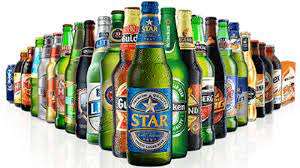
First, there are the old workhorses — Star and Gulder. These are the brands in every bar, at every party, on every billboard for 50 years. They don’t need to grow fast anymore. People already know them. But they make money every single day. That’s why NB could raise prices even when diesel and transport got more expensive, and still sell. It’s why the company pulled in ₦111bn in cash and used it to pay off all ₦59bn in debt. Gross margin even improved. When a brand is that trusted, people don’t switch just because things are tough. Star and Gulder paid the bills, funded the turnaround, and gave management breathing space. That’s real power.
Second, there are the premium brands — Heineken and Goldberg. These are the ones doing well in cities where people still want to “treat themselves”. They cost more, so they bring in better profit per bottle. That’s a big reason margin went up to 44%. Banks also like lending to a company that owns Heineken because it looks stable and global. NB is still spending to keep these brands visible because they are the future. Today they make good money. Tomorrow they could be as big as Star. That’s why the company protects them.
But here’s where it gets tricky. There’s a third group missing: the new bets. In a tough economy people start to change. Some drink less alcohol. Some switch to malt or soft drinks. Some down-trade to cheaper beer. Smart companies have new products ready to catch those people. For NB, that should be things like Maltina, non-alcoholic drinks, or a cheaper beer brand.
The problem is, the numbers don’t show much happening there. Spending on new products looks flat. Intangible assets are down. The ₦80bn in free cash went to pay old debt, not to build new brands. Meanwhile receivables doubled because NB had to give distributors more credit just to keep Star on the shelves. And with a 40% tax rate, the government is taking a bigger cut precisely because these big brands are so visible.
That leaves a lot of small, slow brands still in the portfolio too — old SKUs and regional drinks that don’t sell much but still cost money to distribute. With fuel and logistics up 22%, every extra product in the truck hurts.
So the interpretation is this: Nigerian Breweries is proof that a strong name can save a company. Star and Gulder gave it cash. Heineken and Goldberg gave it profit. That brand equity is why NB survived inflation, debt, and FX losses.
But brand equity is not a growth plan. It protects what you already have. It doesn’t create what you’ll need in 3 years. Right now NB is asking the same few brands to do everything: pay debt, pay tax, pay for distribution, and keep growing. That works for a while. It won’t work forever.
The real test for NB is not whether Star will sell next quarter. It will. The test is whether the company uses the money from Star today to build the “next Star” — in malt, in non-alcoholic, in affordable beer — before consumers move on and the government takes even more.
A big name can carry you out of trouble. Nigerian Breweries just proved that. But it takes new names to carry you into the future.