
A FAAC-Adjusted Look at Three Governors
The popular verdict in Osun today is that Governor Ademola Adeleke is “working.” Roads are being dualized, flyovers are rising, arrears are being cleared, and salaries no longer skip months. Compared to the quiet years of Oyetola and the painful half-salary era of Aregbesola, the contrast feels stark. But that verdict ignores the one variable no governor controls: the size of Abuja’s monthly cheque.
If we strip away the politics and adjust for FAAC, the story changes. When Adeleke’s performance is measured against the fiscal climate he inherited, compared to what his two predecessors faced, the claim of exceptionalism weakens. He may be doing well, but he is not necessarily doing better. He is doing what the allocation allows.
Three Governors, Three FAAC Climates
Aregbesola: Building in a Boom, Bleeding in a Bust
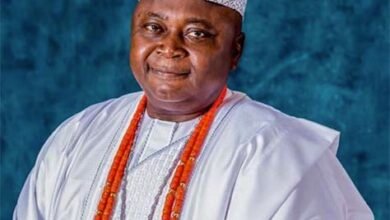
Aregbesola governed two different Osuns. In his early years, oil prices were high and FAAC was expansive. That was the Osun of mega schools, tablet computers for students, dualized highways, and an airport project. The state felt ambitious because the revenue could carry ambition. The civil service expanded, projects were awarded, and debt was taken on the assumption that the inflow would continue. Then the climate changed. Oil crashed, FAAC thinned out, and debt service remained. The same administration that commissioned projects was now negotiating half-salaries. For years, governance was reduced to managing arrears and public anger. The civil service, once an implementation tool, became a protest bloc. The governor’s performance did not collapse because his competence vanished. It collapsed because FAAC did. In high-FAAC years, Aregbesola was a builder. In low-FAAC years, he was blamed for a math problem Abuja created. Judged against his boom-era allocation, his output was significant. Judged against his bust-era allocation, survival was the only output possible.
Oyetola: Stability as the Only Option
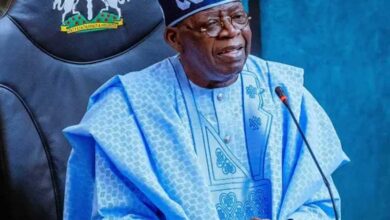
Oyetola inherited the bust. Throughout his tenure, FAAC remained lean, and Covid-19 made it leaner. With inherited debt already consuming a large chunk of monthly inflow, there was no fiscal space for expansion. He chose the only path the numbers permitted: no new loans, full salaries, timely pensions, and maintenance-level governance. Critics called it stagnation. In FAAC-adjusted terms, it was solvency. He paid workers in full when his predecessor could not, and he avoided new debt when the state could not carry it. There were no flyovers, but there were also no wage riots. The civil service, traumatized by half-pay, settled for predictability. Its influence was defensive: “don’t touch our salaries and we won’t shut down the state.” Oyetola could not reform, recruit at scale, or build big because the allocation ceiling was too low. He governed a state on life support and kept it breathing. Measured against his FAAC reality, that was performance. Measured against Adeleke’s FAAC reality, it looks like underperformance. But the two never operated in the same fiscal season.
Adeleke: Spending in a Surplus
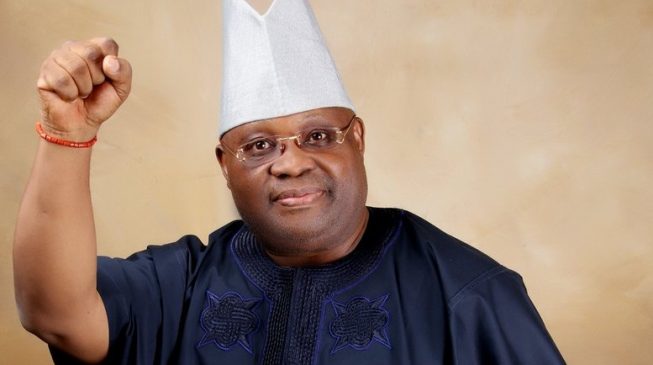
Adeleke took office just as the FAAC climate shifted. Subsidy removal and naira devaluation from 2023 onward expanded nominal allocations to all states. Osun’s monthly cheque grew significantly compared to what Oyetola and post-2014 Aregbesola ever saw. With that oxygen, the impossible became routine. Arrears dating back years are being cleared. Promotions are cash-backed. Teachers are being hired. The “Infra Plan” has put equipment on roads in Osogbo, flyovers in Ilesa, and fresh asphalt in Ede and Iwo. The civil service, once a veto player, is now a partner because there is finally enough money to meet its demands and fund projects together.
But this is the point: Adeleke is doing what Aregbesola did in his boom years and what Oyetola could not do in his lean years. He is paying salaries and building at the same time because, for the first time since 2014, a governor has the fiscal room to do both. If you remove the FAAC advantage, the gap between him and his predecessors narrows. If you gave Oyetola the same allocation, his tenure would look different. If you gave late-era Aregbesola the same inflow, half-salary would never have happened.
The FAAC-Adjusted Verdict
When you compare raw output — roads, payments, recruitments — Adeleke leads. When you compare output relative to FAAC, the lead disappears. Aregbesola delivered heavily in his high-FAAC years and was crippled in his low-FAAC years. Oyetola delivered stability in a low-FAAC era when stability was the maximum outcome. Adeleke is delivering projects in a high-FAAC era when projects are the expected outcome. So is Adeleke fantastic? He is fortunate. His advantage is real, but it is external. The true test of governing skill is not spending when allocation is high. It is surviving when allocation is low without returning the state to wage crisis. Aregbesola failed that test. Oyetola passed it by attempting little else. Adeleke has not taken that test yet.
The Bottom Line
In Osun, we judge men, but we should be judging allocations. FAAC is the climate. Governors are just tenants. Adeleke enjoys the penthouse today because the rent is paid. His predecessors were evicted when it wasn’t. That is not a difference in talent. It is a difference in weather. Until Osun builds revenue independence and the wage bill stops dictating policy, every governor’s performance will rise and fall with Abuja’s cheque. Adjust for FAAC, and Adeleke may not be adjudged fantastic. He may simply be adjudged funded.