In Osun, we judge governors by roads, salaries, and schools. But none of those are built in Abeere. They’re built in Abuja, on the 20th of every month, when FAAC wires Osun its share of oil and tax revenue. FAAC isn’t a line item. It’s the atmosphere. It decides whether a governor is a reformer or a firefighter, a builder or a debtor. Change the FAAC volume, and you change the verdict on performance.The Interpretative Cut: FAAC as the Real Governor
Strip away the manifestos and this remains: FAAC sets the agenda, defines what’s possible, and determines how civil servants behave. When FAAC is high, the governor becomes a builder. The civil service becomes an implementer. Debt looks strategic. Politics becomes “who gets what project.” Aregbesola 2011-2014 and Adeleke 2023-2025 prove it. When FAAC is low, the governor becomes an accountant. The civil service becomes a pressure group. Debt looks reckless. Politics becomes “who gets paid.” Aregbesola 2015-2018 and Oyetola’s entire tenure prove it. When FAAC crashes, the governor becomes a scapegoat. The civil service becomes a kingmaker. Half-salary turned unions into the opposition that decided 2018. No good intention survives a ₦1.9bn allocation against a ₦3bn wage bill.Aregbesola: One Man, Two Osuns
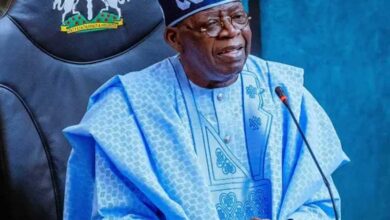
Rauf Aregbesola governed two different states. From 2010 to mid-2014, FAAC ran ₦4bn-₦5bn monthly. Oil topped $100. Debt was cheap. That was the Osun of mega schools, Opon Imo tablets, dualized roads, and an airport dream. He looked like a transformer. Then oil crashed. By 2016 FAAC fell to ₦1.8bn-₦2.5bn, while boom-era loan deductions gulped over ₦1bn. The same man who commissioned flyovers was rationing half-salaries. For 30 months the state ran on arrears and anger. NLC became the opposition. Pensioners blocked roads. “Transformer” gave way to “debtor.” Same ideas, different FAAC. Austerity didn’t just empty the treasury. It rewired politics and handed civil servants veto power over any governor who couldn’t pay.Oyetola: Governing in a Straitjacket
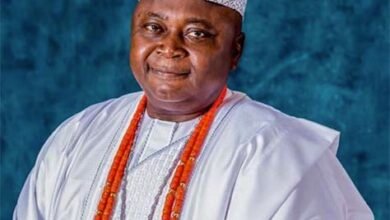
Gboyega Oyetola inherited that austerity. From 2018 to 2022, FAAC sat between ₦2.5bn-₦3.8bn. Covid briefly dragged it below ₦2bn. Inherited debt service took ₦1.2bn monthly off the top. After salaries and deductions, nothing was left to govern with. So he chose survival. No new loans. No grand projects. Full salaries, timely pensions, quiet audits. Praised for stability, mocked for stagnation — but stability was all FAAC could buy. The civil service, traumatized by half-salary, cut a deal: “Pay us in full and we won’t shut you down.” Their influence was defensive. They couldn’t demand expansion because the money wasn’t there. He couldn’t demand reform because he needed peace. FAAC set the ceiling, and the ceiling was low.Adeleke: The Return of Fiscal Oxygen
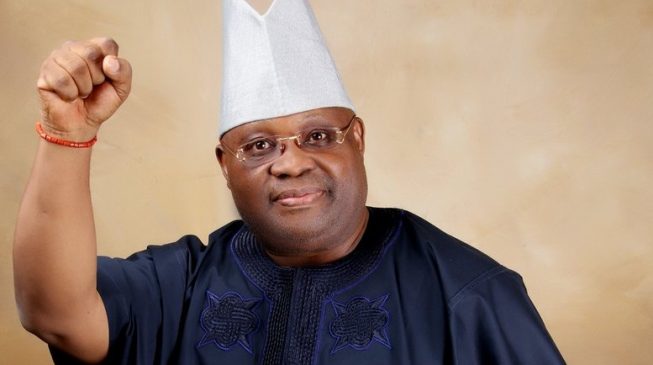
Ademola Adeleke took office in November 2022 into a different climate. Subsidy removal and naira devaluation from mid-2023 doubled nominal FAAC. Osun jumped from ~₦3.5bn to ₦6bn-₦8bn monthly by 2024-2025. For the first time since 2014, a governor had headroom. The results track the inflow. Arrears that defined two elections are being cleared. Promotions are cash-backed. Teachers are being recruited. The Infra Plan — 90km of roads, five flyovers, school and health renovations — is rising across Osogbo, Ede, Iwo, and Ilesa. The same civil service that vetoed Aregbesola and constrained Oyetola is now a partner, because there’s finally money for demands and projects. Adeleke looks more “active” than Oyetola because he has 2x the fiscal space. He looks more “stable” than late-era Aregbesola because he isn’t choosing between salaries and projects. FAAC turned the impossible into the routine.The Danger of the Cheque
This dependence means Osun hasn’t had three different governments. It has had one government responding to three FAAC regimes. Performance ratings are often just oil-price ratings with a human face. That breeds a dangerous illusion: that changing personality changes outcomes. It doesn’t. Not until IGR moves from ₦3bn to ₦10bn monthly, or the wage bill stops consuming 60% of expenditure. Adeleke’s advantage is real, but external. The test isn’t building when FAAC is ₦8bn. The test is surviving when FAAC is ₦3bn without returning to half-salary. Aregbesola failed that test. Oyetola passed by refusing to attempt anything else. Adeleke hasn’t sat the exam.Bottom Line
In Osun, we debate men but we live under a number — the FAAC number. It explains why the same civil service that ground one administration to a halt cheers another. It explains why “performance” spikes and dips with oil receipts. The most important reform isn’t a road or a flyover. It’s revenue independence. Until Abuja’s cheque stops being destiny, every governor is just a tenant in a house FAAC built. The incumbent enjoys the penthouse because the rent was paid. His predecessors were evicted when it wasn’t. That is not governance. That is weather. And in Osun, FAAC is the climate