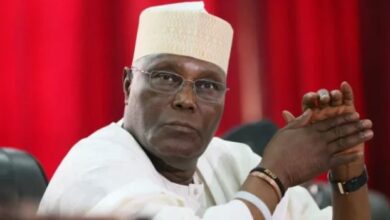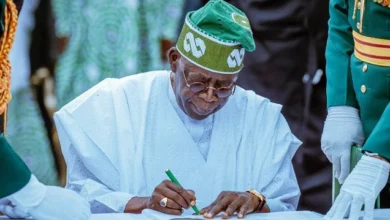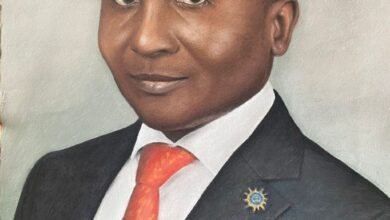
Every election season in Nigeria feels like the economy suddenly wakes up. Buses are chartered, hotels are fully booked, printers work overtime, data and airtime sales jump, and even small traders see more customers. That’s the “hidden GDP” Dr. Ndanusa talked about — all the temporary money that moves around campaigns but rarely gets counted in our normal growth figures. Tanimu Yakubu Kurfi’s rejoinder agrees that this activity is real, but argues we shouldn’t stop there. The more important question is what that money is trying to buy, and what the country owes after the votes are counted.
For Kurfi, campaign spending is not just spending. It’s investment. Sometimes it’s a straightforward one. People donate because they believe in a party’s ideas, or because they want stable policies, or because they want to support civic participation. That kind of financing is part of healthy democracy. But there’s another kind, and it’s driven by expectations. In a system where government controls contracts, licences, appointments, tax decisions, and regulatory approvals, getting close to power has real economic value. So individuals and businesses put money into campaigns hoping for access later. A contribution today can become preferential treatment tomorrow. When that expectation is strong, political financing starts to look like a portfolio of bets on the state.
That creates three problems ordinary citizens can feel. First, capital gets pulled away from production. If a company learns that knowing the right person pays more than building a better product, it will choose connections over innovation. Other firms copy that strategy, and slowly the economy rewards political proximity more than competitiveness. Second, the election boom is mostly short-lived. Yes, drivers, caterers, consultants, and vendors earn during campaigns. But that income fades as soon as elections end, and it doesn’t leave behind factories, skills, or infrastructure. Kurfi distinguishes this from a “productivity multiplier.” Real growth comes when money builds things that keep producing. Election money mostly just circulates. If it comes from savings that could have funded businesses, or from public funds that should have gone to services, the short-term lift may cost us more in the long run.
Third, weak institutions make all of this worse. The Electoral Act 2026 has raised spending ceilings and donation limits, but it also now requires parties to file audited returns with INEC within six months and publish them in newspapers and online. That’s a step toward transparency. Yet where enforcement is uncertain and public officials have wide discretion, the incentive to spend big on politics remains. The more valuable public office is, the more expensive it becomes to contest it. Candidates then depend more on wealthy backers, and after winning, they may feel pressure to reward them. That creates a cycle: big money chases power, power allocates resources, and those resources fund the next round of big money.
Kurfi’s closing point captures it well: democracy must remain financeable, but the financing of democracy must not turn into a private claim on the state. The hidden economy of elections isn’t just the extra activity we see in the market. It’s the network of expectations running underneath — the idea that money can buy behavior, behavior can buy office, and office can buy economic advantage. If we don’t address that, we’ll keep having lively, expensive elections every four years, but the same problems with governance, competition, and growth in between.