By Decisionmakers Media Ltd
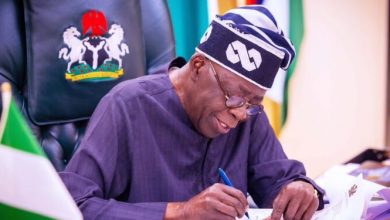
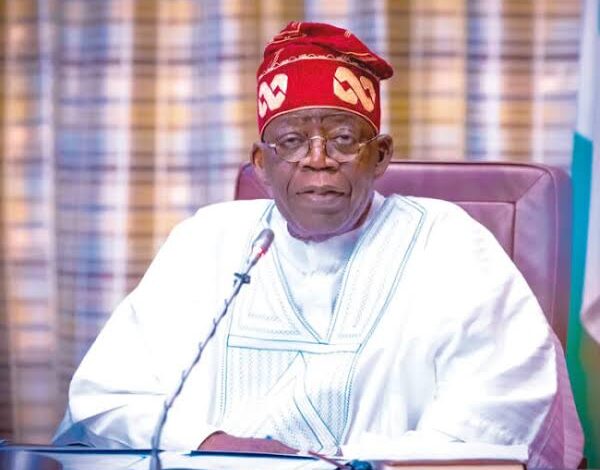
President Bola Ahmed Tinubu is going back to an old playbook: using traditional rulers as the Federal Government’s first line of defence in the battle for peace and development.
That was the core message from the 8th Executive Committee Meeting of the Northern Traditional Rulers’ Council in Dutse, Jigawa State, on Monday, June 15, 2026. Represented by Information Minister Mohammed Idris, Tinubu made a direct pitch for “stronger collaboration” with the Northern traditional institution, framing the Emirs, Sultans and Chiefs not as ceremonial figures, but as indispensable partners in governance.
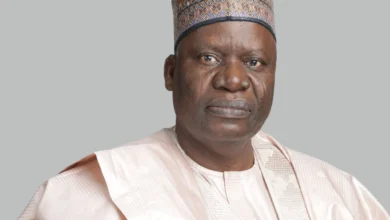
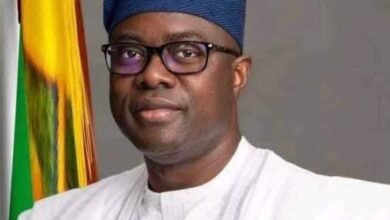
Tinubu’s 2023 victory was powered by the North. But banditry, kidnapping, and farmer-herder clashes still define daily life across the region. If the North feels unsafe and excluded from the economic upside, 2027 becomes harder. This outreach is both policy and politics. The presence of Gombe Governor Inuwa Yahaya and Jigawa Governor Umar Namadi signals that APC governors are in lockstep with the palace strategy. Hosting the NTRC meeting in Jigawa, not Sokoto or Kaduna, spreads the sense of inclusion. It also puts Governor Namadi, a key Tinubu ally, at the center of the security-development conversation.
The Minister was blunt: military operations are gaining ground against terrorists and bandits, but “lasting peace cannot be achieved through security operations alone.” He tied insecurity to poverty, unemployment, and exclusion. This is Tinubu acknowledging the limits of kinetic force. Bringing in the Sultan of Sokoto, Shehu of Borno, Emir of Zazzau and others is a move to attack the drivers of conflict from the grassroots. Traditional rulers have moral authority and local intelligence that no Abuja memo can replicate. Tinubu’s team used the meeting to re-sell the Renewed Hope economic agenda. Four “Legacy Highway Projects” were named: Lagos-Calabar Coastal, Sokoto-Badagry, Calabar-Abuja, and Akwanga-Jos-Bauchi-Gombe. The subtext is clear: roads are peace corridors. Cheaper transport cuts food prices, opens markets, and undercuts the economic grievances insurgents exploit. The new Federal Ministry of Livestock Development was also pitched as a conflict-reduction tool. If it modernises pastoralism and reduces farmer-herder clashes, that’s a direct security dividend. In an era where WhatsApp rumours can burn a village, Idris called traditional rulers “among the most trusted leaders” and asked them to promote “truth, dialogue, tolerance.” The Federal Government wants the palaces to be fact-checkers. With declining trust in politicians, the palace remains one of the few institutions that can tell communities what’s real and what’s not.
No new funding pledge to the traditional councils was announced. No constitutional role for monarchs was promised. The administration is asking for partnership and influence, but the legal and financial backing for traditional institutions remains unchanged. That will be the test of how “strategic” this collaboration really is. The meeting reveals Tinubu’s governance model: central policy, local enforcement. Roads, credit schemes like CREDICORP, and NELFUND loans are designed in Abuja. But their success depends on local buy-in. Traditional rulers decide whether a road project gets community support or sabotage. They decide whether livestock reforms are seen as modernisation or a land grab. By framing peace as a function of unity and development, Tinubu is shifting the security conversation. It is no longer just about guns. It is about cattle routes, highway alignments, credit access, and the Emir’s Friday sermon.
What happens next will turn on three things. First, follow the money. Will the Ministry of Livestock Development route programs through the palaces? Will traditional rulers be on project monitoring teams for the Legacy Highways? Second, watch for constitutional reform signals. The NTRC has long wanted formal roles. If Tinubu moves that needle, it means he is playing a long game with the North. Third, track the 2027 signals. The Sultan’s public commendation of the administration is early political capital. How the palaces frame Tinubu’s performance over the next 12 months will matter.
Tinubu is not just asking the Emirs to pray for peace. He is asking them to sell his policies, validate his projects, and police his narratives. For the Northern traditional institution, it is a return to relevance. For Tinubu, it is a gamble that the throne can still deliver the street. If it works, the conundrum of Northern insecurity gets a new set of solvers. If it fails, Abuja will have run out of partners to blame.