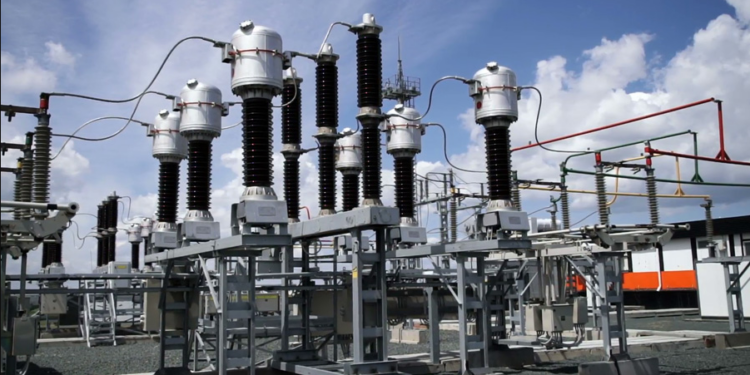
Nigeria restructured its power sector to mirror the global “tripod” – GenCos to produce, TCN to wheel, DisCos to retail, all under NERC’s watch and NBET’s clearing. The Electric Power Sector Reform Act 2005 unbundled PHCN into 6 GenCos and 11 DisCos, left transmission with the state, and promised market discipline. The Electricity Act 2023 doubled down, creating an Independent System Operator and paving way for bilateral trading. On paper, the architecture is sound. In practice, the tripod has three broken legs, and 200 million Nigerians share less power than Texas gives 30 million people.
The Potential: Demand Isn’t the Problem
The upside is obvious and massive. Nigeria’s installed generation capacity sits near 13,000MW against delivered supply of <5,000MW. Peak demand estimates range from 20,000MW to 40,000MW. Every 1,000MW added at cost-reflective tariffs unlocks ~₦1 trillion in GDP. The country has gas, hydro, solar, and a youthful population desperate for productive power. GenCos like Geregu, Transcorp, and Mainstream have shown plants can run at >80% availability when paid. TCN has four control centers and 64 transmission lines that, if expanded, could wheel 15,000MW. DisCos cover every state and LGA – a ready-made retail network serving the world’s largest captive market for electricity.
Privatization created the pieces. The 11 DisCos and multiple IPPs mean private capital, not government budget, can drive expansion. NBET’s transition to bilateral trading should finally let creditworthy GenCos sell to creditworthy off-takers without NBET’s ₦1.7 trillion debt clogging the pipe. The ISO carve-out from TCN will, if executed, bring transparent dispatch and end politically skewed load shedding. Renewable additions – solar, hydro, and potentially geothermal – can bypass gas constraints and FX risk. In short: the market exists, the assets exist, and the law now exists. What’s missing is cash flow.
The Challenges: A Tripod Held Together by Debt
- Generation: Paid to Idle
GenCos have 13,000MW but generate <5,000MW. Thermal plants can’t get gas because producers prefer LNG exports paid in USD. Hydro plants need capex but NBET pays 20-40% of invoices. FX devaluations mean dollarized PPAs and maintenance wipe out Naira revenues. So plants declare “availability” to earn capacity payments, while turbines sit cold. The sector pays for power it doesn’t receive, deepening the debt spiral. - Transmission: State-Owned Chokepoint
TCN can wheel ∼8,100MW on a good day. That’s the hard ceiling between GenCos and customers. The grid collapses 10-15 times a year because redundancy is poor and investment lags. FG owns 100% of TCN but funds <20% of required capex. Right-of-way battles and vandalism stall projects for years. Until TCN is concessioned, funded, or bypassed with embedded generation, every new megawatt of generation is theoretical. - Distribution: Bankrupt Retailers
DisCos are the crisis epicenter. ATC&C losses run 40-50%. For every ₦100 of energy delivered, ₦50 is lost to theft, technical inefficiency, or non-payment. The metering gap is ∼7 million. Estimated billing breeds distrust, so customers bypass or refuse to pay. Tariffs aren’t cost-reflective because NERC faces political backlash, leaving a subsidy hole >₦2 trillion yearly. DisCos were sold to investors without balance sheets to rebuild networks. Five have already been taken over by banks or FG. With bilateral trading, GenCos must now trust DisCos directly. No bank will issue LCs to a DisCo collecting 60% of bills. - Regulation & Market: Referee Without a Whistle
NERC approves tariffs it can’t enforce and KPIs DisCos ignore. NBET was designed as a creditworthy bulk trader but became a ₦1.7 trillion debt warehouse. The ISO is still trapped inside TCN, so dispatch and market settlement lack independence. FG is conflicted: owner of TCN, 40% owner of DisCos, subsidy payer, and policymaker. Every reform – EPSRA 2005, Electricity Act 2023, Order on Bilateral Trading 2024 – adds complexity without fixing the core: prices don’t cover costs.
The Circular Debt Loop
The system’s failure is elegant in its viciousness: DisCos don’t collect because tariffs are low and meters absent → DisCos can’t pay NBET/GenCos → GenCos can’t pay gas suppliers → Gas is cut → Less generation → More load shedding → Customers see no value and refuse to pay → DisCo collections fall further. Breaking the loop requires cash at one entry point. Right now, that cash is a federal subsidy, which is fiscally unsustainable.
The Way Through: Price, Governance, Capital
Nigeria doesn’t have a generation problem. It has a distribution and transmission problem compounded by pricing. Three things change the math:
- Cost-Reflective Tariffs + Targeted Subsidies: Stop subsidizing everyone. Give prepaid meters and lifeline tariffs to the poor. Let Band A customers pay full cost. Collection rates rise when service improves.
- Recapitalize DisCos: Force equity injection or reconcession. The current owners can’t fund network upgrades. Strategic investors will only come if tariffs work and FG exits operational interference.
- Free TCN: Concession or partial privatization with a capex commitment. Separate ISO immediately so dispatch is rule-based, not phone-call based. Allow embedded generation and mini-grids to bypass TCN where it makes sense.
Bottom Line: Potential Without Payment Is Just Physics
The Nigerian electricity system has the demand, the resources, and now the law to deliver 20,000MW. What it lacks is a value chain where each operator gets paid enough to invest. Until GenCos get paid for energy, TCN gets funded to wheel it, and DisCos can collect for delivering it, the tripod will remain a metaphor, not a market. Access Holdings, UBA, Zenith – all banks with power sector loans – know this. They’re lending into a sector where the biggest risk isn’t technical. It’s financial.
Nigeria unbundled PHCN to create a market. Twenty years later, it still needs to create the economics. Potential is measured in megawatts. Delivery is measured in cash flow. Right now, one exists without the other.
Rewrite the headline.