. Round Peg, Round Hole: Oyedele and the Price of Fiscal Credibility

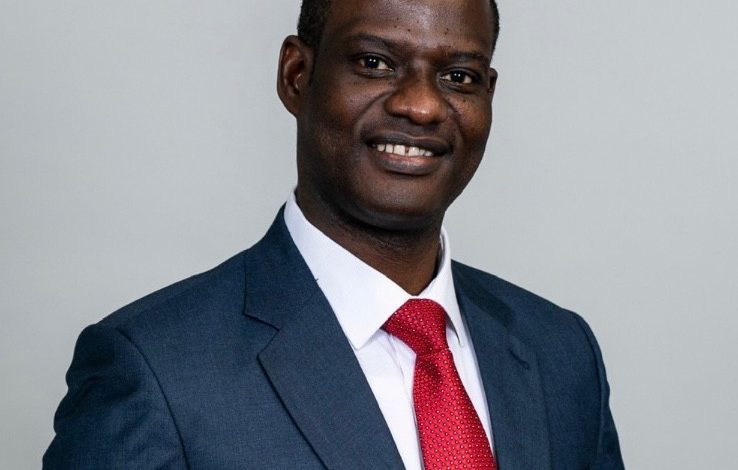
The elevation of Taiwo Oyedele to Finance Minister is more than a routine cabinet reshuffle — it is structurally material. Markets rarely react to personnel changes unless they alter the policy calculus. This one does. A reform architect is moving from advisory corridors into executive control, carrying with him a defined fiscal doctrine and deep institutional rapport with the IMF, World Bank, and global rating agencies. The equities market did not blink; it priced the shift. That bullish response is a rational, early referendum on policy credibility. The real test, however, is execution. Investors should position for gradual gains in fiscal governance over the next 12 to 24 months, but measure progress by implementation speed, not the ambition of pronouncements. The downside risk lies in political-economy friction — the inevitable tension between a technocrat’s blueprint and the inertia of Nigeria’s public expenditure machinery. That friction is real and must be discounted. Yet the upside is equally tangible: Nigeria’s fiscal credibility is so discounted that even steady, modest delivery could trigger a meaningful re-rating of equities, sovereign debt, and long-duration infrastructure assets.It is proper to first recognize the work of Oyedele’s predecessor, Wale Edun, as Minister of Finance and Coordinating Minister for the Economy. He steered through a difficult cycle, helping to temper inflation and ensuring government borrowed on relatively competitive terms. Those are not trivial outcomes in Nigeria’s macro context. They provide a base of stability for his successor to build on. Oyedele’s appointment has, predictably, drawn intense scrutiny — and markets have sent clear signals. Investors distinguish political appointments from technocratic credibility. In Oyedele, they see the latter.This is not a ceremonial promotion; it is substantive. To the investment community, Oyedele is familiar terrain. A Chartered Accountant, finance expert, economist, and former PwC Partner, he has been embedded in Nigeria’s fiscal reform agenda for years. More crucially, he has engaged extensively with multilateral institutions and rating agencies. He speaks the language of global finance while understanding Nigeria’s domestic fiscal maze. The market’s reaction was therefore not coincidental. Nigerian equities have rallied since the announcement, with total market capitalization crossing N140trn and year-to-date returns topping 40%. This is confidence, not noise. Oyedele’s arrival has already lifted Nigeria’s fiscal credibility in investors’ eyes. That credibility will soon be stress-tested on budget realism, especially revenue projections. Nigeria’s budgeting Achilles’ heel has always been over-optimistic revenue assumptions that collapse on contact with reality. Oyedele helped craft the tax reforms designed to fix this. He knows a budget is only credible if it is fundable. His approach will likely be data-driven and conservative. Expect more realistic revenue targets paired with deliberate efforts to broaden the tax base without overburdening vulnerable households. His stewardship of the Presidential Fiscal and Tax Reforms Committee showed a bias for balancing efficiency with equity. Apply that rigor to budgeting, and Nigeria may finally narrow the gap between forecasts and actuals.Though the 2026 budget framework predates him, there is ample space for execution-led adjustments. Budgets live or die in implementation. Oyedele does not operate on autopilot. Capital expenditure, not recurrent spending, should move to the center of fiscal policy under him. Watch three early signals: the pace of capital releases in Q1, any supplementary budget that shifts funds from recurrent to capex, and the monthly revenue trend from the Nigerian Revenue Service. If roads, power, and port projects see accelerated funding within 90 days, it will show that execution discipline is policy, not rhetoric. Another persistent drag has been weak coordination between fiscal, monetary, and revenue authorities. Centralizing fiscal authority under a technically sound minister like Oyedele is an opportunity, but centralization is not a cure-all. Markets want institutional evidence: transparent fiscal data, alignment between budget assumptions and actions, and real collaboration among the Finance Ministry, CBN, and revenue agencies. Practically, that means a unified fiscal reporting framework, a binding fiscal responsibility rule that links spending to realized revenue, and a coherent investor engagement interface. Coordination must shift from intention to practice.On debt strategy, expect a pivot — measured, not radical. Edun managed borrowing costs well, but Oyedele will likely focus on the productivity and composition of debt. He has consistently favored concessional, long-tenor funding over costly commercial debt. That points to more multilateral financing, less reliance on Eurobonds, and greater use of diaspora and green bonds. The difference will be discipline: borrowing that is transparent, cost-effective, and tied to growth-enhancing projects. Debt isn’t the problem; unproductive debt is. Under Oyedele, the link between borrowing and development outcomes should tighten.The immediate question is whether this appointment unlocks investment inflows. Foreign portfolio interest in equities is already stirring. But sustained flows, especially FDI, require more than credibility — they need macro stability, policy consistency, and structural reform. Oyedele’s record suggests process over impulse. If he delivers budget credibility and fiscal discipline across the next two cycles, investor conviction will deepen. Capital could then move from tentative trickles to sustained inflows.This is a moment of continuity and elevation. Continuity, because Oyedele helped design the current administration’s reform architecture; elevation, because his appointment signals a stronger bet on technical competence in economic management. Having worked with him while he chaired the Presidential Fiscal and Tax Reforms Committee, I can say without reservation: this is a round peg in a round hole.