
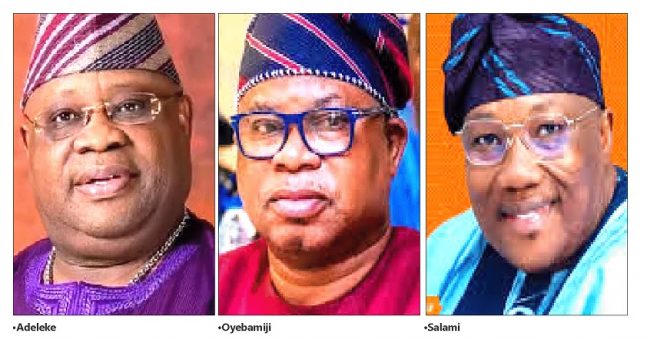
The race for Osun’s governorship is shaping up to be memorable, and if history is a guide, Osun voters will ensure it lives up to that billing. The campaign razzmatazz and polished rhetoric that often sway electorates elsewhere are unlikely to move them this time. Glib promises and disingenuous claims will fall flat against a population that has watched potential outpace performance for too long. As August 15 approaches, registration numbers are climbing not from enthusiasm for pageantry, but from frustration. Voters want jobs that match their education, visible infrastructure that matches the state’s cultural and agricultural endowment, and a leader who is unmistakably in command. They recognize the humongous strengths Osun holds — from its human capital and tourism brand to its strategic location — and they are equally aware of the weaknesses: FAAC dependency, decayed infrastructure, and a stalled industrial base. This time, the ballot is being treated as an instrument of correction, not celebration.
What Osun voters are signaling is a demand for strategic entrepreneurship over transactional politics. They are looking for a leader with intellectual depth, capable of foresight, architecture, stretch, and leverage — someone who can convert the state’s unpriced opportunities into tangible enterprise while turning its weaknesses and threats into competitive advantages. The expectation is not for another administrator who manages Abuja allocations, but for a builder who can structure agro-processing hubs, formalize the gold belt, monetize tourism, and create a credible IGR architecture that frees the state from monthly fiscal hostage-taking. In short, Osun is not searching for a manager of decline. It is searching for a leader who can design and execute a development blueprint that outlasts one administration and makes the state’s potential finally pay dividends to its people.
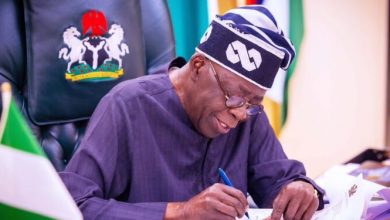
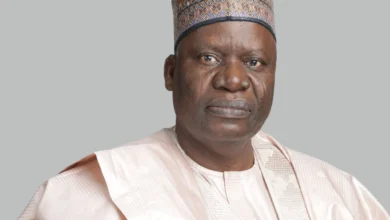
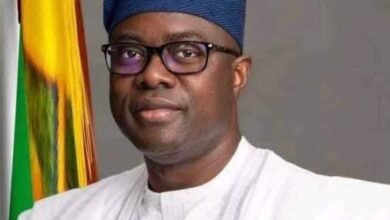
The 2026 Osun governorship contest has produced three principal contenders whose backgrounds shape how they might deliver on foresight, architectural design, stretch, and leverage. Ademola Adeleke of Accord, the incumbent governor, brings executive experience and grassroots political capital from his first term. His academic profile — SSC and BSc — is modest, but his strength lies in public visibility and political mobilization. The challenge for Adeleke is moving beyond incumbency optics to architectural governance: institutionalizing a 20-year development plan that survives his administration, rather than relying on short-term projects. His foresight is tested by Osun’s FAAC dependency and debt overhang, while his stretch will depend on whether he can engage the diaspora and private sector beyond political rallies. Leverage remains his weak link — converting the state’s cultural and agricultural assets into enterprise requires technocratic depth that his record has not yet fully demonstrated.
Bola Oyebamiji of the APC, a former Commissioner for Finance and ex-Managing Director of NIWA, offers the strongest technocratic credentials. With an HND in Banking and Finance plus MBA and MPA qualifications, he has both academic grounding and direct experience in public finance and infrastructure management. This positions him with clear foresight on fiscal discipline and architectural capacity to design a structured IGR system and asset-backed financing for agro-processing and energy clusters. His stretch is evident in SME-focused policies and promises of functional education tied to jobs, while his leverage will depend on whether he can attract private capital and diaspora investment without the perception of elite capture.
Najeem Salaam of the ADC, former Speaker of the Osun House of Assembly and PhD holder in Political Science from Obafemi Awolowo University, brings academic rigor and legislative experience. His foresight lies in diagnosing governance failures, and his architectural strength is policy design grounded in research. However, his stretch and leverage remain unproven — translating intellectual capital into industrial hubs, mineral formalization, and tourism monetization will require coalition-building beyond the legislature. For Osun voters, the choice is ultimately between political incumbency, technocratic finance, and academic-policy expertise — but only the candidate who can fuse all three into execution will turn the state’s latent strengths into lasting prosperity
From FAAC Hostage to Southwest Hub: The Osun Blueprint for Converting Potential into Prosperity
Osun State sits on an enviable pile of raw assets that most Nigerian sub-nationals can only wish for. It has human capital from OAU and UNIOSUN, a global cultural brand in Ile-Ife and the Osun-Osogbo Sacred Grove, arable land across 30 LGAs producing cocoa and cassava, a gold belt in Ilesa, and a location that links the Lagos-Ibadan corridor to the hinterland. Yet the monthly cycle tells a different story: IGR covers less than 20% of recurrent spending, graduates remain idle, roads and power strangle production, and each new administration abandons the last one’s projects. The gap isn’t resources. It’s conversion. The state has the ingredients of a middle-income economy but lacks the builder’s mindset to turn them into enterprise. The choice now is whether Osun continues renting relevance from Abuja every 30 days or begins to run itself like a state.
The strengths and opportunities provide the actual lever for that shift. Osun’s educated youth and diaspora network are not just social capital, they are a nearshore talent pipeline for Lagos and beyond. With Lagos congested and expensive, Osun can position itself as a digital and creative outsourcing hub: film villages, animation studios, coding academies built around Osogbo’s art heritage can absorb thousands of graduates and earn FX. The same logic applies to agriculture. Instead of shipping raw cocoa and kolanut, the state can anchor one agro-processing hub per senatorial district to produce chocolate, cosmetics, and beverages. That move alone creates jobs, captures value, and reduces the 40% post-harvest loss caused by bad roads and absent storage. On tourism, Osun-Osogbo is UNESCO-listed but under-monetized. A mix of structured ticketing, hospitality clusters, VR tours, and an annual diaspora homecoming festival could multiply revenue tenfold while exporting culture, not just people. The Dagbolu free trade zone and rail link give Osun a shot at becoming the Southwest’s agricultural aggregation and warehousing point before export — a role that leverages its geography without relying on oil.
Turning weaknesses and threats into advantages requires deliberate institutional design, not wishful thinking. FAAC dependency is the biggest vulnerability, but it can be neutralized by building an IGR architecture that captures the informal economy. Automating motor parks, digitizing property enumeration, and formalizing land titling would unlock billions currently leaking through cash transactions and unenforced rates. The debt overhang is real, but it can be restructured through diaspora bonds backed by specific revenue-generating assets like a solar mini-grid or a gemstone refinery. That approach converts indigenes abroad from remitters into investors with ROI, while ring-fencing projects from political meddling. Even illegal mining and insecurity, if left unchecked, become banditry corridors. Formalized through licensed cooperatives and a state-backed refinery in Ilesa/Ifewara, the gold belt shifts from a security liability to a regulated revenue stream and employment source. Policy inconsistency, which kills investor confidence, must be addressed with a 20-year Osun Development Plan backed by law — one that survives changes in government and locks in continuity.
This demands three strategic capabilities. First, fiscal engineering: Osun must move from being a passive recipient of oil math to an active revenue creator by formalizing its informal sector and issuing asset-backed development bonds. Second, industrial coordination: the state needs to act as a convener that links farmers to processors, miners to refiners, and youth to digital platforms, rather than competing in everything itself. Third, narrative credibility: perception management alone won’t cut it. Transparency in procurement, asset disposal, and recruitment will determine whether investors and the diaspora trust the system enough to put capital in.
The choices are stark. Osun can keep running a civil-service economy subsidized by Abuja while exporting its best talent to Lagos and Canada. Or it can treat its location, culture, and youth as tradable assets and price them properly. The actions are equally concrete: pass and legislate a long-term development plan; establish a one-stop investment authority with binding timelines; create special purpose vehicles for agro-processing and mineral refining; and publish real-time data on revenue, clearance times, and project execution so citizens can hold government to account.
August 15 and every election after it are not just about who occupies the Bola Ige House. They are about whether Osun will function as an enterprise state or remain a distribution office for federal allocations. The raw materials are already there. What’s missing is the political will to convert culture into commerce, land into logistics, and education into exportable skill. If Osun gets that right, it won’t just reduce youth unemployment. It will redefine what a non-oil Nigerian state can look like.