Nigeria’s Economic Turnaround: From Shrinking Incomes to Renewed Growth, But the Harvest Isn’t In Yet

After a half-decade in which Nigeria’s economy seemed to be running in place, the numbers from 2024 and 2025 finally tell a different story. The Quartus Economics report released on May 4, 2026, marks the clearest break yet from the stagnation that defined 2020-2023, yet a turnaround on paper is only the first step; what matters next is whether growth is felt in markets, homes, and pockets.
The headline shift is stark. Cumulative GDP growth reached 8.34% across 2024 and 2025, the strongest two-year expansion in over a decade and, crucially, the first time since 2015 that economic growth meaningfully outpaced population increase. Between 2020 and 2023, the economy expanded just 0.97% while the population grew 8.78%, a mismatch that slashed GDP per capita by 21% and left the average Nigerian with a smaller slice of a pie that barely grew. By contrast, with population growth estimated below 4.4% in the last two years, the 8.34% GDP rise pushed per capita income up 19.5% in 2025 alone, signaling that the bleeding has, at least for now, stopped.
In dollar terms the recovery looks just as sharp. Following rebasing, GDP climbed from $252 billion in 2024 to $307.5 billion in 2025, a 22% increase in a single year, while per capita GDP rose to $1,295. Regionally, Nigeria’s weight also improved: it accounted for 14.4% of Sub-Saharan Africa’s GDP in 2025, up from about 13% in 2024, and its per capita GDP climbed to 72% of the regional average compared to 67% the previous year. For a country that had been ceding ground to peers, these shifts are psychologically as important as they are economically.
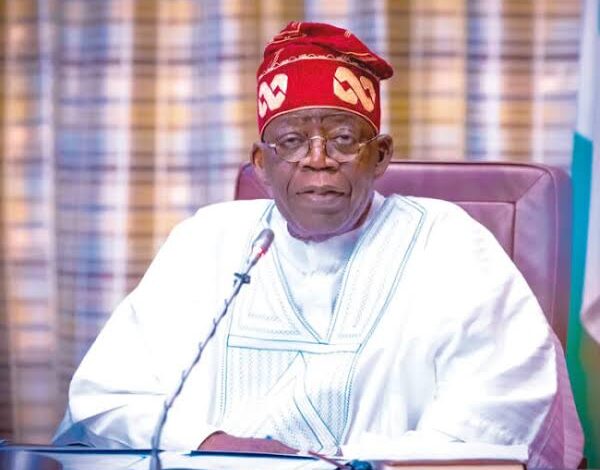
Nevertheless, the question remains: what changed? The Presidency credits the reform package driven by Bola Ahmed Tinubu, which Senior Special Assistant Temitope Ajayi described as the “boldest economic reforms across key sectors in the last 50 years.” Whether one agrees with the politics, the sequence is difficult to ignore. Post-2023 measures tackled FX unification, subsidy removal, and fiscal consolidation — steps that were painful upfront but have begun to reset macro fundamentals. Consequently, confidence is returning where it matters most. The oil sector has drawn over $8 billion in new investments from international oil companies, while manufacturing is expanding fast enough for Nigeria to position itself as a refining hub in Africa. In short, capital is betting on stability, not just survival, and the 2024-2025 growth does not appear to be driven by an oil price spike or statistical rebasing alone.
That said, Quartus Economics itself warns that this cannot be a two-year sprint, noting pointedly that “the country must make 2026 also pay its dues and yield its own harvest.” The caution is warranted for three reasons. First, base effects flatter the data: part of the 22% dollar GDP jump comes after 2024 rebasing and naira stabilization, and the low base of 2020-2023 makes any recovery look dramatic. Sustaining growth above 4% annually will prove far harder than bouncing from a trough. Second, the report highlights “improved output and income” but says little about jobs, inflation, or poverty; a 19.5% rise in per capita GDP means little if food inflation continues to outpace wages, because growth without spread breeds resentment. Third, Ajayi admitted that security challenges persist, and no amount of IOC capital will translate to nationwide prosperity if rural production remains disrupted and communities across states like Kaduna are still recovering from years of violence and displacement.
Therefore, the real test of this turnaround lies in whether macro gains can filter down to the micro level. For years, policy in many states has been downstream of allocation — FAAC receipts and debt deductions decided what governments could do, rather than policy determining how resources should be allocated. Osun’s experience is instructive: when 40% of FAAC is deducted at source for debt service, “policy” becomes whatever is left after salaries, not a strategic plan to grow IGR or fund agro-processing. As a result, if Nigeria’s rebound rests only on federal reform and oil money, it will stall the moment FAAC dips or crude prices slide.
Ultimately, Nigeria is rising, as Quartus puts it, and the 2024-2025 data is the first credible evidence since 2015 that reform can deliver growth faster than population. The Presidency’s claim that the economy is “responding positively” holds up on paper, yet turnarounds are fragile and die when governments mistake a rebound for a victory lap. The numbers show Nigeria has stopped shrinking. However, 2026 will determine whether it is actually growing — and for whom. The macro green shoots are real, but the harvest isn’t. Yet.