New Minister, Same Gap : Can Oyedele Bridge The Chasm. Between Statistics and Suffering?

Two years into Nigeria’s most aggressive economic reset, the government is pointing to charts as proof that the crisis is behind us. Gross Domestic Product growth is above 3 percent. The budget deficit has narrowed. The naira is more stable after the foreign exchange windows were unified. Inflation, though still at 22 percent, is said to be easing from its peak. On paper, the diagnosis is “stabilization achieved.”
But the numbers do not match the reality in homes and markets. Poverty has deepened, not receded. Estimates from the World Bank and National Bureau of Statistics put multidimensional poverty above 45 percent, meaning nearly half of Nigerians lack reliable access to food, health, education and basic living standards. At the same time the gap between the rich and the poor has widened sharply. The removal of the petrol subsidy and the floating of the naira stopped fiscal bleeding, but they also triggered a cost-of-living shock that wiped out wages and small business margins. Those with access to dollars and assets have hedged. The average household now spends more than 60 percent of income on food and transport. That is the truth behind the statistics: an economy that looks steadier in briefings, but feels more fragile on the streets.
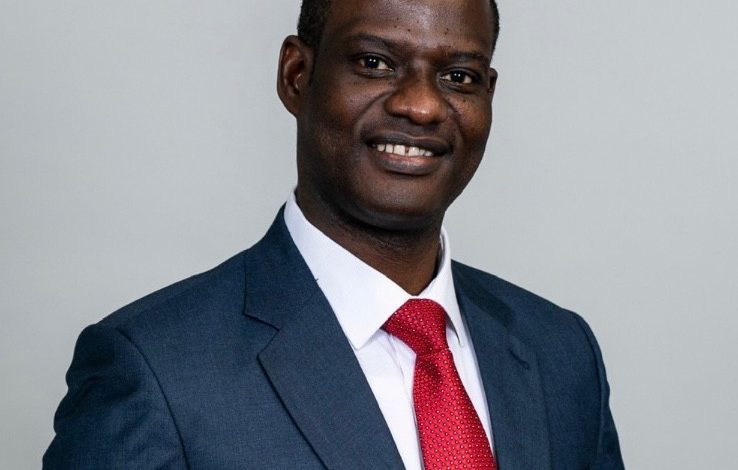
The leadership has also changed mid-course. Wale Edun, who as Minister of Finance and Coordinating Minister of the Economy made the initial hard calls in 2023 — ending the petrol subsidy on inauguration day and dismantling multiple foreign exchange rates — is out of office. Taiwo Oyedele, who led the Presidential Committee on Fiscal Policy and Tax Reforms, has now taken over as the chief economic manager. Together, across both tenures, they have been asked to do what four finance ministers named “Minister of the Year” in 2012 achieved in their countries: turn emergency measures into a recovery people can feel.
The first test is credibility through delivery, the way Andris Vilks did in Latvia. When Latvia’s Gross Domestic Product collapsed by 25 percent and unemployment hit 21 percent, Vilks accepted a painful International Monetary Fund program and cut 15 percent of Gross Domestic Product from spending. By 2012 the deficit was below 2 percent of Gross Domestic Product, Latvia repaid the International Monetary Fund early, returned to bond markets, and posted 5.6 percent growth — the fastest in the European Union. Edun mirrored that decisiveness. The subsidy was ended. The exchange rate was unified. Oyedele is now pushing the same discipline through tax reform and plugging leakages. But Latvia paired austerity with visible recovery within 18 months. In Nigeria the pain has lasted longer because there are not yet three clear proof points citizens can point to. Power is still erratic, food inflation remains above 21 percent, and formal job creation is slow. To bridge the gap, the ministry must pick and deliver visible wins in one budget cycle: a measurable drop in food prices, reliable power to industrial clusters, and one million new formal jobs tracked and published quarterly. Credibility will come when households feel it, not just when investors see it.
The second test is moving from stabilization to productivity, the lesson from Singapore and Tharman Shanmugaratnam. Singapore shrank by 1 percent in 2009. Tharman refused to stop at macro fixes. He attacked supply-side constraints by reducing dependence on cheap foreign labor and using fiscal incentives to push small and medium-sized enterprises to train workers and invest in innovation. Even with 1.5 percent growth in 2012, unemployment stayed below 3 percent because the economy was being rebuilt for higher-wage work. Oyedele’s tax agenda — simpler codes, fewer nuisance taxes, better compliance — and Edun’s automation of revenue through the Treasury Single Account are steps in that direction. But Singapore matched every cut with investment in capacity. Nigeria has removed distortions without yet replacing them. Manufacturing capacity utilization is still 56 percent. Energy costs remain prohibitive. So a cleaner exchange rate has raised import costs without a matching rise in exports. The next phase must convert subsidy savings into a productivity fund: single-digit loans for firms that substitute imports, support for compressed natural gas to cut energy costs, and tax credits tied to hiring Nigerians and exporting. Without that, we will have macro stability sitting on a weak productive base.
The third test is making growth inclusive, as Luis Castilla did in Peru. Peru was growing at 6 to 6.9 percent but poverty persisted. Castilla kept inflation near 2 percent, broadened the tax base with a new mining tax, and then deliberately allocated 50 percent of the budget to social development and productive sectors, with half of spending tracked by performance. The result was the highest growth in Latin America and falling poverty. Edun and Oyedele have tried cash transfers of 25,000 naira monthly and compressed natural gas buses as cushion. But Peru had 6 percent growth to fund inclusion. Nigeria has 3 percent growth and still spends over 30 percent of revenue on debt service. Our palliatives have been too small and too leaky to offset 22 percent inflation, and we do not yet tie spending to results. The answer is to legislate a floor: a fixed share of new revenue and subsidy savings must go to health, education and agriculture, with quarterly public scorecards. Broaden the tax base as Oyedele proposes, but give citizens a receipt. That is how you turn growth statistics into trust.
The fourth test is creating fiscal space and spending it on multipliers, as Charles Koffi Diby did in Côte d’Ivoire. After civil conflict the economy shrank 5 percent and one-third of the budget went to debt. Diby secured debt relief, cut external debt by 8 billion dollars, and dropped the debt-to-Gross Domestic Product ratio from 67 percent to 36 percent. He also renegotiated a defaulted Eurobond and restored market confidence. Growth rebounded to 8.5 percent. Nigeria cannot get that kind of relief, but we face the same crowding out. Domestic debt is above 80 trillion naira and debt service still consumes over 30 percent of revenue. Oyedele’s revenue drive is necessary, but not enough. The Côte d’Ivoire lesson is to audit and restructure expensive domestic debt, and to legally commit most subsidy savings to capital projects with completion dates. Markets will believe when they see a four-year plan where debt falls as a share of revenue and infrastructure rises.
Across Latvia, Singapore, Peru and Côte d’Ivoire, the pattern is identical. Each minister made the hard macro call early, paired it with supply-side action, and delivered benefits people could see quickly. Nigeria has completed step one under Edun and is now in step two under Oyedele. But step two cannot be more of the same. A new minister does not automatically mean a new outcome. If Oyedele measures success only by Gross Domestic Product, exchange rate and deficit, the chasm will remain. If he measures success by cheaper food, steadier power, more jobs, and falling poverty, then the painful reforms of 2023 may yet be remembered as the turning point. Until then, the statistics will keep saying recovery. The people will keep saying survival.