N11.9 Trillion in 2 Years: Did Subsidy Savings Save Nigeria from a Debt Spiral?

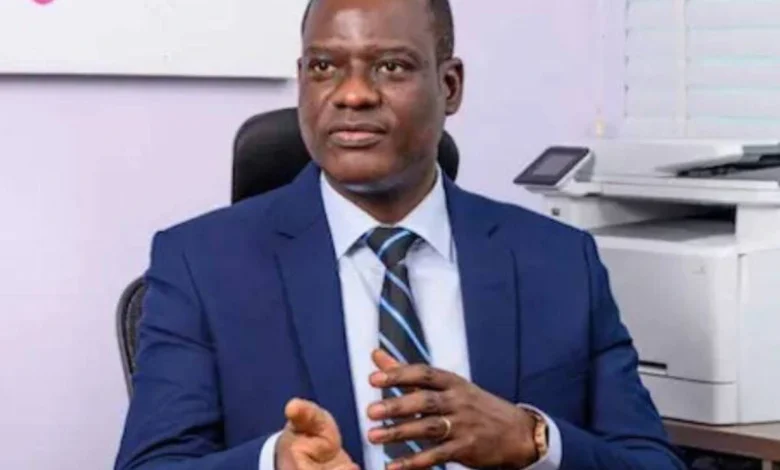
Between June 2023 and December 2025, the Federal Government borrowed N11.9 trillion. According to the Minister of Finance and Coordinating Minister of the Economy, Taiwo Oyedele, that figure could have been far worse without the fiscal room created by fuel subsidy removal and FX liberalisation. But the bigger story is where the money went, and whether the reforms have actually changed Nigeria’s fiscal trajectory.
The Math: More Money In, Even More Money Out
Oyedele laid out the government’s scorecard in simple terms. Total incremental resources mobilised over 30 months stood at N20.4 trillion. That came from three sources: subsidy savings, higher independent revenues, and the N11.9 trillion in new borrowing. Against that, incremental federal expenditure was N30.64 trillion — about N10.2 trillion more than the new money that came in. Of that spending, N9.39 trillion went directly to wage adjustments, minimum wage increases and allowances. So while reforms brought in money, they also unlocked new spending commitments. The borrowing was used to bridge that gap
.Subsidy Removal: N15.8 Trillion Mobilised, But Not All for FG
The headline reform was subsidy removal on May 29, 2023. Oyedele said it, plus FX reforms, mobilised N15.8 trillion for the Federation between June 2023 and Dec 2025. However, only N5.4 trillion was the FG’s share. N10.4 trillion went to states and LGAs through the Federation Account. The FG also generated an additional N3.1 trillion in independent revenue from GOEs and surpluses.The mechanism was clear: higher exchange rates meant naira values of dollar-denominated revenues — customs duties and petroleum profit tax — jumped. Oyedele argued the old FX regime was effectively “subsidising rent seekers” instead of manufacturers and ordinary Nigerians.
The Catch: Debt Service Is Eating the Gains
Here’s where the interpretation gets tricky. CFG Advisory warns that the fiscal gains from subsidy removal have been “fully absorbed by debt servicing.” In other words, the N15.8 trillion saved did not translate into new roads, power, or social programs. It went to pay old debts. This matches the broader numbers. Nigeria already spends more on debt service than on infrastructure. The N11.9 trillion in new borrowing over two years suggests the government is still running a structural deficit, even after removing one of its biggest subsidies.Oyedele’s argument is that without the reforms, borrowing would have been “far higher and economically destabilising.” That may be true. But the fact remains: debt is still rising, just at a slower pace.The Trade-off for NigeriansThe reforms came with immediate costs. Petrol prices spiked, transport and food costs rose, and the naira adjustment pushed inflation up. The government’s case is that these were necessary pains to avoid “imminent bankruptcy,” as President Tinubu stated earlier this year. The intended goal was to redirect resources from consumption subsidies to productive sectors. In practice, so far, a large chunk has gone to wages and debt service. That leaves limited fiscal space for capital projects and social interventions — the very areas the reforms were meant to protect.Bottom LineThe N11.9 trillion borrowing figure tells two stories.
First, subsidy removal and FX reforms did create fiscal space. Without them, Nigeria’s deficit financing would likely have been more aggressive.
Second, that space has not yet translated into development. Higher revenues are being cancelled out by higher wage bills and debt costs. For the reforms to be judged a success, the next phase must show a shift: from using subsidy savings to pay salaries and interest, to using them to build infrastructure and grow the non-oil economy. Until then, Nigeria has avoided a worse debt crisis, but it hasn’t yet solved it.Disclaimer: This article is for informational purposes only and does not constitute financial or investment advice.