Nigeria’s political contest ahead of 2027 is being shaped by the intersection of persistent insecurity, economic reform, and elite bargaining, with each factor amplifying the others. In the North West and North Central, banditry, kidnapping and farmer-herder violence have moved beyond a law-and-order problem to become a direct challenge to state authority and a focal point of national politics. The violence disrupts agriculture, drives food inflation, and leaves rural communities feeling exposed, so it inevitably shapes how citizens assess the government’s competence and how political actors frame their case to the public.
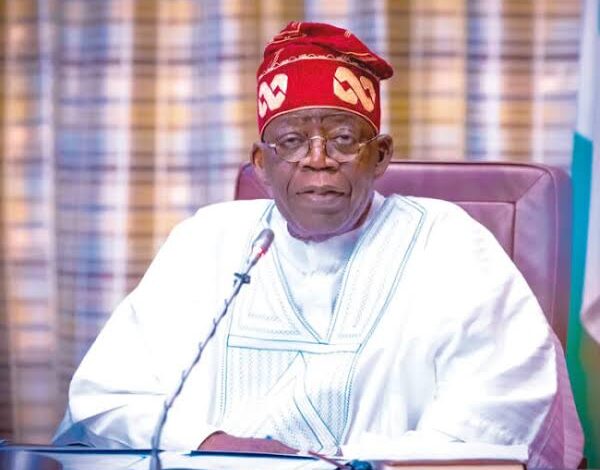
This is not the first time insecurity has played that role. During the Jonathan administration, deteriorating security in the North East and North West eroded public confidence and became a decisive factor in the 2015 election. Under Buhari, military operations expanded but the underlying drivers—unemployment, weak local policing, the spread of small arms, and unresolved disputes over land and water—were not resolved. Tinubu inherited both the security challenge and the economic consequences of years of fiscal strain. When insecurity persists, it becomes a lever that opposition figures and regional elites use to question federal capacity and to extract concessions in the negotiation over party structures and power-sharing.
The timing matters because Tinubu’s economic reforms have increased short-term pressure on households. The removal of fuel subsidies and the unification of exchange rates have improved macro indicators and reduced fiscal leakage, but they have also raised the cost of living at a time when insecurity is already cutting agricultural output. For political elites whose influence rests on patronage and control of federal resources, the reforms reduce the pool available for distribution. That creates a strong incentive to realign ahead of 2027, using public frustration over security and living costs as bargaining power in party primaries and coalition talks.
External actors watch this dynamic closely but do not determine it. The U.S. and EU prioritize stability, counter-terrorism and the continuity of trade and investment, and their engagement tends to focus on security assistance, electoral observation and governance programs. China’s interest is economic, centered on infrastructure projects, market access and debt servicing, and it works with whoever holds federal power. ECOWAS and neighboring Sahel states have a direct stake because instability in northern Nigeria spills across borders, especially given the recent coups in the Sahel. None of these actors can dictate Nigeria’s electoral outcome; their leverage lies in security partnerships, conditional lending and diplomatic messaging, and it is limited by Nigeria’s size and the fact that domestic elites remain the decisive players.
If insecurity and economic strain are not visibly reduced in the next 18 months, the likely consequences are clear. Party coalitions will fragment as elites seek better positions for 2027, local trust in state institutions will erode further as communities turn to non-state security arrangements, and elections will be more contested with a higher risk of post-election disputes. The judiciary and INEC will face greater scrutiny as arbiters, and the space for cross-regional negotiation will narrow.
The trajectory is not fixed. Measurable progress on rural security, a decline in food inflation, and visible delivery of infrastructure projects would change the political calculus. So would credible agreements within the major parties on candidate selection and power rotation. Nigeria’s size and diversity mean that no single elite network can govern without negotiation across regions and constituencies. The risk now is that insecurity and economic pressure shrink that space for negotiation. The opportunity is that the same pressures create an incentive for deals that address both security and inclusion. The next phase will show whether the political class takes that path, and whether external partners limit their role to supporting institutions rather than intervening in the elite contest itself.