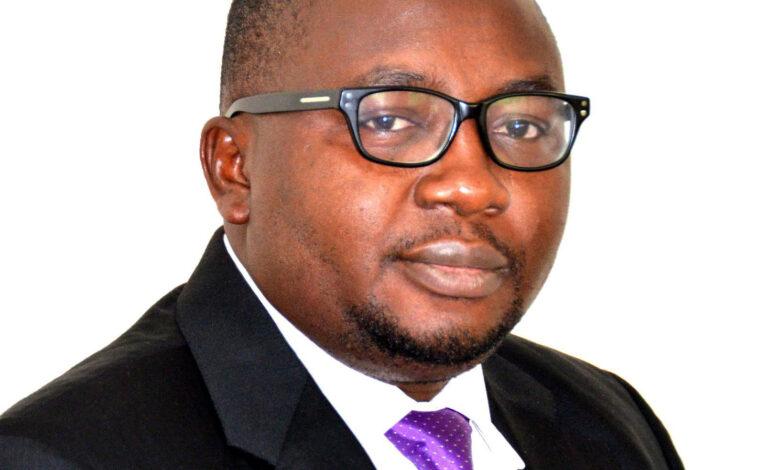
Academic credentials open doors in Abuja, but they do not keep the grid from collapsing. That is the lesson every Minister of Power learns, and Adebayo Adelabu is learning it in real time. The Ministry of Power is not a classroom where first-class degrees guarantee first-class results. It is a web of gas contracts, rusted towers, unpaid invoices, and political landmines. In that web, a certificate without contacts, consensus, and cash is just paper.
Adelabu did not meet an empty desk. He met the same albatross that weighed down Babatunde Fashola, Saleh Mamman, and Abubakar Aliyu. Generation companies have 13,000MW on their nameplates and 4,500MW on the grid because gas producers prefer dollars from LNG exports to naira from NBET. When gas does arrive, Transmission Company of Nigeria cannot wheel it. The grid is radial, not looped, so a single fault on a 330kV line can drag the country into darkness. TCN has collapsed more than ten times in some years, and each collapse erases the argument that technical brilliance alone can hold the system up.
The distribution end is where theory meets hostility. DisCos lose over 45 percent of the energy they receive to technical faults, theft, and non-payment. Half the customers are unmetered, so estimated billing replaces trust with fights at the gate. Linesmen are electrocuted because illegal connections turn every pole into a gamble. Yet DisCos are billed by NBET at full generation cost while NERC keeps tariffs below recovery for political reasons. The shortfall becomes debt that banks will not touch. Without loans, DisCos cannot buy meters or transformers, so service stays poor and collections stay worse. That is not an academic problem. It is a political economy problem.
NBET is the shock absorber that has absorbed too much. It signs dollar power purchase agreements and collects naira from DisCos at subsidized rates. The FX gap has dug a hole in the trillions. When DisCos remit 30 percent of invoices, NBET cannot pay GenCos, GenCos cannot pay gas suppliers, and the turbines go quiet. The plan was for DisCos to contract directly with GenCos, but no DisCo is creditworthy. So NBET remains the buyer of last resort with no money and every risk.
The regulator, NERC, lives between what the books say and what elections allow. Tariffs need to rise for liquidity, but government freezes them before polls and after protests. Enforcement is weak because sanctions do not survive politics. The Ministry itself is littered with master plans that outlive ministers. Siemens Presidential Power Initiative, Mambilla Hydro, and super grid projects move in press releases, not megawatts. The 2023 Electricity Act now gives states the right to create their own markets, which means a minister must negotiate with 36 governors who can license, delay, or duplicate.
Rural electrification shows the same pattern. REA can deploy solar mini-grids, but batteries need replacement in four years and communities cannot pay. Panels get stolen, developers hire guards, and the tariff cannot carry the cost. Some states treat REA as competition and block land.
These are the challenges that humbled Adelabu’s predecessors, and they do not care that he studied in Nigeria and abroad or that he ran a bank. Gas producers do not renegotiate because someone has an MBA. Vandals do not spare towers because a minister was a CBN deputy governor. Communities do not stop beating DisCo staff because the minister understands balance sheets. The sector runs on three things academia does not teach. First, political contacts that can align gas suppliers, governors, labour unions, and the presidency at once. Second, the ability to unlock cash outside the budget, because 20 billion dollars of transmission upgrade will not come from FAAC. Third, enforcement capital to make DisCos meter, to make NERC penalize, and to make vandals face jail, not just press statements.
That is the focus this sector imposes on every appointee. Academic credentials may lead a person to the door of success, but without contacts in the gas sector, without trust from governors, without leverage over DisCo boards and the National Assembly, the door stays shut. Adelabu’s banking background helps him read the illiquidity. It does not, by itself, create liquidity. His public sector experience helps him navigate Abuja, but the grid is not managed from Abuja alone. It is managed in Egbin, in Shiroro, in Alagbon, and in 774 local governments where transformers are shared and stolen.
So the headline writes itself every time the system collapses. The grid does not humble men out of malice. It humbles them because it is a machine with too many owners and too little accountability. Until a minister can turn contracts into cash, cash into infrastructure, and infrastructure into light, the albatross will sit on his neck. Credentials will be mentioned in his citation, but megawatts will be mentioned in his verdict. That is how Nigeria’s power sector humbles Adelabu, and how it humbled those before him. The sector is not impressed by where you studied. It is impressed by whether the bulb comes on.