Finance Ministry Pushes Back on ‘Hidden Spending’ Claim, Recasts World Bank Report as Endorsement of Reform

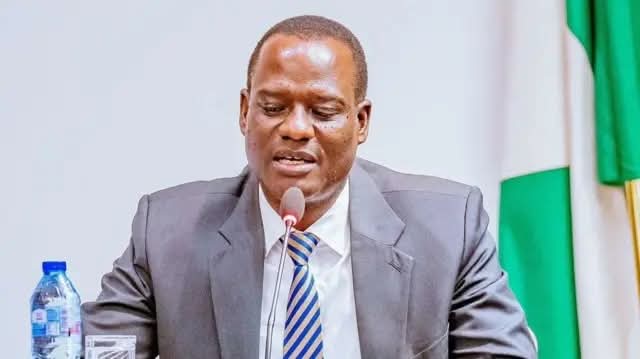
The Federal Ministry of Finance’s statement is less a denial than a reframing. Faced with headlines about “diverted” federation revenue, the ministry uses the same World Bank report critics cited to argue the opposite: reforms are working, the fiscal system isn’t collapsing, and what looks like leakage is actually legitimate plumbing. The choice of messenger matters. Taiwo Oyedele, Minister of State for Finance, is a technocrat with reform credentials. Putting him out front signals this is a technical correction, not political spin. But the urgency of the release shows the stakes. In a country where “missing money” becomes protest fuel overnight, controlling the interpretation of FAAC data is part of economic management.
The ministry’s core move is redefinition. It lists FAAC deductions — statutory transfers, security spending, cost-of-collection, refunds to MDAs, subnational transfers — and insists they are not “waste.” The subtext: Nigeria’s fiscal system is complicated by design, because it funds three tiers of government with overlapping obligations. Calling refunds to states “diverted” ignores that those refunds may be debts owed or constitutional entitlements. By itemizing the deductions, the ministry is telling analysts and media that transparency starts with literacy. You can’t audit what you don’t understand. And misunderstanding, it argues, becomes misinformation with real economic cost.
Timing is the second front in this fight. The statement accuses commentators of using “past data” while ignoring 2026 reforms, including an Executive Order on petroleum remittances. That Executive Order is the pivot. The ministry claims it will add 0.4% of GDP annually to distributable revenue across all tiers. That number is small but symbolic. It converts reform from promise to projection. The ministry wants the public to judge the fiscal system not by old snapshots, but by a forward curve. The World Bank’s own language — growth broadening, inflation declining, reserves stronger, debt-to-GDP down for the first time in a decade — is quoted back as proof that the curve is bending the right way.
Interpretatively, this is the government drawing a line between critique and sabotage. The phrase “responsible reporting” does heavy lifting. It implies that bad faith interpretation can “undermine reform efforts and fuel public discord.” That’s the ministry saying: we can handle debate, we can’t handle distortion that spooks markets or streets. The real audience isn’t just the press. It’s investors watching Nigeria’s macro indicators, states waiting on FAAC allocations, and citizens deciding whether to trust the “Renewed Hope” fiscal story.
The underlying tension is about trust in institutions versus trust in narratives. FAAC deductions have always been contested because they’re complex and opaque to non-specialists. A viral claim of “hidden spending” spreads faster than a PDF of statutory transfers. So the ministry’s statement is preemptive narrative warfare. It concedes nothing on policy, clarifies process, and tries to reclaim the World Bank as an ally, not an accuser.
The risk is that technical corrections rarely trend. If 0.4% of GDP doesn’t show up in salaries, food prices, or school fees soon, the public won’t audit the deduction list — they’ll audit their wallets. The ministry knows this, which is why the statement ends with “inclusive growth.” That is the metric that will decide whether this defense holds. For now, the government’s line is clear: the money isn’t missing, the reforms aren’t failing, and 2026 is the year the receipts start to match the rhetoric.