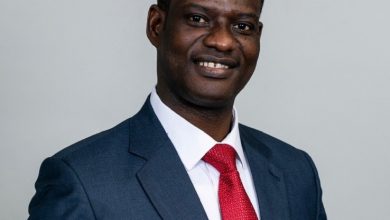
Cardoso’s Three-Year Tightrope: Fighting Inflation While Growth and Jobs Bleed


Intro:
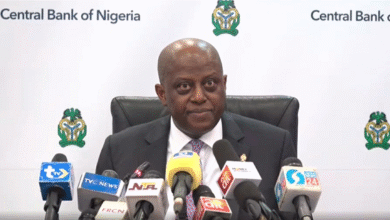
For three years, CBN Governor Olayemi Cardoso has run Nigeria’s economy like an emergency room doctor with only two hands. The patient has three fatal wounds: inflation, unemployment, and stagnant growth. The orthodox belief in monetary policy is brutal and simple: you can tackle two at a time. You cannot save all three. Since September 2023, Cardoso has chosen inflation and exchange rate stability first. Growth and jobs have paid the price. The question after 36 months is not whether he stabilized anything. It is whether the cure is worse than the disease.
Nigeria entered Cardoso’s tenure with inflation above 24% and a fractured FX market with multiple rates. His diagnosis was textbook: inflation was eroding purchasing power, killing investment, and making growth meaningless. So the CBN went aggressive. The Monetary Policy Rate was hiked repeatedly, peaking above 27% in 2024-2025. The bank also unified the FX windows, cleared a $7 billion FX backlog, and tightened liquidity to mop up excess naira.
On inflation, the strategy has shown partial success. After hitting 34.8% in late 2024, headline inflation began to ease through 2025 and into 2026, helped by base effects, a more stable naira, and reduced money supply growth. The unification of FX rates removed arbitrage and restored some investor confidence. Foreign portfolio inflows returned in 2024-2025 because investors could now take dollars out. For the first time in years, the naira had a single, market-reflective price, and the CBN stopped defending multiple pegs.
On growth, the picture is bleaker. High interest rates were necessary to fight inflation, but they also choked credit. With lending rates above 30%, manufacturers, farmers, and SMEs could not borrow to expand. Banks preferred to buy risk-free T-Bills and FGN Bonds. Government itself crowded them out further by borrowing N7.6 trillion from the domestic market in H1 2026 alone. The result: private investment stalled. GDP growth has remained below 3.5%, far below the rate needed to absorb Nigeria’s 200 million+ population and 4 million new job seekers yearly. Capital expenditure as a share of GDP even fell from 1.3% in 2024 to 1.0% in 2025, as debt service of N15.91 trillion budgeted for 2026 ate the budget.
Unemployment is where the dilemma bites hardest. Monetary policy cannot create jobs directly, but its tools determine whether jobs are created or destroyed. By prioritizing price stability, Cardoso chose to keep money expensive. That protected the value of the naira and slowed price rises, but it also made it more expensive for businesses to hire. Youth unemployment remains above 30%, and underemployment is worse. Factories that could have expanded at 15% interest are shutting down at 30%. The trade-off is visible on the streets: food is still expensive, but now fewer people have income to buy it.
The fiscal side has complicated Cardoso’s job. While the CBN tightened, government borrowing accelerated. The 2026 budget plans N29.20 trillion in new borrowing, up from an initial N17.89 trillion. Debt service now consumes almost 50 kobo of every naira of revenue. That means even if the CBN brings inflation down, the fiscal authority is pumping money back into the system through deficit spending and Ways and Means. Monetary policy ends up fighting fiscal policy. The CBN mops liquidity in the morning; the government spends it in the afternoon.
Three years in, Cardoso’s scorecard is mixed and deeply political. Success: he restored orthodoxy. The FX market is unified. Inflation is off its peak. Reserves have stabilized. Nigeria looks more credible to investors. Challenge: orthodoxy came with pain. Growth is weak. Jobs are scarce. And inflation, though slower, is still in double digits, meaning the average Nigerian feels no relief.
The core dilemma remains unresolved. If the CBN cuts rates to stimulate growth and jobs, inflation and the naira could spike again. If it keeps rates high to kill inflation, growth will remain anaemic and unemployment will fester. Cardoso has chosen door number one and two: inflation and stability. Door number three, growth and jobs, is waiting.
The critical test for the next 12 months is whether the stability gained can now be converted into productive investment. Without a fiscal policy that cuts waste, raises non-oil revenue, and directs borrowing to assets that earn more than the N15.91 trillion interest bill, monetary policy will keep running in place. You can only tackle two. Cardoso picked his two. Nigerians are still waiting to see if that choice buys them a better third.