
Cadbury Nigeria is not failing. In fact, it’s doing exactly what it needs to do to survive. The yellow tin is still in kitchens. The ₦100 sweets are still selling at bus stops. Cash is coming in, factories are running, and the company stayed profitable through inflation, FX chaos, and rising costs.
But that’s the problem. Cadbury is surviving on yesterday’s decisions, not today’s leadership.
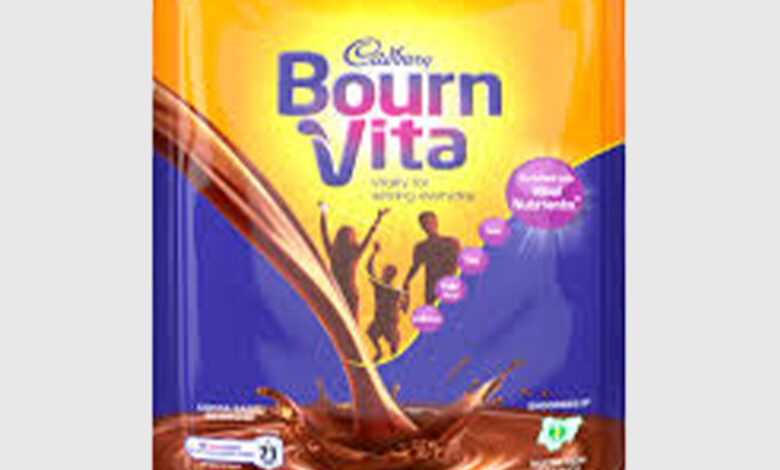
Look at the company and you see one clear truth: Bournvita is carrying everything. For 60 years it has been the default. Mothers buy it because their mothers bought it. It’s comfort, it’s habit, it’s trust. And because of that trust, Nigerians keep buying even when cocoa gets expensive and prices go up. That loyalty paid suppliers during the FX crisis. It kept the lights on. It gave Cadbury breathing room when other FMCGs were drowning in debt.
But a company that depends on one brand for most of its cash is not a company with a strategy. It’s a company with a safety net. And safety nets don’t last forever. If cocoa prices spike again, if government adds more tax to sugary drinks, or if the next generation decides malt drinks are “too sweet,” Cadbury has no second act. Everything rests on that one yellow tin. That is not strength. That is exposure. And it exists because leadership has not built anything else big enough to matter.
The second bright spot is TomTom and Trebor. These sweets are doing well because they fit the moment. They are cheap, they are impulse buys, and people still buy them when money is tight. Cadbury pushed new flavors and they moved. Management even admitted candy helped cover the weakness in drinks. That’s good execution.
But execution is not foresight. Foresight is asking: what will Nigerians want in 3 years, not what sold last quarter? And on that question, Cadbury is quiet.
The market is already shifting. More adults want coffee and hot chocolate in the morning instead of sugary malt. Biscuits are booming because they are an affordable treat. “Less sugar” and wellness drinks are starting to trend with young, urban consumers. Cadbury sees this. It has Hot Chocolate. It has Oreo. It has talked about new drinks.
But it hasn’t funded them. After the FX crisis, leadership chose caution. That protected the balance sheet, but it also starved the future. Hot Chocolate is going up against Milo with no real advertising push. Oreo is fighting local bakers who already own the distribution. These products are stuck in the middle — not big enough to win, not killed off either. In a market this competitive, “wait and see” means “lose.”
That’s the cost of absent foresight. While competitors are planting flags in coffee, biscuits, and healthier drinks, Cadbury is asking Bournvita to pay for operations, for costs, and for growth all at once. You cannot innovate with leftovers. You innovate by taking money from what works today and betting it on what will work tomorrow. That bet is not happening.
It gets worse with the clutter. Old Bournvita variants, seasonal packs, and stale candy lines are still in the portfolio. They don’t sell, but they still cost money to make and move. With fuel and logistics this expensive, that is wasted cash. A leadership team with foresight would have cut the dead weight two years ago and redirected every naira to one or two new growth engines. Instead, the warehouse is full and the pipeline is empty.
This is the real crisis at Cadbury Nigeria. It is not a sales crisis. It is a leadership crisis.
Good leaders manage today. Great leaders build tomorrow while today is still working. Cadbury’s leadership has managed today brilliantly. Bournvita is proof. TomTom is proof. But there is no evidence they are building tomorrow. There is no bold new brand. No clear category they intend to own beyond malt and sweets. No public commitment to move with the consumer who is already changing.
Companies don’t die because their hero brand fails. They die because they believed the hero brand would never fail.
Cadbury has time. Bournvita is still strong. TomTom is still growing. But time is not infinite. If leadership does not take money from today’s winners and place a real bet on coffee, on biscuits, on adult wellness drinks, the company will wake up in 5 years with one aging star and no understudy.
A trusted brand can keep you alive. Only foresight can keep you relevant.
Right now, Cadbury Nigeria has one and not the other.