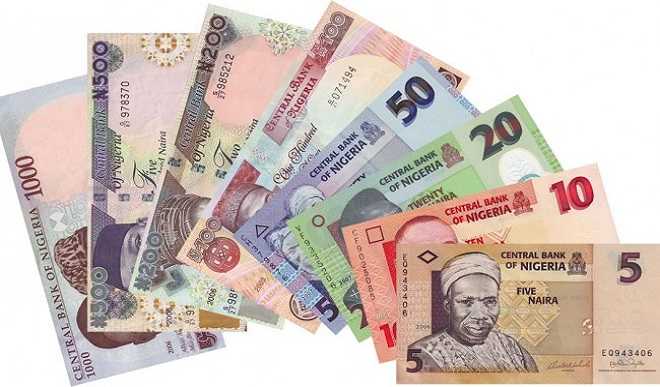
The naira has been one of Africa’s stronger currencies so far this year, and that’s not something you see every day. According to analyst Lukman Otunuga, it’s the second best performing African currency against the dollar year-to-date, trailing only Zambia’s kwacha. In a period marked by conflict-driven volatility and a broad sell-off in emerging market assets, that kind of stability stands out.
What’s behind it is straightforward: the Central Bank of Nigeria stepped in to defend the currency. After signaling in March that it would support the naira, the CBN actively intervened as deepening geopolitical risk rattled investor appetite for riskier markets. The goal was clear – keep the exchange rate from sliding and prevent a fresh round of imported inflation from hitting households and businesses already dealing with high food prices.
But stability hasn’t come free. The cost shows up in Nigeria’s foreign-exchange reserves, which have been under pressure. Reserves fell for 16 consecutive days through April 8, dropping to $48.94 billion, their lowest level since mid-February. That decline tells you the CBN has been spending dollars to supply the market and smooth out demand, a classic defense strategy when capital flows turn negative.
The trade-off is familiar to anyone watching emerging markets. You can buy time and calm the market by using reserves, but every dollar spent reduces your buffer against the next shock. With reserves now at $48.94 billion, Nigeria is still in a comfortable position compared to many peers, but the 16-day losing streak signals that the defense is active and ongoing.
For the average reader, the takeaway is twofold. On one hand, the naira’s relative strength has helped limit exchange rate pass-through to prices, which matters when inflation is already sticky. On the other hand, maintaining that strength depends on how long the CBN is willing and able to keep intervening. If geopolitical risk persists and portfolio outflows continue, the question becomes whether reserves can keep falling at this pace without triggering renewed pressure on the currency.
So the naira’s second-place finish in Africa isn’t just a headline. It’s a snapshot of a policy choice: prioritize short-term stability and pay for it with reserves. Whether that pays off will depend on what happens next with oil prices, foreign portfolio flows, and the broader geopolitical picture.