ORIRE KIDNAP: “WE WERE RELEASED, NOT RESCUED” — 56 Days in Hell and Two Graves That Shouldn’t Be There

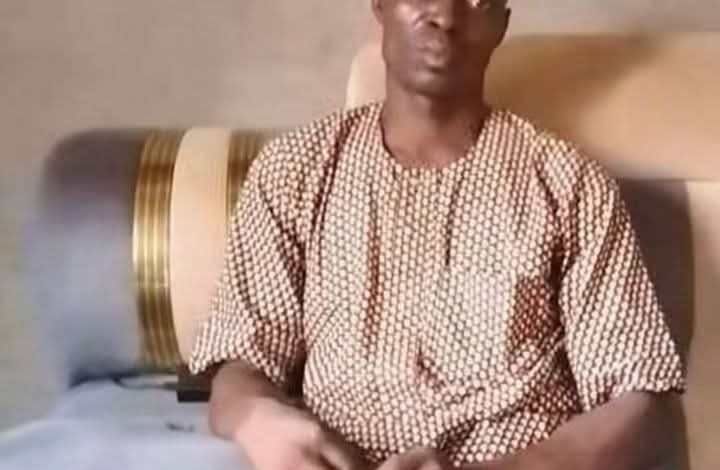
For 56 days, they lived like shadows. Chained. Blindfolded. Begging to be allowed to pee. Moved from one forest location to another in Oyo State. Eating rice with red oil, sometimes without salt. Praying in whispers because the name of Jesus could earn them a beating.
This is the account of Mr. Zacheaus Olatunde, one of the victims of the May 15, 2026 kidnap in Ogbomoso. And according to him, the word “rescue” is a lie. “We were released, not rescued,” he said. The truth, he insists, is gradually coming out.
The forest had rules. Drop your phones. Obey instantly. Don’t pray. The terrorists, he said, were devout. They never missed prayers. They recited Quran. But they also hated the sound of prayer from their captives.
Two men paid for breaking those rules with their lives.
Mr. Michael Oyedokun, a teacher, was killed because of a phone in his pocket. When they got to the forest, the order was clear: drop all phones. He didn’t hear, or he forgot. A terrorist found it. He was slapped. The General Commander declared that if he had not killed anyone yet, he would start with this man for disobedience. The next day, they dragged him away. He was shouting, begging. Then silence. Later, a boy of 17 or 18 came back dancing, singing in celebration.
Deacon John Olaleye died 23 days later, on June 7. The reason given to the captives: military encroachment. “They have warned that military men should not move closer,” Olatunde recalled. They took him away. The others only heard the noise.
Both killings happened out of sight. That was part of the cruelty. You don’t see it, but you hear it. And you are left to imagine, and to blame yourself.
The survivors were kept in a tent, handcuffed for 56 days. Children were among them. When the children erred, the adults were beaten. When they needed the toilet, they had to beg. They were moved constantly. Guns were used to enforce obedience. The food was rice and red oil, often without pepper or salt. Once, there was deer and grasscutter. That was after Deacon Olaleye was killed. Olatunde says the terrorists’ attitude changed after that. And it changed again when they heard that soldiers had abducted some of their own family members.
That was how it ended. Not with a raid. Not with gunfire. But with a bargain.
“They willingly released us,” Olatunde said. The terrorists told them to go because their own families had been taken by the military. They wanted an exchange. Before letting them go, they gave directions: follow this path, you will cross two streams, then you will see soldiers waiting for you. And that is exactly what happened. Soldiers were there to receive them.
To Olatunde, that sequence is “suspicious.” To the families of the dead, it is heartbreaking. A release negotiated with human lives.
In Ibadan, a military commander showed Olatunde pictures on a phone. “Can you identify them?” he was asked. He could identify one. He was told 8 had been arrested and others “neutralized.” He ended his account with a bitter laugh: “Lamba.”
What do we do with this testimony?
First, we mourn Michael Oyedokun and John Olaleye properly. One was killed for a moment of disobedience in a place where disobedience meant death. The other was killed because of the movement of the very forces sent to save them. Both were taken away to die alone, so the others would only hear and live with it. That is not collateral damage. That is execution.
Second, we sit with the detail that cuts deepest: faith was used as a weapon. The captors prayed five times a day. And they beat their captives for praying. They recited Quran and forbade the name of Jesus. For 56 days, men had to hide their God to stay alive.
Third, we ask hard questions about what “rescue” means. If victims are walked to a meeting point by their abductors because of a parallel abduction of the abductors’ families, is that a victory? Are we trading families? Are we creating cycles? The soldiers were waiting. The route was given. The release was conditional. That is not the story we are usually told.
Olatunde ended with gratitude and grief in the same breath: “We thank God that we survived; but we are not happy that Mr Michael Oyedokun and Mr John Olaleye could not come back alive.”
56 days. Two graves. Children who had to be carried across streams because they were too weak to walk. Rice without salt. Prayers said in silence.
The government will call it an operation. The headlines will call it a rescue. But the people who were there are calling it something else: a release.
And until we confront the difference between those two words, we will keep burying teachers and deacons, and keep calling it success.