NGX WEEKLY: MARKET LEADERS CONSOLIDATE, WEAKLINGS GET RE-RATED AS PROFIT-TAKING BITES

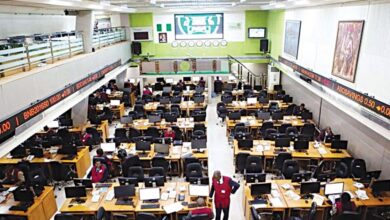
The NGX All-Share Index fell 1.35% to 239,351.16 points in the week ended 21 August 2026, but with a year-to-date gain of 53.81% still intact, the pullback looked more like consolidation than a reversal. Capital Market Operators responded by getting selective. Across seven sectors, the most frequent rating change was to “Hold,” which tells you analysts are no longer chasing momentum. They want fundamentals, liquidity, and dividends before committing new money.
Consumer goods stood out as the clear leader this week. After a long stretch of margin pressure, several big names were upgraded because they have pricing power and brand strength in an inflationary market. PAC Research moved both DANGSUGAR and NESTLE to Buy, with projected returns of 14.14% and 11.62%. ARM went further on PZ, lifting it to Strong Buy on a 20.61% upside. Apel Research also upgraded GUINNESS, NASCON and NB to Buy, while FSDH raised GUINNESS to Hold. The reason is simple: with food inflation at 17.52% and households cutting discretionary spend, investors are gravitating toward companies that sell essential products, can pass on costs, and still pay dividends. DANGSUGAR in particular shows how fast sentiment can turn. It went from Sell to Hold to Buy across different houses in less than a month, a sign that earnings resilience is trumping macro fears for now.
Banking was more divided, but a few names emerged as leaders. FCMB got the strongest upgrade as FSDH moved it from Accumulate to Buy with a 14.22% projected upside. GTCO was lifted from Reduce to Accumulate on a 10.5% upside, while STANBIC and ZENITHBANK were both raised from Reduce to Hold with 9.7% and 7.0% upside respectively. Afrinvest also upgraded ZENITHBANK to Hold. These upgrades focused on banks with stronger capital, better digital income streams, and a track record of dividends. At the same time, PAC Research downgraded FCMB and UBA to Hold on projected negative returns, and Capital Bancorp cut FIRSTHOLDCO to Hold with a -9.24% outlook. The split reflects uncertainty about how high interest rates and falling private-sector credit will affect Q3 earnings. With private-sector credit at just 21.3% of GDP and lending rates above 34%, analysts are only comfortable with tier-1 banks that can protect margins.
Outside banks and consumer goods, MTNN was raised to Buy by Apel Research, and PRESCO was upgraded to Buy ahead of its 27 August dividend. In insurance, AIICO was moved to Buy with a 15.90% projected return and NEM to Hold. These are liquid, dividend-paying counters that fit the cautious mood. The market is rewarding names that can deliver cash returns even if capital gains slow down.
The weaklings were concentrated in oil and gas and industrials, where conviction is thin. ARADEL was the most dramatic example. In one week it got a Buy from Afrinvest with 32.6% upside, a Hold from PAC with a -6.78% outlook, and a Sell from Apel citing broken technical support. That kind of split means the stock is being traded on individual models rather than sector trends. With crude production still constrained and valuations all over the place, ARADEL has become a stock-specific bet, not a sector play. SEPLAT was marginally upgraded to Hold on a 0.4% upside, but the fact that FSDH used the exact same number to downgrade it the previous week shows how little conviction there is. Industrial goods were even quieter. Only BUACEMENT was moved, to Hold on a 0.3% upside. With construction costs high and infrastructure spending delayed, there is simply no catalyst to drive the sector yet.
Some downgrades also point to stocks that ran ahead of fundamentals during the year’s rally. CHAMS was cut from Buy to Hold on a -4.76% projected return. INTBREW was trimmed to Hold. These moves suggest analysts believe the easy gains are gone and investors should take profits and wait for new earnings triggers.
Beyond ratings, two market signals shaped sentiment. Geregu Power confirmed payment of its eighth coupon and part of the principal on its N40.09bn bond, which helped confidence in corporate debt servicing after an earlier default and rating withdrawal. But equity analysts remain cautious. Apel and Lead Capital kept Sell calls on GEREGU, and Afrinvest has it Under Review, so the market wants to see a rating restoration before turning bullish. The second issue is policy-related. A directive to channel about N242bn in unclaimed dividends to the Nigerian Education Loan Fund sparked debate about investor protection, and requests by some banks for extensions to file H1 2026 results — GTCO now has until 30 September — mean earnings visibility is still incomplete.
What this week tells us is that the NGX is maturing after its big rally. The 1.35% decline was not a crash, it was a filter. Money rotated into defensive, dividend-paying consumer goods and selective tier-1 banks, while stocks without clear earnings or cashflow stories were downgraded or left on Hold. The split on ARADEL and the neutral call on BUACEMENT show that sector themes matter less now than company-specific fundamentals.
For investors, the takeaway is straightforward. The broad-based rally of the first eight months is giving way to stock picking. In a high-rate, high-inflation environment, the market will favor companies that can protect margins, generate cash, and pay dividends. Everything else will likely mark time until macro conditions improve or earnings provide a new story.