Naira Holds Firm on CBN’s Tight Policy, Oil Output Gains Boost FX Stability

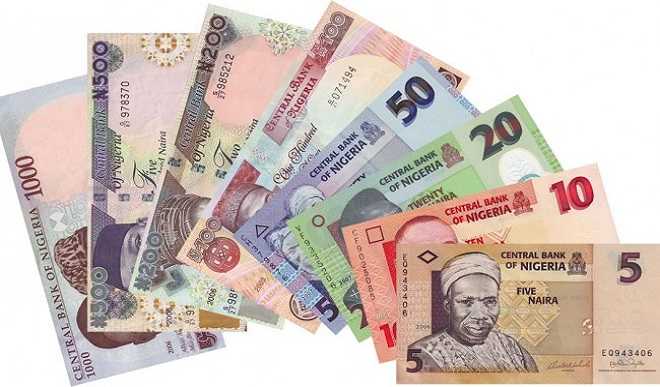
LAGOS — The naira has maintained relative stability in 2026, rebounding from sharp volatility seen in 2024 and early 2025, supported by a hawkish Central Bank of Nigeria and rising crude oil production.
The local currency is now trading below the N1,400/$ threshold, with the official spot rate hovering around N1,370/$. That marks a notable recovery from peaks recorded during last year’s lows. Market watchers expect the trend to hold. Major institutional forecasts, including from the Chartered Institute of Stockbrokers and CFG Advisory, project the naira to trade within a band of N1,350 to N1,520/$ for the rest of the year. Analysts say further appreciation is possible if foreign reserves remain elevated and FX reforms stay on track, though external shocks could still trigger volatility.
Nigeria’s foreign exchange reserves have climbed to about $51 billion, up from $45.5 billion in 2025, giving the CBN more ammunition to defend the currency against speculators. The apex bank has kept a restrictive stance, with the Monetary Policy Rate at 26.67%. While the high-rate environment is constraining domestic credit growth for local firms, it has drawn foreign portfolio inflows chasing high-yield fixed-income assets.
Inflation has cooled from highs above 30%. Institutional projections from PwC, United Capital, and LEAF see it averaging between 15% and 23.8% this year. Base effects and steadier FX pricing are easing cost-push pressures, though household purchasing power remains strained. GDP growth is gradually recovering, with forecasts of 4.0% to 4.4% for 2026 as crude oil output averages about 1.48 million barrels per day.
Analysts say naira stability now depends heavily on consistent oil production volumes, as global prices have softened to around $70 per barrel for Brent. A caveat: much of Nigeria’s past output was sold forward, limiting immediate cash-flow gains from higher production. Still, Nigeria could see faster capital inflows if interest rates ease in advanced economies and investors rotate back into frontier markets with ongoing structural reforms.
Meanwhile, the US Dollar Index advanced on Monday, trading around 101.00 in Asian hours after a flat prior session. The greenback held firm despite easing global inflation pressures, aided by normalized oil shipping through the Strait of Hormuz. Markets are pricing in a 77.3% chance of Federal Reserve rate hikes by year-end, according to the CME FedWatch tool. Currency traders are watching the US ISM Services PMI due later Monday and Wednesday’s release of the Fed’s June policy meeting minutes for clues on the rate path.
Last week’s US labor data tempered bets on a September hike. Nonfarm Payrolls added just 57,000 jobs in June, well below the 110,000 forecast. The unemployment rate unexpectedly dipped to 4.2% from 4.3% in May, but the hiring slowdown points to a broader economic cooldown. Fed Chair Kevin Warsh last week reaffirmed the central bank’s commitment to its 2% inflation target, noting that inflation expectations and risks have begun to decline over the past month.