
Fidelity Bank: Hungry for Tier-1, Fed on Tier-2 Calories

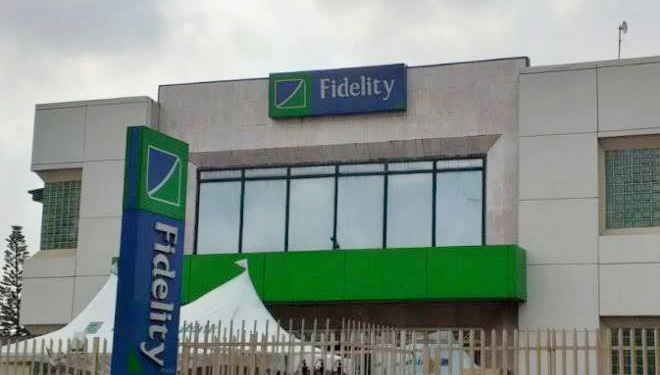
Fidelity Bank wants to be called tier-1 so badly it can taste it. It acts tier-1, talks tier-1, and prices its ambition in tier-1 press releases. The market looks at the balance sheet, the ROE, the brand, and the street presence, and quietly prices it tier-2. That gap between appetite and outcome is the story of Fidelity in 2026. It is the hungriest bank outside the Big FUGAZ circle, but hunger is not capital, and ambition is not scale.
The hunger is real and visible. Fidelity has spent the last five years on a forced march to relevance. It recapitalized early and aggressively, beating the CBN’s 2024 deadline and arming itself for acquisition hunts. It bought Union Bank UK to plant a flag in London, not because the deal moved the needle on earnings, but because tier-1 banks have London subsidiaries. It pushed retail like a fintech, grew deposits faster than most tier-1 peers, and plastered “True Serve” across billboards from Lagos to Onitsha. When the big banks posted FX gains in 2023-2024, Fidelity posted them too, then used the optics to whisper “we’re one of them.” Management has done everything a textbook says you do when you want a re-rating. Expand assets, buy optionality, show up in the right rooms. The problem is that tier-1 is not a costume. It is a cost structure, a risk engine, and a moat. Fidelity rents the look. It hasn’t bought the fundamentals.
The first reason the dream stays a dream is scale, and scale that matters. Tier-1 in Nigeria means you can lose ₦100bn on oil and gas and not call a board emergency. It means your deposit base is so sticky that CBN debits don’t give you heartburn. It means your name alone gets you into syndicated loans without pleading. Fidelity is still not there. Its balance sheet has grown, yes, but it grows by fighting for every naira against GTCO, Zenith, and Access. Tier-1 banks defend. Fidelity attacks. That is tier-2 behavior with tier-1 delusion. The Union Bank UK acquisition proves the point. It was cheap, strategic, and bold. It also added complexity and regulatory exposure without adding material earnings. Tier-1 banks buy to dominate. Fidelity buys to belong.
The second reason is earnings quality. Fidelity’s 2024-2025 numbers looked heroic because everyone’s did. Float the naira, book revaluation gains, ride yield curve, print profit. Strip that out and you see a bank still dependent on interest income from a loan book that competes in the same crowded middle market as FCMB and Stanbic. Non-interest income is growing, but it is not GTCO’s payments machine or Access’s African fees. It is transaction charges and forex trading — cyclical, not structural. Markets forgive tier-1 banks for lumpy earnings because their deposit franchise bails them out. They punish Fidelity for the same lumps because its funding is still pricey and less stable. A tier-1 bank’s cost of funds is a weapon. Fidelity’s is still a tax.
The third reason is perception, and perception trades at a discount. Brand matters in Nigerian banking more than analysts admit. When corporates pick a lead arranger, when state governments pick a salary bank, when multinationals pick a cash manager, they pick names that feel “too big to fail.” Zenith has that aura. UBA has that pan-African passport. Access has the sheer asset size. Fidelity has effort. It wins mandates, but it wins them by pricing, not by pull. It is the bank you use when the tier-1 banks are busy or expensive. That is not tier-1. That is “best of the rest,” and the market knows the difference. Until Fidelity can walk into a room and be the default, not the alternative, the multiple will stay tier-2.
The fourth reason is risk, and the kind of risk tier-1 banks can underwrite without sweating. To be tier-1 you must bank oil majors, power plants, and federal roads and sleep at night. Fidelity has grown its corporate book, but it still leans heavily on mid-market names that get ill when rates hit 30%. Its NPL ratio is decent today, but decent today in Nigeria is a lagging indicator. The real test is whether Fidelity can survive a sector blow-up — telecoms, power, manufacturing — and keep lending. Tier-1 banks have the capital and the diversification to do that. Fidelity has the capital on paper. It has not proven the diversification under stress.
So why does the dream persist? Because the alternative is to accept a ceiling, and no ambitious bank does that. Fidelity’s management sees GTCO’s valuation and wants it. It sees Access’s pan-African swagger and wants it. It sees Zenith’s aura and wants it. So it copies the motions: capital raises, UK office, digital campaigns, aggressive guidance. But tier-1 is not a set of motions. It is an outcome of 20 years of compounding trust, low-cost deposits, and balance-sheet fortitude. You cannot sprint into it. Wema proved you can re-rate by picking a narrow digital lane and owning it. Fidelity is trying to re-rate by becoming a smaller version of Access. The market doesn’t pay tier-1 multiples for clones. It pays them for kings.
The path from dream to reality would require Fidelity to do what it has avoided: choose. Either become Nigeria’s undisputed middle-market and commercial bank and price that leadership, or shrink the ego, sell the UK vanity, and become a high-ROE regional specialist. Tier-1 banks are not generalists. They are monopolists in something. Zenith owns corporate Nigeria. GTCO owns efficiency. UBA owns African corridors. Access owns scale. Fidelity owns ambition. Ambition is not a moat. Until Fidelity turns its hunger into a monopoly on a segment the big banks don’t want, it will keep printing tier-1 press releases and tier-2 valuation. The dream stays a dream because dreams don’t file CAC returns. Balance sheets do. And Fidelity’s balance sheet, for all its progress, still reads like a bank that wants to be invited to the table, not one that owns it.