Adams Oshiomhole: The Agitator Who Never Left the Factory Floor

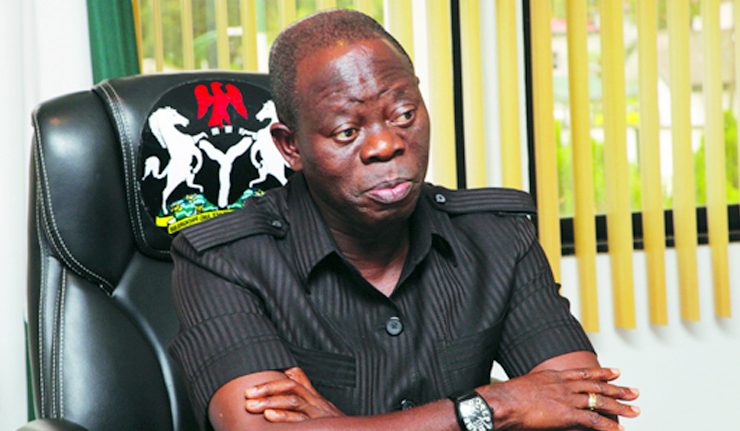
You can put Adams Oshiomhole in the Red Chamber, but you can’t take the megaphone out of his hand. In May and June 2026, he did what few senators dare. He told the Senate to “compel by force” any NNPCL chief who dodges audit questions over a staggering N210 trillion flagged by the Auditor-General. Days later, after another round of xenophobic attacks on Nigerians in South Africa, he demanded Nigeria hit back where it hurts — revoke DSTV and MTN licences, take over their assets, and let citizens boycott. Colleagues rebuked him for calling NNPCL officials “a bunch of criminals and thieves.” He didn’t flinch. That is Oshiomhole’s method. Confrontation first, apology never. From textile union halls to Government House to APC chairman to the Senate, he has governed like a man who still believes power only listens when you shout.
The DNA is pure Nigeria Labour Congress. Between 1999 and 2007, Oshiomhole shut down the country over fuel hikes and turned strikes into national votes on legitimacy. In the Senate, the placards are gone but the pressure politics remain. The NNPCL fight isn’t just about missing trillions. It is about dragging a company used to secrecy into the glare of public accountability. “Nobody is bigger than the country,” he warned, and the line carried because Nigerians have heard him say it for 25 years — to presidents, governors, and now oil executives. He picks language that leaves the committee room and lands on Facebook, Channels TV, and street corners. For Oshiomhole, a hearing is useless if the public can’t hear it.
His call for economic retaliation against South Africa shows the same instinct scaled up. As NLC president he fought privatisations that threatened jobs. As party chairman he purged governors he said betrayed the base. Now he treats DSTV and MTN as leverage in a diplomatic brawl. “This is the time to show commitment to our citizens,” he said on May 5, 2026, urging boycotts and licence seizures. To free-market purists it sounds like sabotage. To Oshiomhole it is self-respect. If mobs in Johannesburg won’t be stopped by notes verbale, then maybe balance sheets in Lagos will. It is the union playbook applied to foreign policy: when the system won’t protect your people, disrupt the system.
That habit of personalizing failure is what makes colleagues uncomfortable and what makes him effective. He doesn’t file quiet memos when NNPCL officials skip hearings. He makes it a moral spectacle. He doesn’t wait for the Foreign Affairs Ministry after attacks abroad. He names companies and writes the sanctions himself. The Senate disowned his NNPCL remarks on June 11, 2026, but it still debated the audit. Oshiomhole forces issues out of jargon and into stories Nigerians understand — stolen money, ignored summons, citizens under attack. In a political culture that hides behind process, he provides a translation, even if the volume breaks the rules of the chamber.
The contradiction is that the lifelong outsider is now deep inside. He fought government as NLC chief, then became government in Edo. He railed against imposition, then imposed discipline as APC chairman. Today he attacks NNPCL while his party runs the executive that supervises it. Is it opportunism or consistency? His answer would be simple: the target changes, the fight doesn’t. He goes after whatever institution he thinks is betraying the “common man.” Sometimes that is a president. Sometimes it is a multinational. Sometimes it is his own party’s appointee.
His current moves are also political positioning. By taking on NNPCL, he plugs into public rage over corruption and hardship. By threatening South African firms, he rides a wave of nationalism that cuts across class and region. Like Tinubu’s subsidy gamble, it is high-risk and high-visibility. If the NNPCL probe yields recoveries, he becomes the senator who forced the books open. If a hard line makes Pretoria blink, he claims credit for protecting Nigerians with economics, not communiqués. If both fail, he still owns the one thing most politicians avoid: the reputation for saying it out loud.
Oshiomhole’s leadership comes down to four traits. Moral certainty that frames every dispute as good versus bad. Media instinct that turns oversight into narrative. Tolerance for conflict that treats rebuke as proof he’s over the target. And a belief, forged on factory floors, that pressure is the only language power respects. The Senate may censure him, but it cannot ignore him. Because in a country weary of silence, he still understands the old labour truth. People will listen to a whisper, but they will follow a fight. And Adams Oshiomhole has never stopped starting them.