

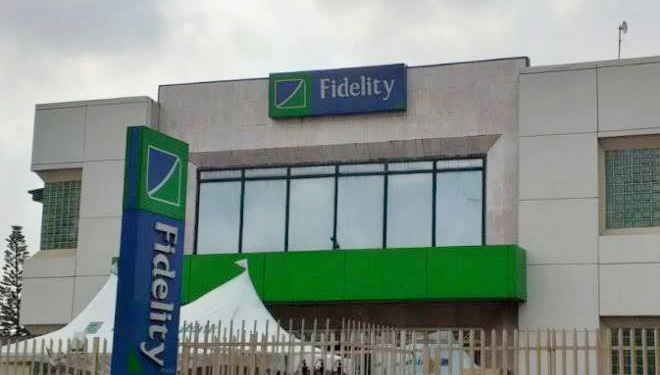
Fidelity Bank closed May 29, 2026 at NGN 21.20, down 1.85% on the day and extending a sharp two-day drop that erased nearly 11% of its value. The stock fell 9.05% on May 26 alone, from 23.75 to 21.60, on 13 million shares. That selloff interrupted what had been a respectable 2026: Fidelity opened the year at NGN 19.00 and is still up 11.6% YTD, ranking 87th on the NGX. But the recent volatility exposes the fragility of mid-tier bank rallies in a market dominated by tier-1 momentum. From May 15 to May 25, Fidelity climbed from 22.30 to 23.75, before giving back almost all of that gain in 48 hours.
Liquidity is not the issue. Fidelity is the 10th most traded stock on the NGX over the last three months, with 1.81 billion shares changing hands in 62,533 deals worth NGN 37.8 billion. Average daily volume is 28.8 million shares, valued at NGN 600 million. May 22 was the outlier: 198 million shares traded as the stock held at 23.50, suggesting a block deal or institutional repositioning before the slide. The wide range — 4.33 million on March 12 to 198 million on May 22 — points to event-driven trading rather than steady accumulation.
The YTD league table is brutal for mid-tiers. Ecobank +132%, Zenith +112%, GTCO +51.1%, First HoldCo +46.1%. Then a gap: Access +14.5%, Fidelity +11.6%, UBA +6.84%. Fidelity is ahead of FCMB’s -2.9% and UBA, but well behind the banks with scale, FX exposure, and index weight. With a market cap implied around NGN 1.34 trillion from earlier competitor tables, Fidelity sits below the NGN 5T tier of Zenith/GTCO and even Access’s NGN 1.31T. In 2026’s NGX, size is driving multiple expansion. Fidelity has “true serve” branding and a Victoria Island HQ, but not the balance sheet to ride the same rerating.
Nigerian banking is rewarding capital strength, USD asset exposure, and low cost of funds. Regulatory recapitalization pressure favors big banks. Mid-tiers must either grow earnings faster or accept lower multiples. Fidelity’s capability is retail reach and SME lending. That’s valuable, but not scarce — Access, Zenith, and GTCO all have deeper tech stacks and cheaper deposits. The May 22 volume spike that failed to hold price suggests limited buy-side conviction at 23.50. Retail investors like the liquidity and NGN 20 price point. But institutional flows are chasing ETI, Zenith, and GTCO. The 9.05% single-day drop shows how quickly sentiment can reverse when big holders exit.
Fidelity Bank is a liquid, recognizable name with a positive YTD return. Yet it’s caught in the middle — too big to be a speculative small-cap, too small to capture tier-1 flows. The 11.6% gain beats inflation and FCMB, but lags the market leaders by 40-120 percentage points. To close that gap, Fidelity needs a catalyst beyond volume: stronger ROE, a recapitalization plan that doesn’t dilute heavily, or digital cost wins that improve margins. Until then, it remains a trading stock with beta to NGX sentiment. The late-May selloff is a reminder: in 2026, Nigerian bank investors are paying for scale, and Fidelity is still proving it belongs in that conversation.