
For over 40 years, the Mambilla hydropower project has promised Nigeria 3,050 megawatts of light. What it has delivered instead, according to a September 16, 2026 ICC final award, is a decades-long bazaar of money, family and influence. In that award, the tribunal did not just dismiss Sunrise Power’s $400 million claim against Nigeria, it described its founder Leno Adesanya as personally responsible for a campaign of bribery and corruption, detailing how he moved cash through offshore shells like China Castle and Lutin Investments, through his assistant Jide Sotinrin, and into the households of the very officials who held Mambilla’s keys.
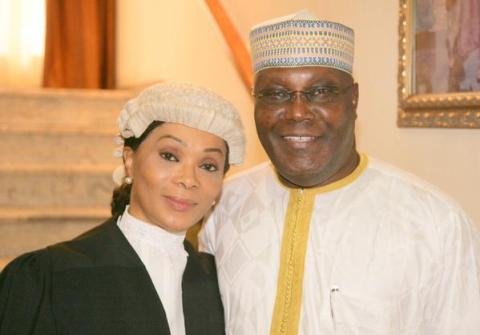
It started early. On January 30, 2003, China Castle wired $500,000 from Switzerland to Jennifer Douglas Abubakar, then wife of Vice-President Atiku Abubakar, at her US Citibank account. At that time, Atiku had led a July 2002 delegation to China that produced an MoU on Mambilla and Adesanya was lobbying hard. Less than four months later, then Power Minister Olu Agunloye issued the May 22, 2003 letter Sunrise would later use as its award letter. Adesanya said it was a bureau-de-change deal via Moneyline Ventures, but the tribunal found no licence, no FX paperwork, and that China Castle, not Moneyline, sent the money despite having no forex business. Because no testimony came from Atiku or Douglas and Adesanya’s story kept shifting, the tribunal rejected the explanation. Still, it stopped short of calling it a proven bribe, saying it could not find that Atiku exercised power to award the contract, but that it could not exclude a connection either.
Meanwhile, 16 years later when that 2003 letter was under attack, Agunloye himself received money. In 2019, precisely when Nigeria formally challenged the letter’s validity, Adesanya routed N5.2 million to Agunloye in three tranches through his assistant. Adesanya said it was community money for medical expenses and that his own accounts were frozen. Yet the tribunal found no medical bills, no proof of community contributions, no proof of frozen accounts, and no reason why a transfer from Senegal could not be done directly. It made a critical point that a bribe does not stop being a bribe because it is spent on a hospital. Again it found serious red flags and a possible link to Agunloye’s potential testimony, but no conclusive link to the 2003 letter because of the long gap.
Furthermore, the pattern became more brazen around the 2012 settlement era. Abdullahi Yola, former Solicitor-General who signed the 2012 General Project Execution Agreement for Sunrise, retired and 13 days later, on November 23, 2015, Lutin Investments paid N10 million to his former clerk Vincent Awaji for Yola’s benefit, which was then shared to entities including a company linked to Yola’s son. Adesanya first called it a loan for house renovation and a law chamber repayable by legal services, then called that an error, then revived it under cross-examination. Yola told the EFCC he never asked for a loan and never gave any legal services. Their stories also clashed on whether the house needed renovation or general upkeep and whose idea it was to use a third-party account. For the tribunal, the amount exceeding Yola’s annual salary, the routing through a clerk, and the timing after an agreement that hugely benefited Sunrise were red flags that were not neutralised, with clear official acts in view.
In the same vein, the tribunal traced N25.01 million between May 2015 and January 2016 to Tola Awosika and his company, son of Dere Awosika who was Permanent Secretary in the Ministry of Power during the 2012 GPEA. Adesanya branded it a restaurant investment for his daughters who were friends with Tola, but he changed how they met from same school to mother’s office to same social circle in England, and could not explain why he funded it but put it in his daughters’ names while taking some dividends himself. Though share allotments and dividends from 2016 to 2023 gave it some business cover, the tribunal said the absence of a credible explanation and the mother’s official position raised serious red flags.
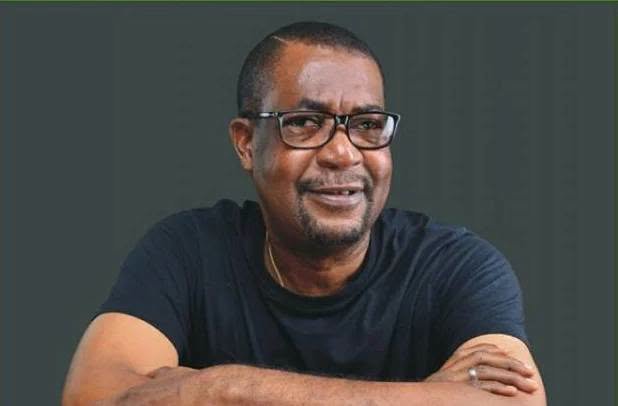
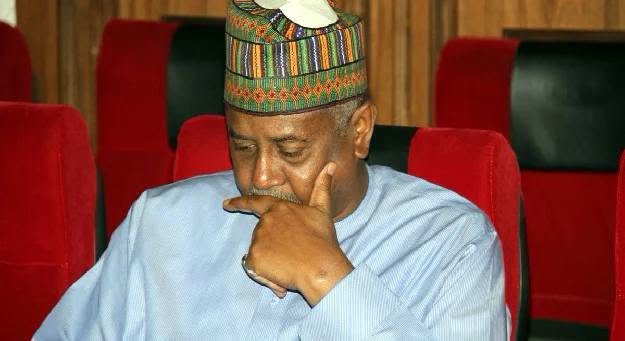
However, the largest cash movement was the $1.74 million Sunrise sent on December 16, 2014 to Abubakar Dasuki, son of then National Security Adviser Sambo Dasuki. Adesanya said it was a loan for a quarry to service Mambilla, yet he could not produce any loan agreement, first saying EFCC took it, then conceding it probably never existed, and the loan was missing from Sunrise’s accounts. Abubakar said it was for personal matters and a quarry, but bank records showed school fees, aircraft charters and $850,000 to the Bob Oshodin Organisation, with nothing spent on quarry equipment. Added to that, Adesanya had in October 2013 incorporated Hydropower Investments Limited in the British Virgin Islands with Sambo Dasuki’s three children as shareholders and a plan for 10 million Sunrise shares. The tribunal called that offshore creation a serious red flag and, while finding no concrete evidence Sambo Dasuki intervened in the GPEA, said the loan excuse was unconvincing and a payment for influence could not be excluded.
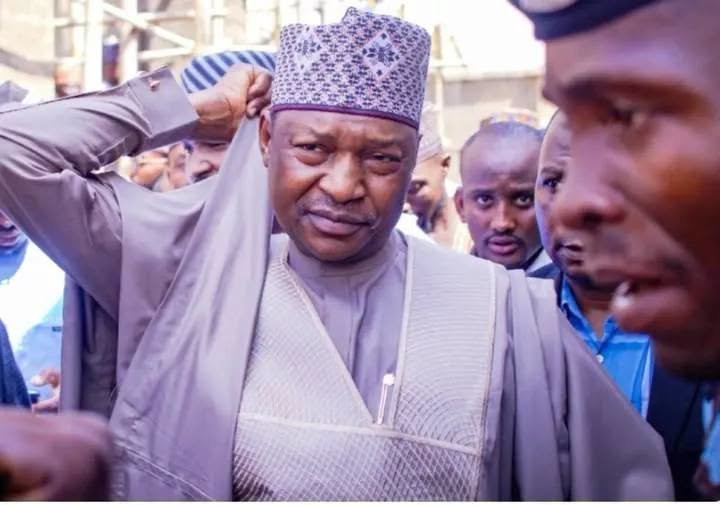
Nevertheless, the tribunal reserved its only definitive corruption finding for the 2020 settlement. In January 2020, former Attorney-General Abubakar Malami and then Power Minister Saleh Mamman signed a $200 million settlement for Sunrise, and a March 2020 addendum split it into two $100 million tranches and exposed Nigeria to an extra $200 million default, a $400 million liability. Adesanya claimed they demanded 50% as bribe and that Nigeria would pay first then release the second after he did what is needed, and said he had recordings. When ordered to produce them he refused citing safety and said he never would. The tribunal drew an adverse inference that a man cleared by tapes does not hide them, and noted the addendum’s structure mirrored his description of the bribe demand. It therefore found a corrupt deal between Adesanya and Malami for a share of the settlement, possibly up to $100 million, in return for Malami committing Nigeria to the addendum, making the settlement and addendum unenforceable products of corruption. No money was eventually paid because President Buhari refused approval, but the tribunal said a promised benefit is still corruption. It made no similar finding against Mamman because the withheld recordings were the only direct evidence.
Ultimately, the award shows why Mambilla remains Nigeria’s most controversial power story. The tribunal rejected some claims, finding no link for $107,113 received by justice official Zacchaeus Adeyanju, no evidence against Oben Ogar, and that flights and a £5,000 cash for Mamman’s aide Tanko Yusuf were not proven as bribes. Yet it ordered Sunrise and Adesanya to pay Nigeria $11.82 million in legal fees and $414,125 in arbitration costs, dismissing both Sunrise’s claim and Nigeria’s damages counterclaim. The dirty deals controversy therefore is no longer whether money moved, but how a project that never lit a single home lit up so many private accounts instead.