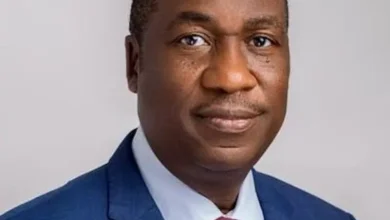

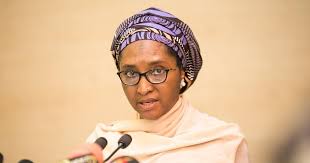
Despite the recent disclosure by Mrs. Zainab Ahmed, Nigeria’s Minister of Finance, Budget, and National Planning that the government had secured a World Bank facility worth US$800m as the first tranche of palliatives for about 50m Nigerians who fall into society’s most vulnerable group ,some analysts still believed the palliative scheme would fail because it provides no plausible solution for most Nigerians who face a high cost of living.
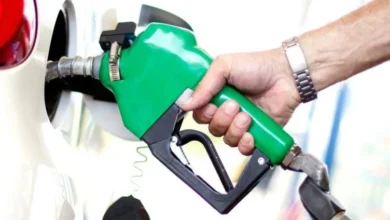
Meanwhile, with public opinion favouring subsidy removal, the question of how and what palliative measures would be effective remains. Mrs. Zainab Ahmed, Nigeria’s Minister of Finance, Budget, and National Planning hinted that the federal government was in discussions with the incoming administration about the modalities for removing fuel subsidies by the middle of the year. Analysts believe the government’s refusal to begin a phased removal of the subsidy in 2022 leaves one option: the removal of the subsidy after the Port Harcourt and Dangote Refineries become operational. There are two problems with Nigeria’s petrol subsidy regime. First, it encourages corruption and price differentials, which distort supply and cause periodic shortages. Furthermore, overspending and a lack of innovative revenue streams have made petrol subsidies the culprit of the country’s poor government revenue