NGX Hits 50% YTD as N3.17trn Wealth Is Created — What The Numbers Are Really Saying

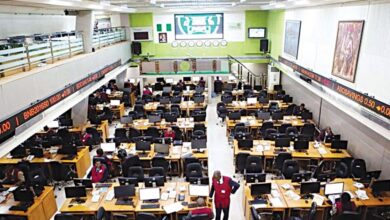
The Nigerian equities market opened the week on a strong note, with Monday’s session confirming that the bull run of 2026 is not slowing down. The NGX All-Share Index gained 2.15% to close at 234,178.23 points, and in the process pushed the market’s year-to-date return to 50.49%. That half-century mark is important psychologically. It tells both local and foreign investors that the NGX has moved from a “recovery market” into a full-blown growth market in just six months. The immediate impact was on investor wealth, which jumped by approximately N3.17 trillion in one day. That scale of wealth creation shows how much capital has returned to the market and how confident participants now feel about Nigeria’s listed companies.
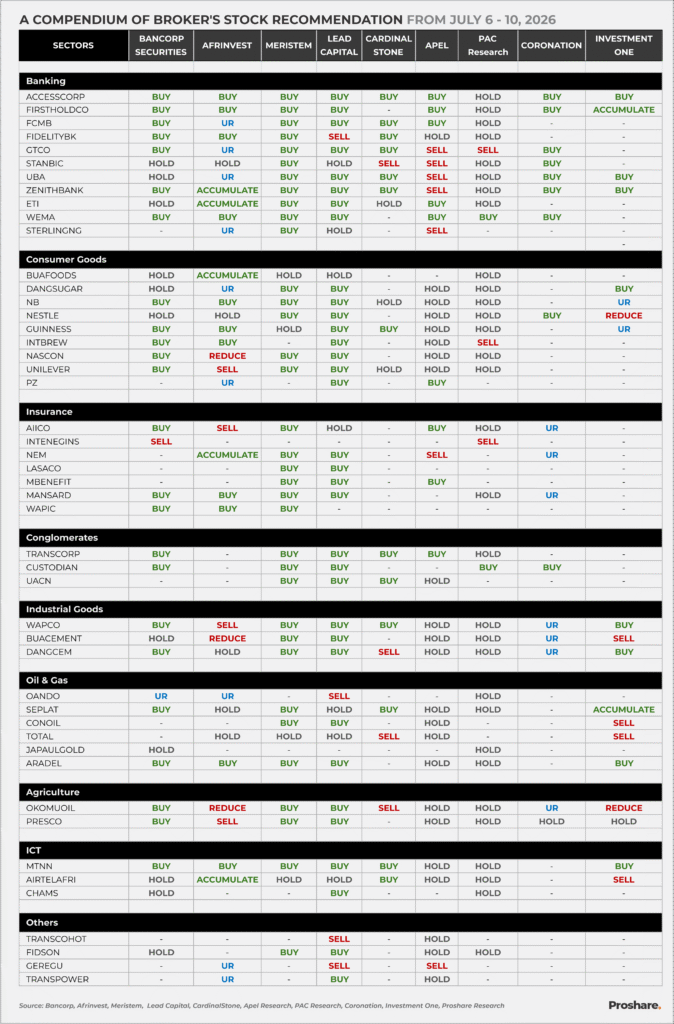
Banking and industrial stocks are leading this rally, and that is significant. The biggest movers on Monday were FIRSTHOLDCO and WEMABANK, both up 10%, followed by ARadel +9.99%, NGXGROUP +9.96%, DANGCEM +8.08% and WAPCO +7.53%. Tier-1 banks like GTCO, ACCESSCORP, UBA and FIDELITYBK also posted solid gains. This pattern tells us two things. First, Capital Market Operators and institutional investors are still treating banks as the safest proxy to play Nigeria’s macro story because of their liquidity, earnings visibility, and benefit from high interest rates. Second, the strong showing in cement and building materials points to expectations of increased government and private infrastructure spending in H2 2026. When both financials and real-economy stocks move together, it usually means the market believes growth is broadening beyond just one sector.
Market breadth and trading activity support the idea that this is broad-based confidence, not a narrow rally. With 55 gainers against only 12 decliners, the advance was spread across the board. Total traded volume rose by 18.41% to 454.86 million units valued at N38.69 billion. ZENITHBANK was again the most active stock by both volume and value, accounting for N9.77bn or 25% of total value traded. The fact that investors are putting real money into liquid names suggests foreign portfolio investors and large domestic funds are involved. They typically avoid illiquid stocks. The strong volumes also mean the rally has real backing and is not just driven by low-float price moves.
The FX market gave the equities rally an extra tailwind. The BDC rate closed flat at N1,400/USD while the official NFEM rate appreciated slightly to N1,368.27/USD. Stability in the exchange rate is critical for this market because it reduces the risk of earnings erosion for multinationals like MTNN, NB, and DANGSUGAR that report in naira but have dollar costs. It also makes Nigeria more investable for foreign funds who were previously scared off by FX volatility. A flat BDC rate suggests demand and supply are balanced for now, and the marginal appreciation in the official window signals that CBN interventions and improved dollar inflows are having some effect.
Outside the NGX, the picture was mixed, which highlights where liquidity is concentrated. The NASD OTC market declined 1.63% with very thin trading of just N2.76m across 18 deals. That contrast shows that all the risk appetite is currently sitting in the main exchange. In commodities, the AFEX ACI rose 7.51% driven by Cocoa +3.42%, while Maize fell 1.47%. Globally, Brent crude held steady at $72.10 despite OPEC+ agreeing to raise output from August, because Saudi Arabia cut official selling prices. Gold and Silver pulled back, which often happens when investors rotate from safe havens into risk assets like equities — another sign of improved global sentiment.
What does all of this mean going forward? The 50% YTD return means valuations are no longer at 2025 distressed levels. Investors will now start to be more selective and will focus on companies that can actually deliver the earnings to justify these prices. The market is clearly pricing in strong Q2 results, especially from banks, and continued stability in FX and fuel prices. If those expectations are met, the index could push toward 240,000 points in July. But the risk is also higher now. Any surprise in inflation, FX, or policy could trigger profit-taking because the market has run hard and fast.
In summary, Monday’s session was about confidence. Confidence in banks, confidence in big industrials, and confidence that the macro environment is stable enough to keep capital in equities. The N3.17trn gain is not just paper profit — it reflects real repositioning by investors who believe the second half of 2026 will be better than the first. For now, the bulls are in control, but the next phase will be about earnings delivery.
Disclaimer: This is an analysis of market data and not investment advice. Investors should seek professional advice before making decisions.