MARKETS START SEPTEMBER ON A STRONGER FOOTING, BUT THE REAL TEST IS WHAT COMES NEXT


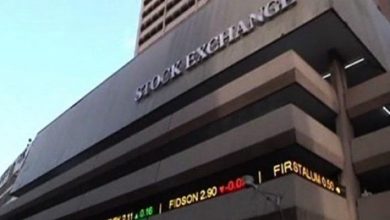
Nigerian equities opened September with their broadest rally in weeks. The NGX All-Share Index climbed 1.20% to 244,199.39 points and investors gained about N1.91 trillion in market value. Market breadth was healthy at 43 gainers to 16 decliners, with banks leading the charge after a 3.11% rise. Industrial goods lagged, slipping 0.65%. Beyond the headline numbers, there was real corporate news to back the mood: PZ Cussons reported earnings, Pivot Energy’s N100 billion commercial paper was oversubscribed, and Access Holdings got approval for its accounts. The naira also firmed, with the NFEM rate strengthening to N1,332.94/$1 and the average BDC rate to N1,395/$1. It was a good start to the month, but whether it lasts will depend less on sentiment and more on policy, liquidity, and how growth actually reaches households.
That context matters because the real economy is also picking up speed. Real GDP growth accelerated to 4.43% in Q2 2026 from 3.89% in Q1. Agriculture grew 4.39% and services 4.60%, while crude output rose to 1.72 million barrels per day. The problem is in the mix. Industry slowed sharply to 3.96% from 7.46% a year ago. A services- and farm-led expansion is good for jobs and consumption, but without stronger manufacturing, it is harder to create the kind of formal, high-productivity employment Nigeria needs. We also saw record remittances of $947 million in July, which helps FX liquidity and supports the naira’s gains. At the same time, transmission outages, large volumes of unbilled electricity, and weak collections by DisCos show that infrastructure bottlenecks are still blocking growth from translating into lower costs for businesses and families.
Regulation is now the biggest swing factor for markets. A Federal High Court stopped the NMDPRA from enforcing its August 24 suspension of loading and truck-out at the Dangote Refinery within the Lekki Free Zone. The case is adjourned to September 9, and how it is resolved will signal how predictable the downstream oil sector will be. On the capital market side, the SEC’s positive review of T+1 settlement improves Nigeria’s chances of returning to the FTSE Frontier Market index, which could bring in fresh foreign flows. But uncertainty lingers around Petroleum Industry Act implementation, offshore levies, and the new model PPP agreement. Investors are watching for consistency and enforceability, not just new rules on paper.
The external environment is getting tougher too. Brent crude traded above $91, which is good for government revenue but bad for import costs. The US 10-year Treasury yield is near 4.78%, making foreign borrowing more expensive and raising the risk of imported inflation and higher freight rates. Domestically, NNPCL raised petrol prices to N1,345 per litre in parts of Abuja. That feeds directly into transport, food, and operating costs for small businesses, and it could erode some of the optimism from the GDP print.
So what should investors and businesses watch this week? First, whether the equity breadth holds. A rally led by banks is encouraging, but it needs to broaden to consumer goods and industrials to be sustainable. Second, the naira. Gains are welcome, but they need to be supported by more than remittances — exports and foreign investment matter too. Third, the N700 billion Treasury-bill auction. Government borrowing costs will set the tone for yields across the market. Fourth, whether stronger GDP actually filters into industry and jobs, not just trading volumes. And finally, regulatory clarity. Markets have the infrastructure and external buffers now. What they need is confidence that rules will be applied fairly and predictably.
In short, September began with momentum. Valuations still matter, and so does discipline. The combination of better GDP, a stronger naira, and improved market infrastructure gives Nigeria a real opening. Converting that into sustained investment will depend on fixing power sector liquidity, following through on regulatory reforms, and making sure growth shows up where it matters most — in factories, on farms, and in household incomes.