The Union Bank Saga: A Web of Controversy and Unanswered Questions

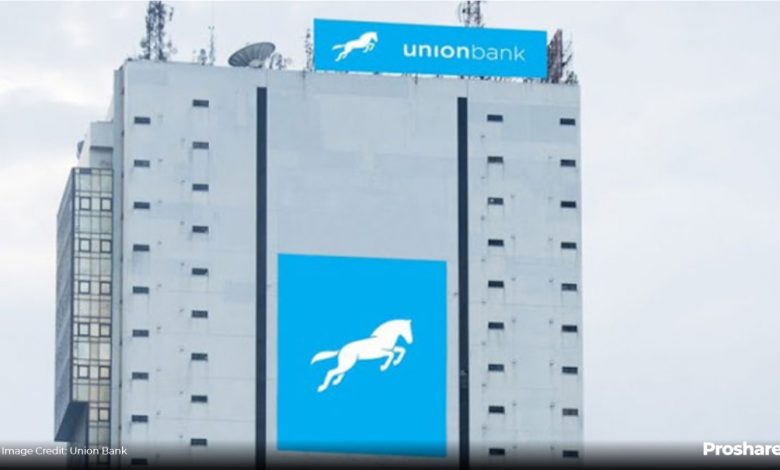
The developments surrounding the controversial status of the Union Bank Nigeria have continued to raise more questions than answers, leaving Nigerians wondering about the true ownership of the bank and the role of regulatory authorities in the saga. The bank’s tumultuous history, marked by changes in ownership and allegations of financial impropriety, has culminated in the federal government’s takeover of the institution.
The controversy began when Atlas Mara, a former investor, sold its significant stake in Union Bank to Titan Trust Bank (TTB) in 2022. The deal, which made TTB the majority shareholder, was followed by a mandatory takeover offer and the delisting of Union Bank from the Nigerian Stock Exchange. However, the Special Investigator, Jim Obazee, raised concerns about the financial capacity of TTB to acquire the bank, leading to an investigation into the ownership structure and funding of the acquisition.

The investigation revealed that Cornelius Vink and Rahul Savara, the purported owners of TTB, had refused to cooperate with the investigation, citing medical and family reasons for their absence. Tunde Lemo, the chairman of TTB, had voluntarily forfeited his equity in the bank and proposed that the government take over Vink and Savara’s shareholdings if they failed to appear before the investigating team.
The federal government’s takeover of Union Bank has sparked controversy, with many questioning the motives behind the move. The appointment of a new board and management team has also raised eyebrows, with some wondering if they are proxies for the ousted owners or if they serve the interests of the government.
The Central Bank of Nigeria (CBN), which is expected to ensure stability and transparency in the financial sector, has been criticized for its handling of the situation. The apex bank’s role in the investigation and takeover of Union Bank has been questioned, with some accusing it of being complicit in the controversy.
The CBN’s directive on capital raise, which closes in March 2026, adds another layer of complexity to the situation. Nigerians are demanding to know who will recapitalize the bank and what the implications are for the economy.
The Union Bank saga highlights the need for transparency and accountability in Nigeria’s financial sector. The government’s takeover of the bank, while intended to protect depositors’ interests, raises concerns about the rule of law and the protection of property rights.
As the situation unfolds, Nigerians expect answers to the many questions surrounding the true ownership of Union Bank and the role of regulatory authorities in the controversy. The government must ensure that the investigation is thorough and transparent, and those found culpable are brought to justice.
The Union Bank saga is a test of Nigeria’s financial system and the government’s commitment to combating corruption. The outcome will have far-reaching implications for the economy and the country’s reputation as a destination for investment.
Union Bank’s Tightrope Walk: Can It Survive the Recapitalization Deadline?
Union Bank’s future hangs in the balance as it navigates a complex web of legal disputes and recapitalization efforts. The bank’s expected resolution of a lingering legal dispute with TGI Group by January 2026 leaves a narrow window to complete its capital restructuring, sparking uncertainty about its survival.
The Central Bank of Nigeria’s (CBN) openness to foreign strategic investors has attracted interest from a consortium from the United Arab Emirates (UAE). However, the bank’s ability to meet the March 31, 2026, recapitalization deadline remains uncertain. The pressure is mounting, and Union Bank’s next moves will be crucial in determining its fate.
Resolving the TGI Group legal dispute is just the first hurdle; the bank must then complete its capital restructuring, a process that requires precision and speed. The CBN’s recapitalization requirements are stringent, and any misstep could prove costly. Attracting foreign strategic investors is a viable option, but it’s a double-edged sword – while it could provide much-needed capital, it also means ceding control and potentially altering the bank’s identity.
Union Bank’s 108-year legacy is at stake, and its ability to navigate these challenges will be crucial to its survival. The bank’s management must tread carefully, balancing the need for capital with the imperative to protect its interests and those of its stakeholders. The clock is ticking, and Union Bank’s future hangs precariously in the balance.