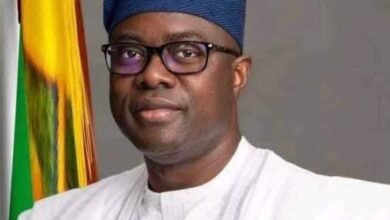
The Catholic Bishops Conference of Nigeria held at St Benedict Catholic Diocese, Popo, Osogbo on September 14, 2026 should have been about faith and governance. But the presence of Osun State Deputy Governor, Prince Kola Adewusi, former Deputy Governor Senator Iyiola Omisore, and Commissioner for Information, Oluomo Kolapo Alimi, Esq. at the same event turned it into another talking point in Osun’s already heated politics. The reason is simple: the August 15, 2026 governorship election is barely a month old, the APC candidate lost, and fingers are still being pointed. And one name keeps coming up — Senator Iyiola Omisore.
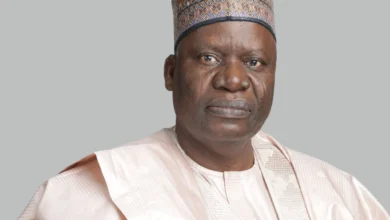
Since the election, a strong narrative has emerged within APC circles in Osun that Omisore did not pull his weight. As a former National Secretary of the APC and one of the most prominent political figures from Ifeland, expectations were high that he would deliver his base and coordinate the party’s structure. Instead, APC performed poorly in Ife and Osun Central, areas where Omisore’s influence is supposed to count. Critics within the party argue that turnout was low, mobilization was weak, and the internal machinery looked confused. For many foot soldiers who campaigned, that was the first sign of betrayal.
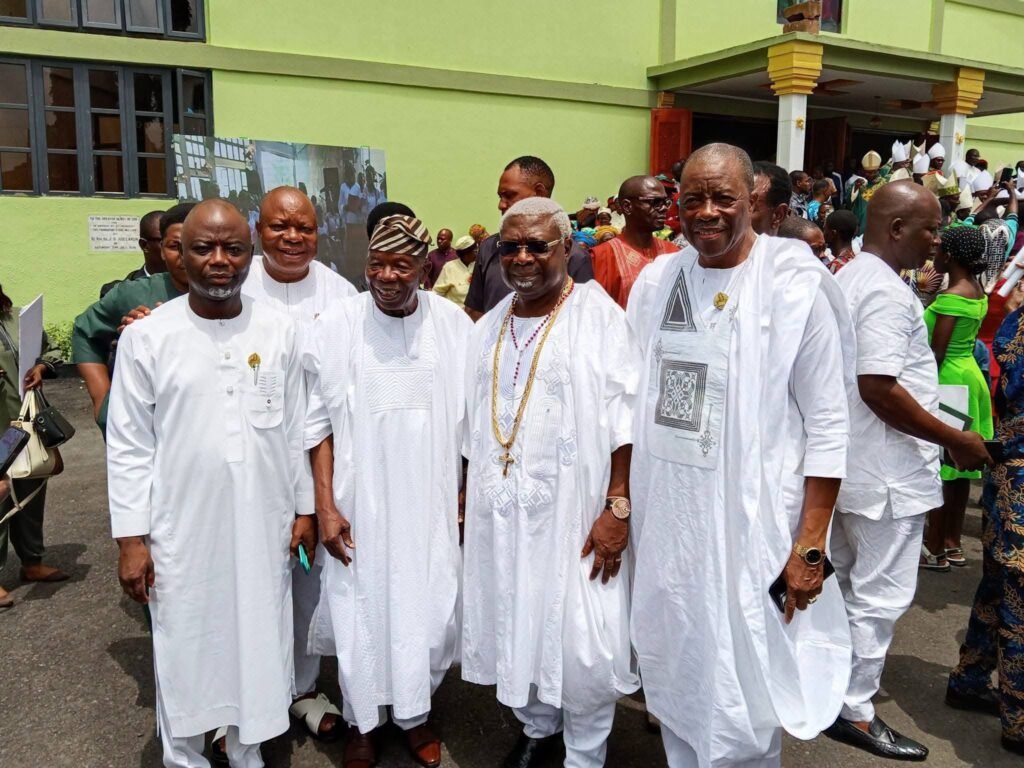
The allegations go deeper than poor mobilization. Some APC stakeholders claim that in the months leading to the election, Omisore was maintaining unofficial contact with the Adeleke administration. They point to his appearances at government-related functions and his generally measured public statements as evidence that he was not fully committed to the APC campaign. In a tightly contested race, even the perception of divided loyalty can demoralize party workers. The most damaging accusation is that Omisore helped to calm internal dissent within APC, urging party members to “stay united” behind the candidate, but without backing that call with the grassroots work needed to turn it into votes. To his accusers, that made him look like a man playing both sides.
Omisore’s camp has dismissed all of this as post-election frustration. They argue that blaming one man for a statewide defeat is unfair, and that structural issues, voter apathy, and the power of incumbency were the real factors. But Omisore himself has not offered a detailed public defense, and in politics silence is often filled in by speculation. Right now, the perception in many APC wards is that he was either unwilling or unable to deliver, and that perception is hardening.
That perception matters a lot for Omisore’s own future. He remains a big name — former Deputy Governor, former Senator, former APC National Secretary. He still has respect in Ifeland and among Yoruba elders. But party politics runs on trust at the grassroots, and that trust has been dented. Younger APC members in Osun are asking why they should follow a leader who could not secure his own zone when it mattered most. At the same time, getting too close to the Adeleke government is risky for him. The PDP already has Prince Adewusi as Deputy Governor, and there is not much political space for two major Ife leaders in one administration. If Omisore is seen as drifting toward the government without a clear role, he risks ending up politically stranded — not fully trusted by APC, and not fully absorbed by PDP. His only real path back is to re-engage APC structures quickly, reconcile with aggrieved members, and prove his value ahead of 2027. But the clock is ticking.
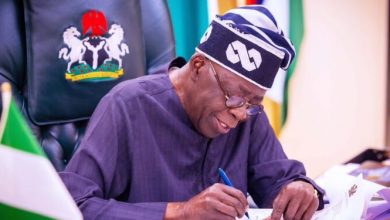
The implications extend beyond Omisore. President Bola Ahmed Tinubu will need a solid Southwest in 2027, and Osun is a state he has now lost twice — in the 2023 presidential and the 2026 governorship. Omisore was one of the leaders Tinubu’s team counted on to hold APC together in Osun. If the narrative that he underperformed or hedged his bets sticks, it weakens the president’s structure in the state and sends a signal to other Southwest leaders that APC cannot manage its own. Opposition parties will also use images like the one from Popo, where Omisore sat with Adeleke’s Deputy Governor, to push the argument that APC in Osun is broken and that even its own leaders are comfortable with the government in power. In an election year, that kind of optics is costly.
For Tinubu’s political team, the Osun problem can no longer be ignored. They either have to bring Omisore back into the fold with a clear assignment and public show of unity, or they have to elevate new faces in Ife and Osun Central who can rebuild the party from the ward level up. Doing nothing means risking a repeat of 2026 in 2027, and a third straight loss in Osun under this presidency would be a serious dent to APC’s Southwest calculations.
What the CBCN event showed is that in Osun, there is no such thing as a neutral public appearance anymore. Every gathering is read for political meaning. The Bishops spoke about peace and credible elections, but the real conversation outside the church was about loyalty, betrayal, and 2027. For Senator Omisore, the allegations may never be fully proven in a court, but in politics, perception can be just as powerful. And for President Tinubu and APC, Osun has moved from being a state problem to a national warning sign. How they handle Omisore and the fallout in the next few months may determine whether APC can still compete credibly in Osun when the next big election comes.