By Victoria Frances
THE heads of the International Monetary Fund (IMF), the World Bank Group (WBG) and the World Food Programme (WFP) have stated that the Middle East war “will inevitably lead to rising food prices and food insecurity.”
They said that the burden will fall most heavily on the world’s most vulnerable populations, particularly in low‑income, import‑dependent economies.
They made this known in a joint statement issued on Wednesday, April 8, after their meeting in Washington DC, US, to discuss the global economic and food security impacts of the war in the Middle East.
The statement, which was made available to Realnews via email, said that “the Middle East war is upending lives and livelihoods in the region and beyond.”
It stated that the war “has already triggered one of the largest disruptions to global energy markets in modern history. Sharp increases in oil, gas, and fertilizer prices, together with transport bottlenecks, will inevitably lead to rising food prices and food insecurity.
“The burden will fall most heavily on the world’s most vulnerable populations, particularly in low‑income, import‑dependent economies. Spikes in fuel prices and potential sharp increases in food prices are especially concerning where fiscal space is constrained and debt burdens are already high, reducing governments’ ability to protect vulnerable households.”
According to them, “Our institutions will continue to monitor developments closely and coordinate the use of all available tools to support those impacted by the crisis.
“In accordance with our respective mandates, and building on existing response mechanisms, we will provide support to safeguard lives and livelihoods, and to lay the foundations for a resilient recovery that delivers stability, growth and jobs.”
The IMF is a global organization that works to support economic growth and prosperity for all of its 191 member countries. It does so by supporting economic policies that promote financial stability and monetary cooperation, which are essential to increase productivity, job creation, and economic well-being. The IMF is governed by and accountable to its member countries.
The World Bank Group works to create a world free of poverty on a livable planet through a combination of financing, knowledge, and expertise. It consists of the World Bank, including the International Bank for Reconstruction and Development (IBRD) and the International Development Association (IDA); the International Finance Corporation (IFC); the Multilateral Investment Guarantee Agency (MIGA); and the International Centre for Settlement of Investment Disputes (ICSID).
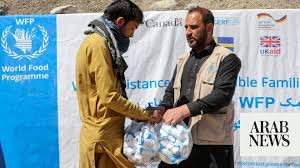
Also, the United Nations World Food Programme is the world’s largest humanitarian organization saving lives in emergencies and using food assistance to build a pathway to peace, stability and prosperity for people recovering from conflict, disasters and recurring shocks.