First HoldCo’s N253bn Mandate: From Compliance to Ambition as Otedola Eyes N1tn Capital Crown

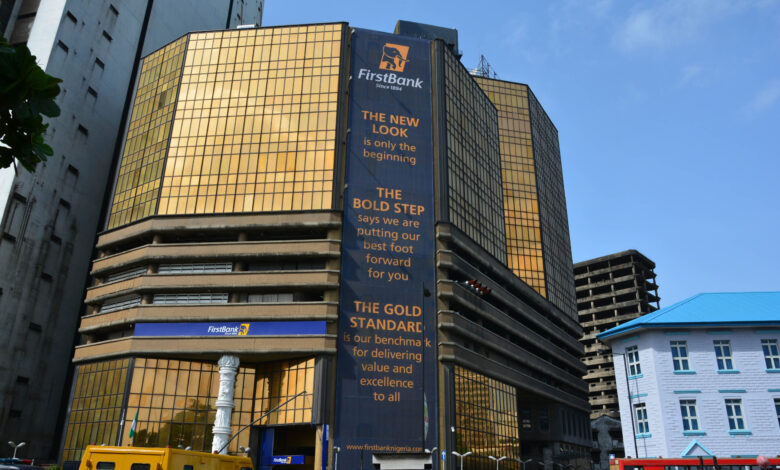
Shareholders of First HoldCo Plc rewrote the group’s capital playbook at the 14th AGM on May 29, 2026; the approved N253.10bn capital raise is no longer a box-ticking exercise for regulators, because Chairman Olufemi Otedola has dragged the conversation into new territory. First Bank already cleared, and exceeded, the Central Bank’s N500bn minimum for international banks, so this fresh mandate isn’t about staying alive. It’s about taking the lead. Otedola is chasing a N1tn paid-up capital base and framing it as a marker of leadership, not adequacy; that distinction changes everything. The raise is offensive, not defensive. It’s a deliberate push to build a trillion-naira equity buffer that puts clear daylight between First HoldCo and its rivals, because in a sector where everyone can claim solvency, scale is now the real moat.
Consequently, the resolution gives the board sweeping flexibility, because the N253.10bn can be raised through one or more transactions via public offerings, private placements, rights issues, bonus issues, scrip dividends, or other equity instruments in Nigerian and international markets, with pricing to be determined through book-building or other valuation methods, and execution in tranches at directors’ discretion subject to regulatory approval. That open-ended structure favors the issuer, since it allows First HoldCo to time the market, choose the cheapest window, and tailor each slice to investor appetite, yet it leaves minority shareholders with unresolved questions around dilution, entry price, and sequencing until each tranche is announced, which is why the market will judge this mandate not by its size but by its execution.
Moreover, the timing is telling, because the approval comes after a demanding FY 2025 and positions the group for its next phase of growth, yet the real test begins now, since raising capital is easier than deploying it at returns that beat the cost of equity, and with Otedola publicly tying the raise to a N1tn vision, investors will benchmark success against two metrics: how efficiently the fresh equity is put to work in risk assets, digital infrastructure, and regional expansion, and how the structure protects existing holders from value leakage. The special resolutions passed at the AGM underline this, since they authorize not only the raise and potential underwriting, but also an increase in share capital, amendments to the memorandum and articles, and listings on the NGX or other exchanges, giving the board a blank cheque to reshape the capital structure as it sees fit.
At the same time, the governance backdrop reinforces continuity, because the AGM also re-elected Otedola and Dr Abiodun Fatade as Non-Executive Directors, retained KPMG as external auditors, and constituted the Statutory Audit Committee for 2026, signaling boardroom stability as the group embarks on what could be one of the largest equity raises by a Nigerian financial institution. Therefore, the N253.10bn approval should be read as the first institutional step toward Otedola’s N1tn ambition, yet it also transfers pressure to management, since shareholders have now given management the tools and the trust, and the next disclosure that matters will not be another resolution but the terms of tranche one.
For the market, the interpretative lens is clear: First HoldCo is no longer playing regulatory catch-up but attempting to set the capital bar for Nigerian banking, and if the book-building delivers competitive pricing, if dilution is managed, and if the N1tn base translates into higher ROE, NIM expansion, and continental relevance, then this AGM will be remembered as the day the group moved from legacy bank to capital leader; if not, it risks being another well-funded promise in a sector where capital without returns is just expensive comfort.