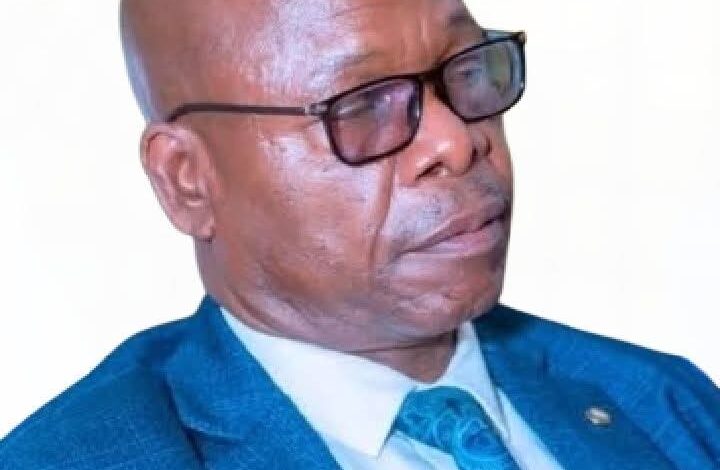
The Economic and Financial Crimes Commission has reinvited Osun State Accountant-General Rasheed Olalere Alabi over allegations tied to a N30 billion contract for the reconstruction of the Osogbo City Stadium. The invitation, scheduled for Monday, marks a new phase in the commission’s investigation into financial conduct within the Ademola Adeleke administration.
According to sources familiar with the matter, the contract was awarded without approval from the State Executive Council. That detail is central to the case because state procurement rules require executive council sign-off for contracts of that scale. Investigators are also examining the circumstances of the award to Monimichelle Sports Facility Construction Company, the same firm that handled the sports complex at Adeleke University in Ede. The focus is whether due process and competitive bidding requirements were followed.
This is not an isolated inquiry. The EFCC has already questioned and reportedly detained senior officials in recent months. Chief of Staff Kazeem Akinleye was questioned over allegations linked to a payroll fraud involving Sally Tibbot, a tax audit firm that claimed the state paid N13.7 billion annually to ghost workers since 2023, totaling over N40 billion in three years. Investigators are also probing the management of N12 billion in ecological funds, and the handling of over N100 billion in local government allocations and TETFund projects. Some of those projects are allegedly linked to Akinkas Interbiz Limited, a company associated with Akinleye.
The widening scope has created unease within the Osun government. Sources say anxiety is growing that the investigation could extend to individuals with close ties to Governor Adeleke, including his sister Dupe Adeleke-Sanni and his brother, businessman Deji Adeleke. Political observers allege both wield significant influence in the administration, though no charges or formal allegations have been made against them as of now.
Neither the Osun State Government nor the EFCC had issued an official statement at the time of reporting. Without formal charges or a public response, the case remains at the investigative stage.
Why it matters
The case touches on three recurring issues in Nigerian public finance: procurement compliance, payroll integrity, and the handling of federal transfers to states and local governments. If the EFCC establishes that the stadium contract bypassed executive council approval, it would point to a breakdown in internal controls that procurement laws are meant to prevent. The ghost worker allegation raises separate questions about payroll audits and the effectiveness of existing verification systems. And the scrutiny of local government allocations and TETFund projects highlights ongoing concerns about how funds meant for sub-national governance and education are tracked and applied.
For the Adeleke administration, the investigation is both a legal and political test. Legally, the administration will need to show documentation and decision trails that demonstrate compliance with procurement and financial regulations. Politically, the perception of how it handles the inquiry will shape public trust, especially given the high-profile nature of the projects and individuals involved.
The next step will depend on what evidence the EFCC presents after Monday’s meeting with the Accountant-General and whether the commission moves from invitation to formal charges. Until then, the case remains a developing example of how anti-corruption agencies are pursuing accountability at the state level, and how allegations around procurement and payroll continue to surface in sub-national governance.
Do you want me to track how this case develops and summarize the official responses once they’re released?