

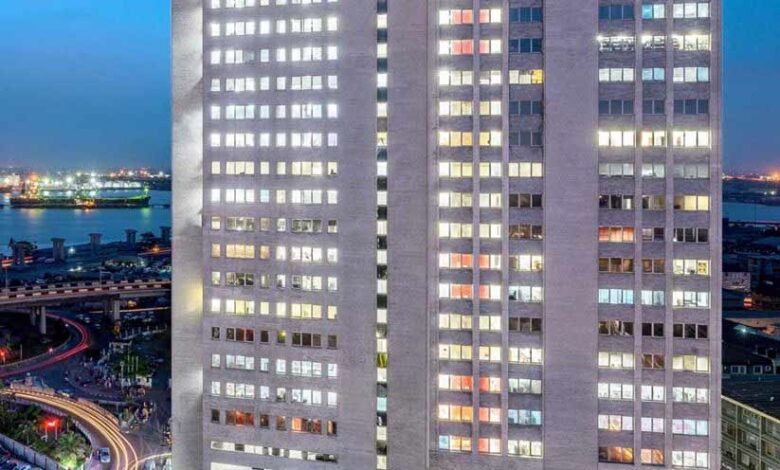
In February 2007, UBA was the stock everyone wanted to own. It hit ₦37.99 on February 6, just before a technical suspension for a major share offer. The bank was riding the wave of Nigeria’s pre-crisis bubble, backed by FY2007 results that showed profit after tax up 86 percent to ₦21.5bn, assets up 35 percent to ₦1.2trn, and loans growing 192 percent. The offer came at ₦34, a discount to the prevailing market price, and investors believed they were buying into Africa’s next banking champion at a bargain. Seventeen years later, that bargain looks like a trap. UBA closed 2024 at ₦33.95, meaning a shareholder who invested ₦500,000 at ₦34 still held roughly ₦500,000 in nominal terms. Inflation over the period multiplied nearly tenfold, so the real loss is close to 90 percent. The promise of growth was delivered on the balance sheet, but not in shareholder value.
The contrast is stark: while shareholders endured 17 years of stagnation and a brutal real loss, UBA walked away with ₦54bn in fresh capital from the 2007 IPO and put it to work growing the bank, not their wealth. That ₦54bn funded the Pan-African expansion, balance sheet growth, and profit base that let the institution survive the 2008 crash and re-rate after 2020. For UBA, the offer was a strategic win that secured scale and resilience. For the investor who paid ₦34, it was a 17-year trap where ₦500,000 stayed ₦500,000 in nominal terms while inflation wiped out nearly 90% of its value. The bank turned shareholder cash into assets, branches, and profits. The shareholders got dilution, sideways pricing, and a return to break-even in naira terms that meant a massive loss in purchasing power. It’s the clearest example of how a company can thrive on capital raised from investors who never see the payoff.
The ordeal started immediately after the offer. The 2008 global financial crisis and Nigeria’s domestic banking crisis wiped out the bubble. From a peak near ₦38, UBA fell below ₦10 within months and sank into the low single digits by 2012. The collapse was brutal, but what followed was worse in its own way. Between 2012 and 2019 the stock drifted between ₦3 and ₦9, moving sideways while inflation and naira devaluation eroded purchasing power. UBA was paying dividends, but yields were compensation for risk and stagnation, not a substitute for capital appreciation. Rights issues in 2015 gave investors a chance to average down, but they also diluted holders who could not participate. For anyone who stayed in from 2007, the next decade was a holding pattern where time and opportunity cost became the real losses.
The reason the stock stayed depressed lies in the fundamentals. Share prices follow fundamentals over the long run, and UBA’s did not keep pace with Zenith and GTCO. Between 2010 and 2019 those peers consistently posted return on average equity in the high teens and low 20s, while UBA lagged due to higher cost-to-income ratios and heavier exposure to foreign exchange and loan impairment risk from aggressive Pan-African expansion. The bank grew assets and presence, but not returns per share. The market noticed and priced UBA as a yield play rather than a growth story. A bank that grows assets without improving margins or asset quality becomes a low-return utility, and that is how UBA traded for most of the 2010s.
The rally from 2020 to 2024 masked the underlying weakness. Between December 2019 and December 2024 UBA posted a 374.83 percent capital gain, but it started from ₦7.15 and was driven by high interest rates and trading income rather than a step change in core lending. The 2025 results confirmed the pattern. When forbearance ended and FX windfalls reversed, profit after tax fell 47 percent to ₦404bn, the second-worst drop among the big five banks. Loan impairment charges surged and operating expenses rose 70.8 percent. A bank with stronger fundamentals does not fall this far when one-off gains disappear. The same weakness that kept the stock depressed for 15 years reappeared the moment the cycle turned.
Comparing UBA to its peers makes the ordeal clearer. Zenith and GTCO surpassed their pre-2008 highs years earlier and delivered real returns to long-term holders. Access posted stronger capital gains from 2020 onward despite its own expansion risks. UBA’s 375 percent gain from 2019 to 2024 looks impressive only because it started from a depressed base. It was a re-rating from mispricing, not a reward for superior performance. For the shareholder who bought at ₦34 in 2007, the math is brutal. ₦500,000 bought 14,705 shares. At ₦33.95 in 2024, that stake was worth ₦499,000. In a country where CPI rose roughly tenfold, that ₦500,000 had the purchasing power of close to ₦5m in 2024.
The agony is that shareholders were not being tested for patience. They were penalized for paying a bubble price in 2007 for a bank whose fundamentals could not justify it, and for holding a stock that grew assets and presence without growing returns per share. In a high-inflation, volatile market like Nigeria’s, size and footprint do not matter if margins, asset quality, and returns lag. Buying a big bank at a bad price can turn you into a forced holder with time as the only return. For UBA shareholders who took up the 2007 offer, that was the cost. The promise of Africa’s bank became a 17-year ordeal, and the facts and figures show why.