

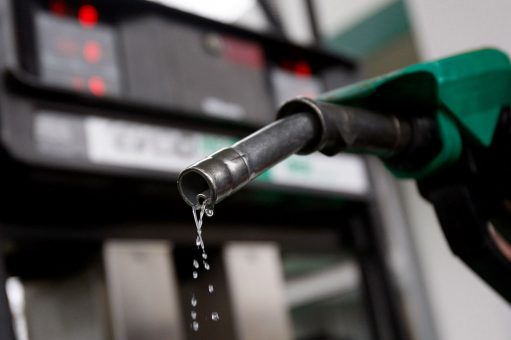
Food prices in Lagos markets have skyrocketed in March 2026, driven by a surge in petrol costs that has sent transportation and logistics expenses soaring. According to a Nairametrics Research physical market survey, 43 out of 68 tracked food items recorded price increases, with staples like pepper, beans, tomatoes, and fish leading the charge 🌟. The survey reveals that the rising fuel costs, coupled with seasonal scarcity and supply chain disruptions, have pushed prices to alarming levels.
The impact is evident in the numbers: pepper prices have jumped by over 140%, with a medium bag costing N80,000, up from N32,000 in February; beans have risen by 70%, with a 50kg bag now costing N85,500; and tomatoes are up by 50%, with big baskets selling for N60,000. Traders and consumers alike are feeling the pinch, with many attributing the surge to the rising cost of transportation. “The cost of moving goods from the North has gone up significantly,” says a transporter at Mile 12 market ⚠️.
The situation is dire, with food inflation already a major concern, contributing 12.12% to headline inflation in February 2026. The Lagos market, being a consumption-driven economy, is particularly vulnerable to such shocks. As prices continue to rise, traders are caught between passing on the costs to consumers and risking a decline in sales. “If we increase food prices too much, customers will stop buying,” says Tutu, a food vendor in Mushin 😔.
The development has sparked concerns about the broader implications for food security and inflation. With petrol prices showing no signs of abating, the pressure on food prices is likely to persist. Market participants are calling for interventions to ease the logistics bottleneck and stabilize prices. As Bro James, a shopper in Oyingbo market, puts it, “It’s becoming difficult to keep up”
The surge in food prices across major Lagos markets in March 2026 has become a significant concern for households. The increase in petrol costs has led to higher transportation expenses, which in turn has driven up the prices of staple commodities. This has deepened the pressure on household budgets, making it challenging for families to afford basic necessities ¹.
Fuel Price Hike: A Catalyst for Inflation
The recent hike in fuel prices has been a major contributor to the rising food prices. The increase in pump prices from N875 to N960 per litre has cascaded through the supply chain, inflating the cost of moving goods, particularly from northern farming belts into Lagos. This has had an immediate impact on traders, who have had to adjust retail prices to cope with the increased costs ¹.
Transportation Costs: A Significant Factor
Higher fuel costs have led to increased transportation expenses, affecting the supply chain and driving up food prices. Lagos’ heavy dependence on food transported from other regions makes it particularly vulnerable to such disruptions. Traders and transporters have attributed the surge in food prices to rising transportation costs linked to higher fuel prices ¹ ².
Seasonal Scarcity: Exacerbating the Situation
Seasonal scarcity has also played a role in the price increases, particularly for staples like tomatoes and pepper. Reduced supply inflows from northern production hubs have compounded the impact of rising haulage expenses, leading to significant price jumps ¹.
Inflationary Pressures: A Concern
The latest figures suggest that inflationary pressures are far from easing. Headline inflation stood at 15.06% in February 2026, with food inflation rising to 12.12% from 8.89% in January. The March surge in market prices indicates that underlying risks remain elevated ¹.
Impact on Households: A Struggle to Cope
The rising food prices have had a significant impact on households, with consumers struggling to cope with the increased costs. Many have had to adjust their feeding patterns, opting for cheaper alternatives and reducing their consumption ³.
Logistics Challenges: A Persistent Issue
Logistics challenges have also contributed to the surge in food prices. Market participants have highlighted the difficulties in maintaining sales and avoiding losses due to rising transportation costs ¹.
Food Security Concerns: A Looming Threat
The situation raises concerns about food security and the potential for further price instability in the near term. With fuel prices remaining volatile and supply chains still exposed to external shocks, market participants warn that food price instability may persist ¹.
Limited Price Stability: A Few Bright Spots
While some items have recorded price declines, mainly within grains and wheat-based products, these reductions have been relatively mild and insufficient to offset the broader surge in food prices ¹.