Naira’s New Momentum: Nigeria’s Economic Resurgence Signals a Brighter Future

The Nigerian economy is experiencing a significant turnaround, marked by a strengthening Naira and improved economic indicators. Yesterday’s exchange rate of ₦1386 to $1 is a testament to the country’s growing economic stability, coming on the heels of Nigeria’s emergence as the sixth-largest contributor to global GDP growth in 2025.
This impressive performance is underscored by notable achievements in reducing inflation and improving income equality. The inflation rate has dropped from a thirty-year high of 34.8% in December 2024 to a historic low of 15.2% in December 2025, indicating effective monetary policies and improved economic management. Nigeria’s income inequality has also improved, with a Gini coefficient of 33.9%, better than the US and China.
The Nigerian Stock Exchange has also witnessed remarkable growth, crossing the ₦100 trillion market capitalization mark for the first time on January 5, 2026. This milestone reflects growing investor confidence in Nigeria’s economic prospects.
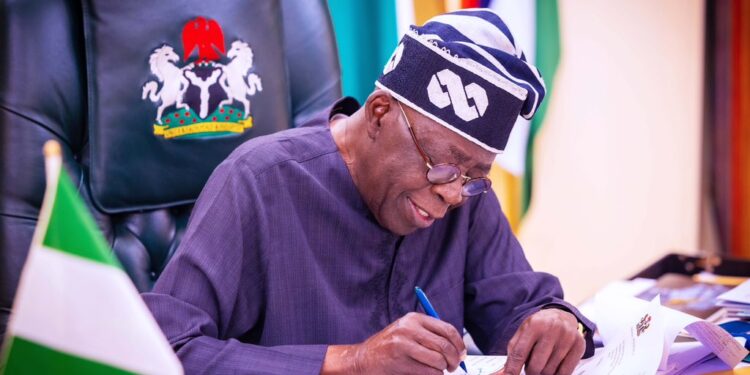
The current administration’s efforts to drive growth and stability are yielding results. President Tinubu’s leadership has added $67 billion to Nigeria’s GDP in less than two years, expanding the economy from ₦269.29 trillion to ₦372.8 trillion.
As Nigeria navigates its economic resurgence, questions arise about the sustainability of this momentum. Will the current administration’s policies continue to drive growth and stability? How will Nigeria leverage its newfound economic clippancy to address pressing challenges like poverty and infrastructure gaps?
One thing is certain: Nigeria’s economic trajectory is shifting, and stakeholders must adapt to this new reality. As the country looks towards 2027, the electorate will weigh the current administration’s achievements against competing visions for Nigeria’s future.
The Naira’s new momentum has implications for Nigeria’s economic prospects. A stable currency can attract foreign investment, boost trade, and improve purchasing power. However, it also requires careful management to avoid potential risks like decreased competitiveness.
As Nigeria navigates this new era of economic stability and growth, it is crucial to prioritize inclusive development, address pressing challenges, and leverage opportunities to ensure a brighter future for all Nigerians.