
Banking on Stability, Growth, and a Brighter Future, CBN Lowers MPR to 26.5%

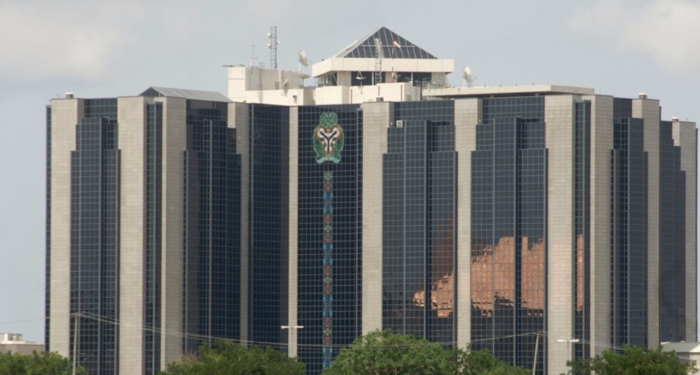
The Central Bank of Nigeria’s decision to reduce the Monetary Policy Rate to 26.5% marks a pivotal moment in the country’s economic journey, as it navigates the delicate balance between stability and growth.The Cash Reserve Requirement (CRR) remains unchanged at 45% for Deposit Money Banks, 16% for Merchant Banks, and 75% for non-TSA public sector deposits, indicating the CBN’s continued cautious approach to liquidity management. The Standing Facilities Corridor is also retained at +50/-450 basis points around the MPR, providing a framework for banks to manage their liquidity needs.
With inflation on a downward trend and external reserves at a 13-year high, the stage is set for a more robust and diversified economy. As lower borrowing costs and improved access to credit stimulate investment and consumption, citizens can expect improved purchasing power and a more stable cost of living. Moreover, with the CBN’s commitment to evidence-based decision-making and financial system resilience, Nigeria is poised to unlock new opportunities for sustainable growth and development, making this a defining moment in the nation’s economic trajectory.
This decision is a testament to the Central Bank of Nigeria’s Monetary Policy Committee’s cautious yet proactive approach to monetary policy, having reduced the Monetary Policy Rate (MPR) by 50 basis points to 26.5%. Consequently, this reflects a balanced evaluation of risks, considering both the ongoing disinflation trajectory and the need to support economic growth, thereby setting the stage for a brighter economic future
The inflation outlook is encouraging, with headline inflation easing to 15.10% in January 2026, marking the eleventh consecutive month of decline. This downward trend is driven by improved food supply, sustained exchange rate stability, and favourable base effects. The Committee is optimistic that this momentum will continue, supported by the lagged impact of previous monetary tightening and stability in the foreign exchange market.
The external sector is also showing signs of strength, with gross external reserves rising significantly to US$50.45 billion as of February 16, 2026, the highest in thirteen years. This provides an import cover of 9.68 months for goods and services, bolstering investor confidence and supporting economic growth.
The banking sector remains resilient, with most key financial soundness indicators within regulatory thresholds. The Committee notes the progress in the recapitalization programme, with twenty banks having met the new minimum capital requirement. This reinforces financial system stability and enhances the sector’s capacity to support sustainable economic growth.
However, the Committee acknowledges potential upside risks to inflation from increased fiscal releases and election-related spending. This could pose a challenge to the disinflation trajectory and underscores the need for continued vigilance.
Global economic activities are projected to strengthen in 2026, driven by progress in trade negotiations and increased investment in Artificial Intelligence-related technology. However, significant headwinds remain, including rising protectionism and divergent pace of disinflation across several economies.
Implications
The Monetary Policy Committee’s decision to reduce the MPR by 50 basis points is expected to have a positive impact on citizens, as it could lead to lower borrowing costs and increased access to credit. This, in turn, may boost consumer spending and economic activity, ultimately improving the overall welfare of individuals and households. However, it’s also possible that the decrease in interest rates could lead to lower returns on savings, potentially affecting individuals who rely on interest income.
The policy decision is also likely to support national development, as lower interest rates can stimulate investment and consumption. Improved macroeconomic conditions, including stability in the foreign exchange market and robust capital inflows, can attract more investments and boost economic development. The focus on financial system resilience and recapitalization is a welcome development, as it can enhance the banking sector’s capacity to support sustainable economic growth.
The decision aligns with the CBN’s core mandate of ensuring price stability, as the Committee believes the current momentum of disinflation will continue. The policy decision also supports the CBN’s objective of promoting economic growth and development, as lower interest rates can stimulate economic activity. The Committee’s commitment to an evidence-based policy framework ensures that decisions are guided by data and analysis, rather than speculation or short-term gains.
However, there are potential risks to consider. Increased fiscal releases and election-related spending could pose upside risks to inflation, potentially undermining the disinflation trajectory. This highlights the need for continued vigilance and careful management of fiscal policy to ensure that it supports the CBN’s objectives.
The global economic outlook is also subject to significant headwinds, including rising protectionism and trade disputes, which could impact Nigeria’s economy. The CBN will need to continue monitoring global developments closely and adjust its policy stance as needed to mitigate any potential risks.
Future Outlook
The Monetary Policy Committee’s decision to reduce the MPR by 50 basis points sets the stage for a promising future. The outlook indicates a continued disinflation trajectory, driven by sustained stability in the foreign exchange market and improved food supply. This paves the way for a more stable and predictable economic environment, conducive to growth and investment. As the economy continues to stabilize, citizens can expect improved purchasing power and a more stable cost of living.
The expected outcomes of this policy decision are multifaceted. A continued decline in inflation will enhance purchasing power and economic stability, allowing individuals and businesses to plan for the future with greater confidence. Lower borrowing costs and improved access to credit will drive economic activity, supporting businesses and entrepreneurs. Further stability in the foreign exchange market will support trade and investment, making it easier for businesses to access the inputs they need to grow.
In the medium-to-long term, Nigeria’s economy is poised to become more robust and diversified, less vulnerable to external shocks. Improved investor confidence, driven by stability and predictability, will attract more investment and drive growth. The financial system is expected to become more resilient, underpinned by the ongoing recapitalization programme, which will enhance the sector’s capacity to support sustainable economic growth.
The CBN’s commitment to an evidence-based policy framework ensures a clear and consistent approach to monetary policy. This approach will help to build trust and credibility, making it easier for businesses and individuals to make long-term plans. The ongoing recapitalization programme is a welcome development, as it will reinforce financial system resilience and enhance the sector’s capacity to support sustainable economic growth.
The Presidential Executive Order 09 is another positive development, with potential to improve fiscal revenue and accretion to reserves. This will provide a boost to the government’s finances, allowing it to invest in key sectors and drive growth. The CBN’s focus on financial inclusion and digital payments is also expected to drive innovation and financial deepening, making it easier for businesses and individuals to access financial services.
However, there are potential risks to consider. Increased fiscal releases and election-related spending could pose upside risks to inflation, potentially undermining the disinflation trajectory. The CBN will need to continue to monitor developments closely and adjust its policy stance as needed to mitigate any potential risks.
The policy decision reflects a balanced approach to monetary policy, considering both the need to support economic growth and the importance of maintaining price stability. The CBN’s commitment to its mandate and evidence-based decision-making provides a framework for navigating the challenges and opportunities ahead.
Overall, the outlook is cautiously optimistic, with the Committee committed to an evidence-based policy framework that prioritizes price stability and financial system resilience. The reduction in MPR is expected to support economic growth, but the Committee remains vigilant to potential inflationary pressures and will continue to monitor developments closely.